China has issued a stern warning to Panama following a controversial court ruling against CK Hutchison, a major Hong Kong-based company, concerning its operations at the Panama Canal ports. The dispute revolves around a legal decision that challenges CK Hutchison’s concessions and management rights of crucial port facilities in Panama, a key hub for international maritime trade.
The Chinese government described the ruling as both “absurd” and “shameful,” emphasizing the potential negative impacts on foreign investment and bilateral relations. Officials from Beijing expressed deep dissatisfaction, highlighting that such legal actions could undermine trust and cooperation between China, Hong Kong businesses, and Panama.
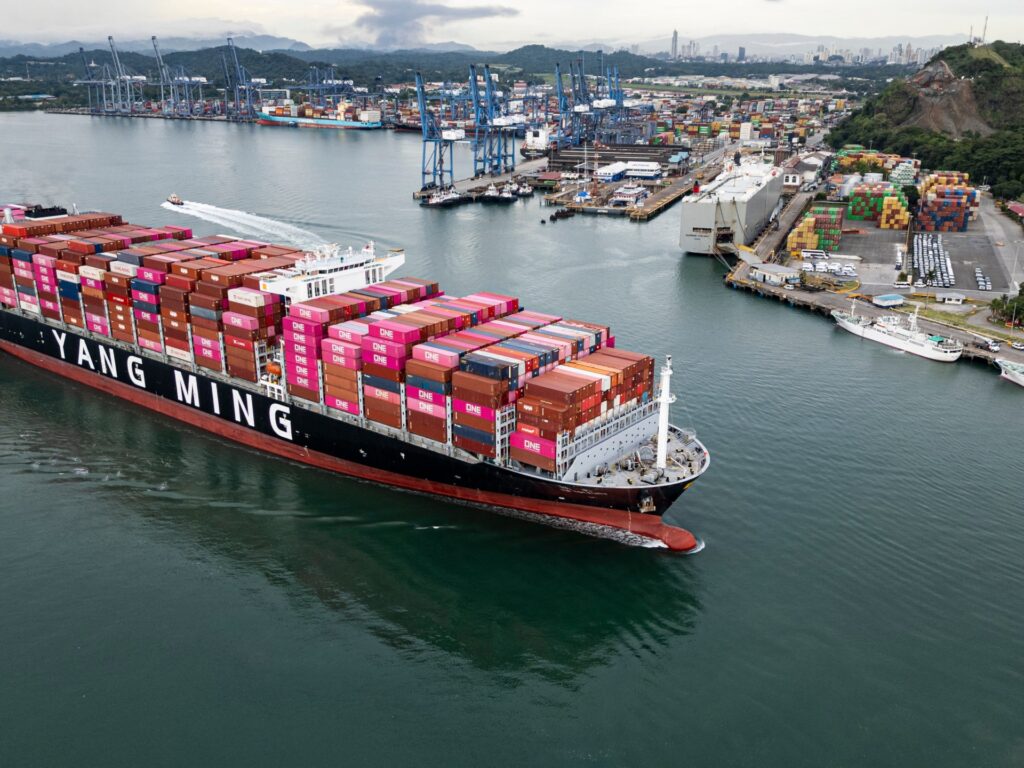
CK Hutchison Holdings, part of one of Hong Kong’s largest conglomerates, operates significant port assets in Panama, granting it strategic control over operations in a critical global maritime corridor. The Panama Canal is pivotal to international shipping, connecting the Atlantic and Pacific Oceans and facilitating the passage of thousands of vessels annually.
The court ruling reportedly questioned the legality of certain agreements and concessions granted to CK Hutchison, potentially putting the company’s operational rights in jeopardy. The legal challenge has triggered concerns over the stability and security of foreign investments in Panama, potentially affecting the wider business climate for international companies operating within the country.
Representatives from CK Hutchison have contested the verdict, vowing to appeal and defend their legitimate rights vigorously. The firm maintains that it has complied fully with Panama’s laws and contractual obligations and that the ruling lacks a sound legal basis.
Experts warn that this dispute could have broader geopolitical ramifications, potentially straining Panama’s relations not only with China and Hong Kong but also affecting global shipping lanes and international trade partnerships. The Panama Canal’s operational reliability is crucial for global economic stability, making this dispute particularly significant.
China’s reaction underscores the importance it places on protecting its overseas investments and maintaining strong ties with partner countries. The government has urged Panama to reconsider the ruling and engage in constructive dialogue to resolve the matter amicably.
This incident highlights the growing complexities and challenges faced by multinational enterprises operating in sensitive sectors such as logistics and infrastructure management, especially in politically and economically significant regions like the Panama Canal.
Panama’s government now faces the delicate task of balancing its judicial independence with the need to maintain favorable international relations and investor confidence. The outcome of this legal battle is eagerly watched by many stakeholders in the global trading community.
As the situation unfolds, industry observers continue to monitor the potential impact on shipping costs, supply chain dynamics, and the broader geopolitical implications stemming from disputes involving key transit points like the Panama Canal. The resolution of this case could set precedents for future foreign investment policies and the management of critical infrastructure worldwide.