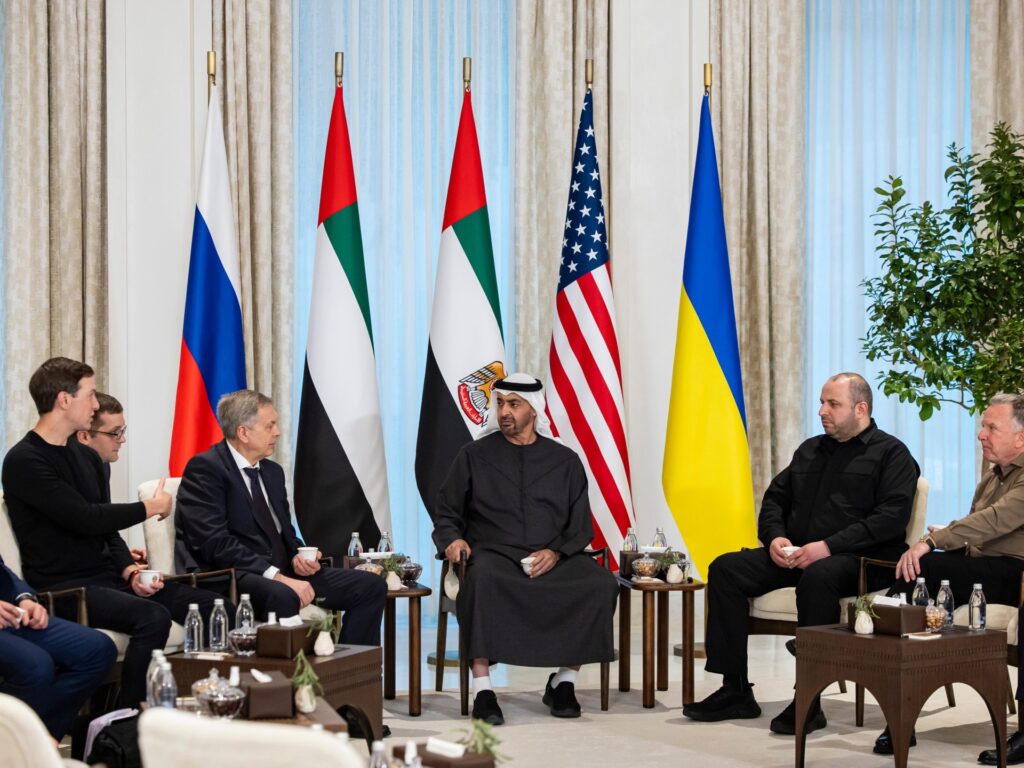
The ongoing conflict between Russia and Ukraine has entered a critical phase as the second round of peace talks is set to begin in Abu Dhabi. These discussions come after the initial round failed to resolve the core issues, most notably the contentious fate of territories in eastern Ukraine.
The Russia-Ukraine war, which erupted in early 2022, has claimed thousands of lives and displaced millions. Despite several international efforts to broker peace, a durable agreement remains elusive. The recent scheduled talks aim to bridge gaps and find common ground between the two sides.
A key hurdle remains the question of control and governance over eastern Ukraine, a region that has seen intense fighting and political turmoil since 2014. The territory’s long-term status presents a major sticking point in negotiations, reflecting competing national interests and deep-seated historical grievances.
Both parties have expressed cautious optimism about the upcoming discussions, signaling a readiness to engage constructively. The choice of Abu Dhabi as the venue underscores the growing role of neutral international actors in facilitating dialogue.
Experts note that while immediate cessation of hostilities may not be guaranteed, these talks represent a step towards de-escalation and peacebuilding. Observers emphasize the importance of sustained diplomatic engagement and support from the international community.
The talks are expected to address a range of issues, including ceasefire terms, humanitarian access, and security arrangements. The complexity of the situation demands meticulous negotiation, with the hope that Abu Dhabi can provide a conducive environment for meaningful progress.
As the world watches closely, the outcome of this round of peace talks will significantly influence the future of eastern Ukraine and the broader geopolitical stability of the region. Success in these negotiations could pave the way for further dialogue and eventual resolution of the conflict that has profoundly affected millions.