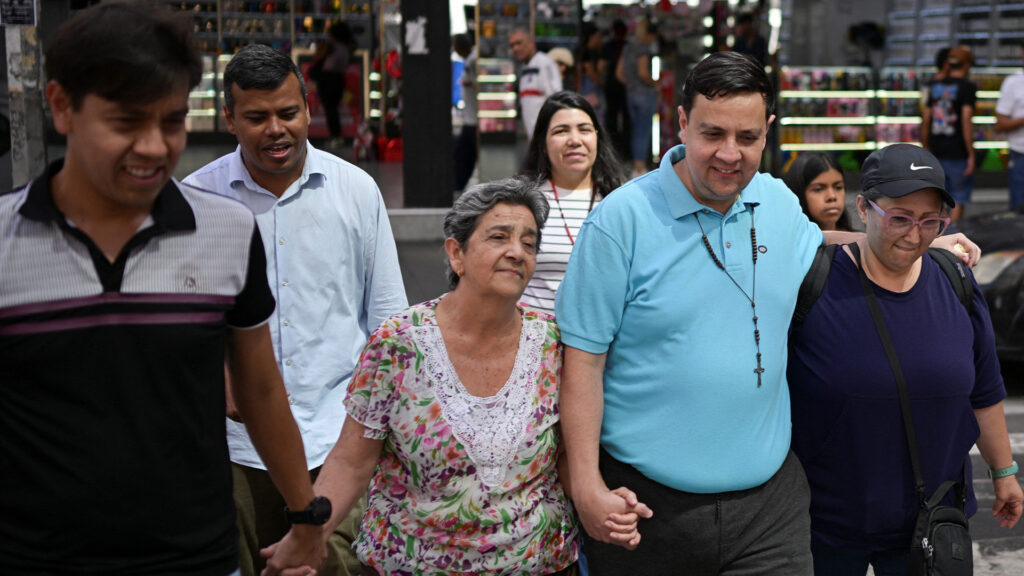
Javier Tarazona, a prominent Venezuelan human rights activist, has been released after spending more than four years in detention. This development follows a recent amnesty announcement, which has paved the way for the liberation of several political prisoners and activists in Venezuela.
Tarazona, known for his unwavering dedication to advocating for human rights in Venezuela, was detained over four years ago under circumstances that sparked international concern and condemnation. His imprisonment had drawn widespread attention from global human rights organizations, which called repeatedly for his release, citing violations of his fundamental rights.
The amnesty, announced by Venezuelan authorities, aims to ease political tensions within the country and promote national reconciliation. It signifies a shift in the government’s approach towards dissent and political opposition. While the details of the amnesty’s scope remain to be fully clarified, Tarazona’s release is viewed as a positive step by many observers.
During his detention, Tarazona continued to symbolize the struggle for justice and human rights amidst a challenging political environment marked by restrictions on freedoms. His activism has been crucial in documenting cases of human rights abuses and providing a voice for marginalized communities within Venezuela.
The announcement of the amnesty and the subsequent release of Tarazona have been met with relief and hope by various sectors, including international diplomatic entities, non-governmental organizations, and Venezuelan civil society. They see this development as potentially opening the door to further dialogue and democratic reforms in the country.
However, human rights advocates emphasize that the journey toward full respect for rights and freedoms in Venezuela remains ongoing. They urge the government to take substantive measures to protect activists and political prisoners and to ensure an environment where human rights can be freely exercised.
Tarazona’s release also raises awareness about the plight of others who remain detained under politically charged circumstances. Advocates call for renewed international attention to these cases and sustained pressure on the Venezuelan government to uphold human rights commitments.
In summary, Javier Tarazona’s freedom after more than four years in detention is a landmark moment in Venezuela’s recent history. It reflects the complex interplay of political change, activism, and the persistent struggle for human rights. While it signals hope, it also underscores the need for continued vigilance and advocacy to secure lasting progress in human rights protections in Venezuela.