In a significant development amid the ongoing conflict, Israel has finally opened the Rafah crossing, a critical passage between Gaza and Egypt. This reopening provides a vital lifeline for wounded Palestinians seeking medical treatment outside the besieged Gaza Strip. The Rafah crossing will operate for only six hours daily and is expected to allow up to 150 patients to exit Gaza each day for urgent care in Egypt.
The reopening comes after intense international pressure and humanitarian appeals, highlighting the dire medical situation inside Gaza. With hospitals overwhelmed and resources scarce due to the prolonged conflict and blockade, access to external medical facilities has become essential for many Palestinians suffering from war-related injuries.
However, the limited operational hours and the strict cap on daily patients reflect continuing restrictions and challenges in facilitating broader movement. The six-hour window means that patients and their families must navigate complex logistics to secure passage within a very narrow timeframe.
Egypt’s cooperation in receiving patients and providing treatment facilities is a crucial part of the effort to mitigate the humanitarian impact. Medical teams at Egyptian hospitals are preparing to treat a range of war injuries, including trauma, burns, and chronic conditions exacerbated by the conflict.
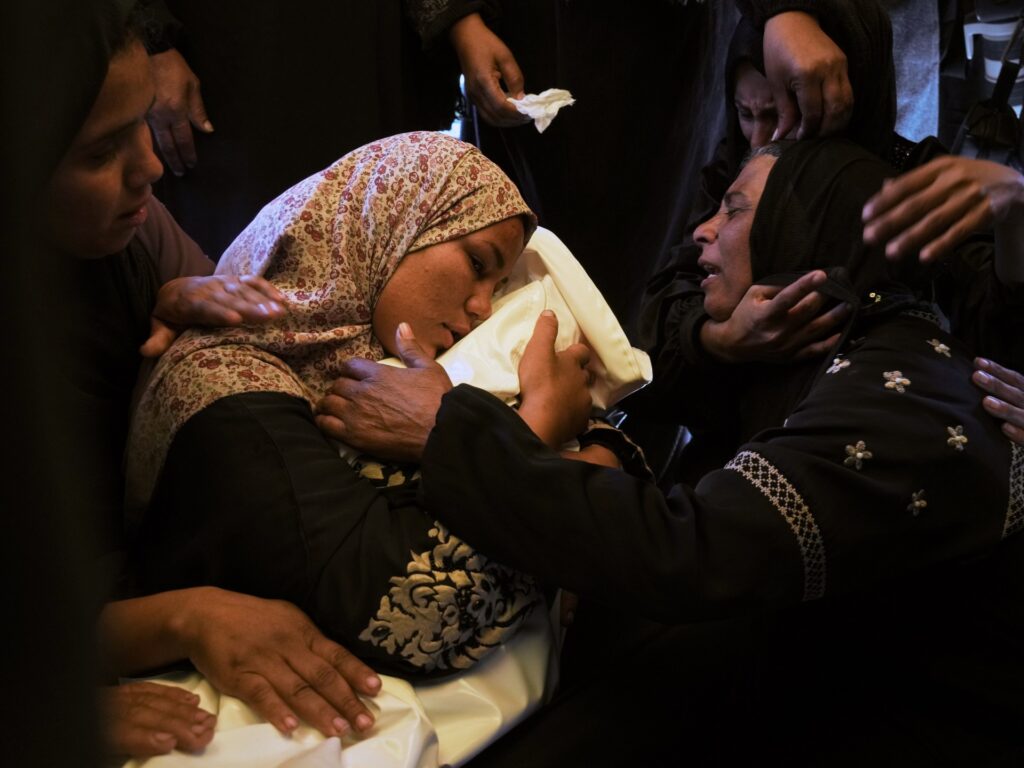
Despite the opening of Rafah, significant concerns remain about the overall situation in Gaza. The ongoing hostilities have resulted in widespread destruction, displacement, and severe shortages of food, water, and medical supplies. Access to humanitarian aid continues to be restricted, and many civilians remain trapped amid intense fighting.
The Rafah crossing’s opening is a welcome but limited step toward alleviating humanitarian suffering. International organizations have called for further easing of restrictions to allow more comprehensive medical evacuations and aid deliveries, urging all parties to facilitate the safe passage of civilians and humanitarian workers.
Meanwhile, on the ground, families of patients eligible to leave Gaza face uncertainty and anxiety as they wait for their scheduled crossing times. The pressure on medical and aid workers has increased as they coordinate logistics to prioritize the most critical cases within the limited quota.
The situation at Rafah highlights the complex interplay between security concerns and humanitarian needs. While Israel’s decision to open the crossing addresses some urgent medical emergencies, broader efforts are needed to end the blockade and ensure sustained access for aid and movement of people.
As tensions continue, the international community watches closely, hoping that this progress will mark the beginning of expanded humanitarian relief and a reduction in civilian suffering in Gaza. The opening of Rafah, though constrained, brings a glimmer of hope amid the ongoing crisis, underscoring the urgent need for lasting solutions and peace.