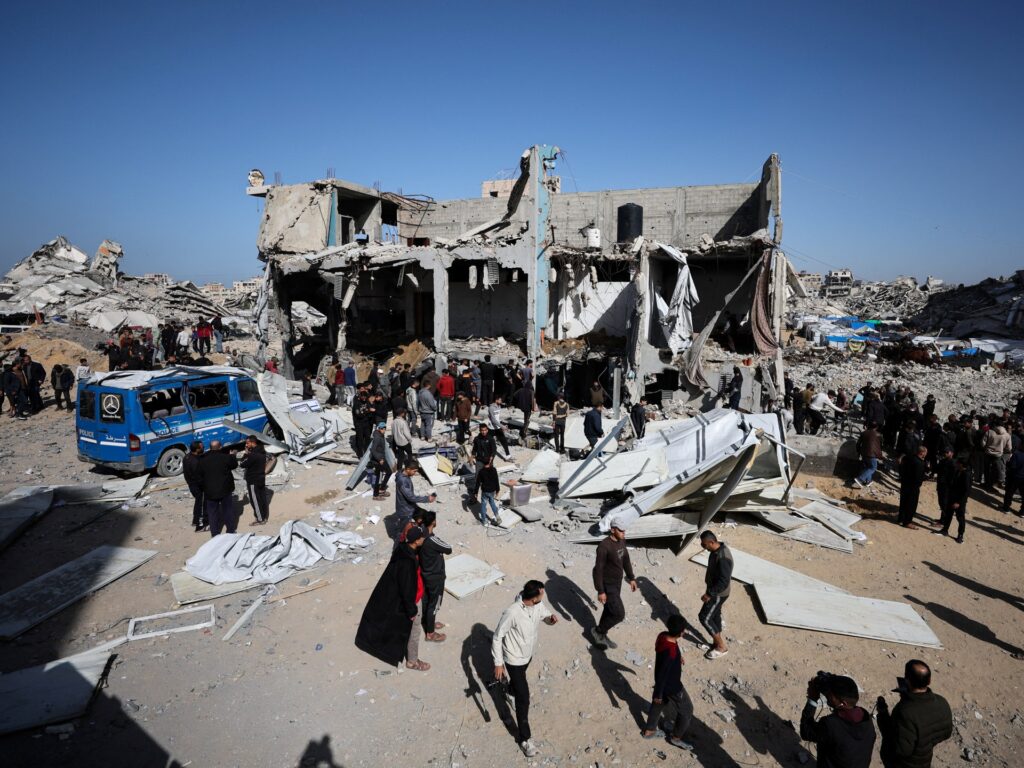
In recent months, the conflict in Gaza has resulted in catastrophic loss of life, with Israel acknowledging that approximately 70,000 Palestinians have been killed. Despite this alarming figure, Western officials and much of the international media have appeared to cast doubt on the reported death toll. This skepticism has drawn criticism from rights advocates who argue that such efforts undermine the severity of the humanitarian crisis and dehumanize Palestinian victims.
The Gaza conflict, already one of the deadliest in recent history, has witnessed widespread destruction and loss of civilian lives. Various international organizations and eyewitness reports have corroborated the high death toll. Yet, the narrative in many Western outlets and among officials often focused on questioning the accuracy of these numbers rather than addressing the underlying tragedy.
Rights groups argue that this dismissal plays a dangerous role beyond mere numbers. By casting doubt on the death toll, Western actors inadvertently contribute to the erasure of Palestinian suffering. The portrayal often strips away the identity and humanity of victims, reducing them to disputed casualties in political discourse rather than individuals who have endured severe trauma and loss.
The motives behind this skepticism are complex. Some analysts suggest that political alliances and strategic interests heavily influence the discourse. Western governments, many of which are staunch allies of Israel, may hesitate to fully acknowledge the scale of casualties for fear of political backlash or complications in diplomatic relations.
Media coverage reflects a similar pattern. Several outlets have either downplayed the numbers or presented the death toll in a way that emphasizes contestation and controversy. This approach contributes to what some describe as a discourse that normalizes tragedy instead of galvanizing international intervention or humanitarian support.
Furthermore, the framing by Western media often failed to highlight the disproportionate impact on civilians, including women and children, who make up a significant portion of the casualties. Instead, coverage sometimes prioritizes official statements from military sources and governmental reports, which may underreport or obscure the actual human cost.
In contrast, local and regional news sources, as well as independent human rights organizations, have worked tirelessly to document and verify the death toll amidst challenging circumstances. These efforts aim to maintain transparency and bring attention to the crisis in Gaza, emphasizing the gravity of the situation.
The consequences of discrediting casualty numbers extend beyond statistics. They affect humanitarian aid, policymaking, and public perception on a global scale. When the scale of devastation is questioned, it can lead to delays or reductions in aid, insufficient response from international bodies, and diminished pressure on parties involved to cease hostilities and protect civilians.
Human rights advocates call on Western officials and media outlets to adopt a more responsible and empathetic approach. Acknowledging verified death tolls with seriousness is crucial in upholding the dignity of victims and fostering a climate conducive to peace and justice.
The international community faces a moral imperative to confront the realities on the ground honestly and humanely. Recognizing the true extent of loss in Gaza is a step toward accountability, healing, and eventual resolution of conflicts that have plagued the region for decades.
In conclusion, the contentious discourse over the Gaza death toll shaped by Western officials and media coverage has significant implications. It not only risks marginalizing the Palestinian plight but also hinders meaningful international efforts to address the humanitarian disaster. Moving forward, a commitment to truthful reporting and respectful recognition of suffering must guide both political and media narratives to uphold human rights and preserve human dignity.