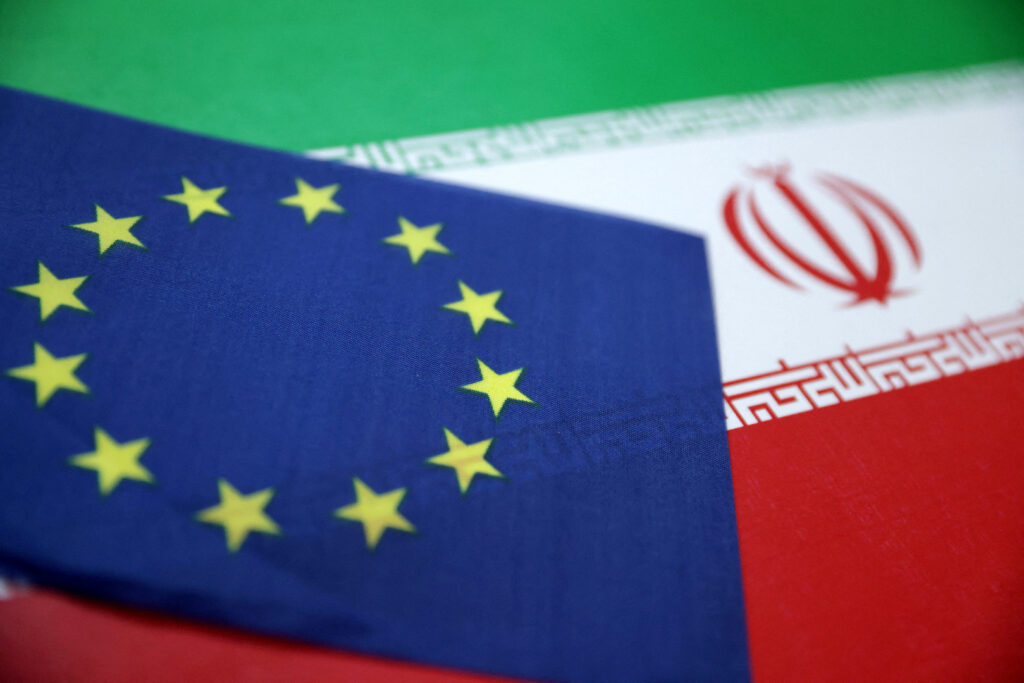
FILE PHOTO: European Union and Iran flags are seen in this illustration taken June 18, 2025. REUTERS/Dado Ruvic/Illustration/File Photo
In a significant escalation of international tensions, Iran has officially designated all European Union (EU) militaries as ‘terrorist groups’. This declaration represents a striking retaliatory move by Tehran amid ongoing geopolitical frictions between Iran and Western powers.
This announcement came as part of a broader statement issued by the Iranian government, expressing deep dissatisfaction with recent European policies and actions perceived as hostile towards Iran. Officials from Tehran highlighted that this designation was a direct response to what they described as continued interference and aggression by EU nations in Iranian affairs and the broader Middle East region.
Iran’s move is noteworthy both for its sweeping scope and the potential ramifications for diplomatic and military relations between Iran and the European Union. By labeling all EU armed forces as terrorist entities, Tehran signals a radical shift in its foreign policy stance, which could complicate any ongoing or future negotiations on various contentious issues including nuclear proliferation, regional security, and economic sanctions.
According to Iranian officials, this categorization stems from a belief that EU military interventions, support for certain regional actors, and enforcement of sanctions constitute acts of terror against Iran and its sovereignty. This narrative aligns with Iran’s longstanding criticism of Western military presence and policies in the Middle East.
The repercussions of this designation are expected to be extensive. European military operations and deployments in proximity to Iran could face heightened risks, with Iranian entities potentially viewing them as lawful targets under this new classification. Additionally, diplomatic missions and personnel associated with these militaries might confront increased threats or restrictions.
International experts warn that this development might escalate tensions and trigger reciprocal measures from European states. It also risks undermining multilateral efforts aimed at maintaining peace and stability in a region already fraught with conflict.
The European Union has not yet issued an official response to Iran’s announcement. However, informed observers predict that Brussels will condemn the decision strongly, reaffirming their commitment to cooperation and dialogue, while simultaneously preparing measures to protect their military personnel and interests.
This move comes amid a series of recent provocations and countermeasures between Iran and Western countries, including sanctions, maritime confrontations, and heightened rhetoric. The designation of EU militaries as terrorist groups marks a new chapter in this escalating standoff.
Analysts suggest that this action could be aimed at rallying domestic support within Iran by portraying the country as a defiant actor standing against foreign aggression. It may also signal Tehran’s readiness to adopt more assertive postures in its regional and international dealings.
As the global community watches closely, the unfolding consequences of Iran’s declaration will be pivotal in shaping the future landscape of international relations involving Iran, the European Union, and their respective allies. The heightened discord underscores the urgent need for diplomatic engagement to avert further escalation and foster constructive dialogue between the parties involved.