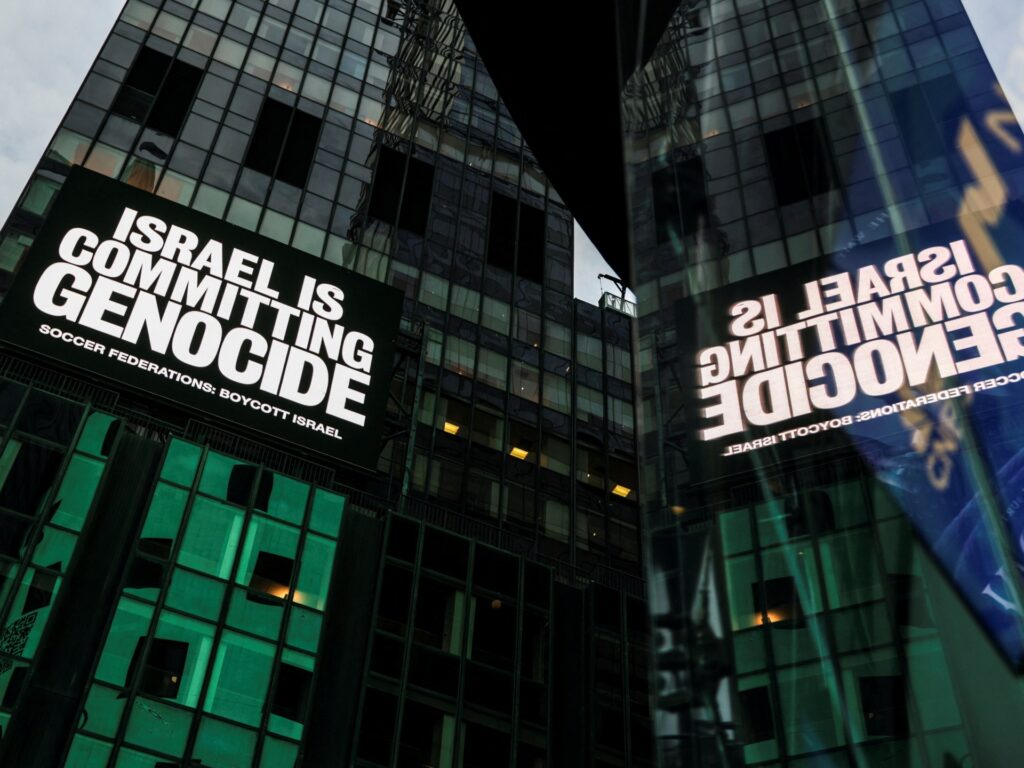
In the wake of the recent Gaza ‘ceasefire,’ the campaign to boycott Israel is intensifying its efforts, experts say, as the global spotlight moves away from the region. Activists and advocacy groups behind the boycott, divestment, and sanctions (BDS) movement emphasize that the ceasefire, while momentarily easing the conflict, does not address the deeper issues driving the Israeli-Palestinian crisis.
The campaign organizers argue that without sustained international pressure, Israel’s policies toward Palestinians will continue unchanged. They stress that the ceasefire should not signal the end of global engagement but rather a recommitment to human rights advocacy.
Experts highlight a shift in public perception and media coverage that threatens to overshadow the ongoing plight in Gaza and other Palestinian territories. As attention wanes, the campaign sees an urgent need to reinvigorate awareness through education, protests, and economic measures aimed at Israeli institutions and companies.
The boycott campaign seeks to hold Israel accountable for what it describes as violations of international law, including settlement expansion, military operations in Gaza, and restriction of Palestinian movement. It calls on governments, academic institutions, and businesses worldwide to sever ties with Israel as a form of peaceful protest.
Supporters argue that the economic and cultural isolation pressures Israel to negotiate a just peace and respect Palestinian rights. Meanwhile, critics counter that the boycott undermines dialogue and peace efforts, intensifying divisions.
Despite controversy, the movement has gained traction in various arenas, including universities and city councils. Activists plan to broaden their reach by leveraging social media and global networks to keep the campaign visible and impactful.
Looking ahead, campaign leaders emphasize the importance of persistence and adaptability in their strategies. They aim to ensure that the ceasefire does not translate into complacency but reinforces commitment to justice and equality for Palestinians.
As the world’s focus shifts, the campaign to boycott Israel underscores that the quest for peace and human rights requires continued vigilance and action. The call to isolate Israel remains a defining feature of international advocacy for Palestinian self-determination and an end to occupation.
The movement’s future actions will likely shape the discourse on Middle East peace and influence global policies concerning the Israeli-Palestinian conflict for years to come.