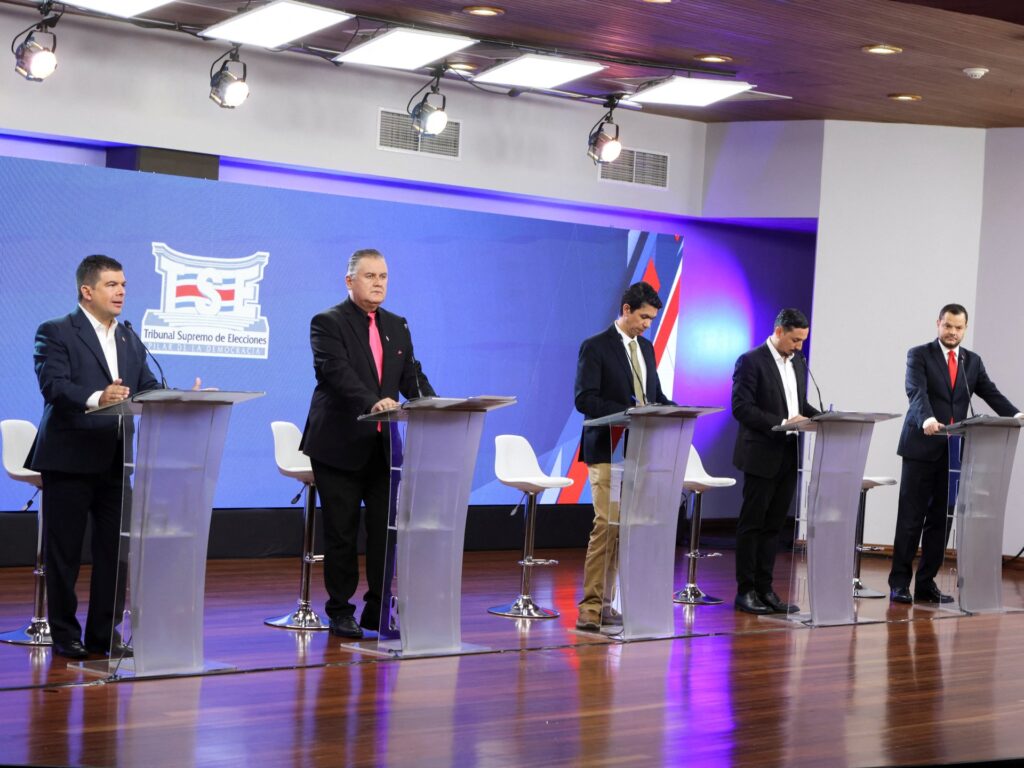
Costa Rica is set to hold its presidential election on February 1, and the polls are indicating a likely victory for the candidate closely aligned with incumbent President Rodrigo Chaves. This election is seen by many as a referendum on the continuity of Chaves’ policies and governance style.
Rodrigo Chaves, who has been a prominent figure in Costa Rican politics, assumed office with ambitions to drive economic growth and social reform. His administration has been marked by efforts to tackle issues such as fiscal responsibility, infrastructure improvement, and social welfare enhancement. The candidate endorsed by Chaves promises to carry forward this agenda, which resonates with a significant portion of the electorate.
The political landscape in Costa Rica is traditionally characterized by robust democratic participation and peaceful transitions. However, this election cycle has drawn particular attention due to the incumbent president’s direct influence on the race. Voters face a choice between maintaining the current trajectory or opting for change amidst ongoing economic and social challenges.
Economic analysts suggest that continuity could provide stability needed for sustained recovery and investment, especially in a region sensitive to global market fluctuations. Conversely, critics argue that fresh leadership is necessary to address persistent issues such as inequality and environmental conservation.
Campaigns leading up to the election have emphasized themes of security, economic opportunity, and governance transparency. The pro-continuity candidate advocates for policies aimed at fostering innovation and improving public services, aligning closely with Chaves’ vision.
Public opinion polls conducted recently show a consistent lead for the continuity candidate, reflecting voter confidence in the current administration’s direction. However, the margin is not insurmountable, and opponents maintain a vigorous campaign, highlighting areas where they believe change is crucial.
The international community is watching the election closely, given Costa Rica’s role as a stable democracy in Central America. The outcome will have implications for regional cooperation on issues like trade, migration, and environmental policies.
Voters are encouraged to participate actively in the democratic process, with the election seen as a decisive moment for the country’s future. The results, expected later in the evening on February 1, will determine whether Costa Rica continues on its current path or embarks on a new chapter.
As the election day approaches, debates and political discussions remain intense, reflecting the stakes involved. The preference for continuity suggests a desire for steady governance amid uncertain times, but also places responsibility on the next administration to deliver on its promises effectively.
In summary, Costa Rica’s presidential election is a significant event marked by a choice between maintaining the policies of President Rodrigo Chaves or seeking transformative change. The polls currently favor the candidate aligned with Chaves, hinting at a possible mandate for continuity.”