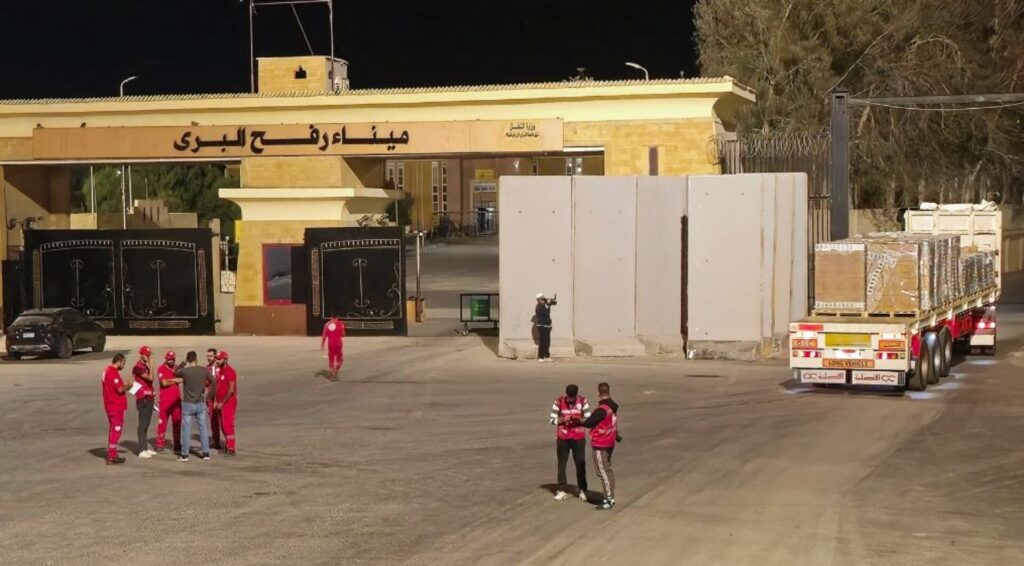
In a significant development amid ongoing violence, Israel has announced that the Rafah border crossing with Egypt will be partially reopened. This key crossing, which has been closed for nearly two years, will allow limited movement of people, providing a critical pathway for those seeking to exit or enter Gaza.
The Rafah crossing is the only border point between Gaza and Egypt, and its closure has heavily impacted the flow of humanitarian aid, medical supplies, and civilian travel. The decision to reopen it, even with restrictions, marks a notable easing of the blockade imposed on Gaza.
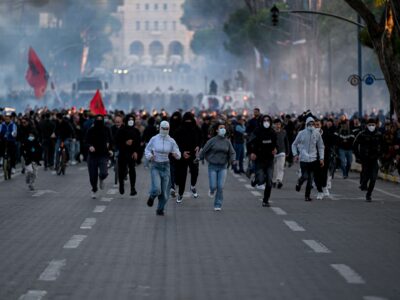
This announcement comes amid a backdrop of intensified violence in the region. Dozens of people have been killed in recent attacks as tensions between Israel and Gaza escalate. The partial reopening is expected to alleviate some of the humanitarian pressure, but the movement will remain limited due to ongoing security concerns.
Egypt has historically played a mediating role in the Israeli-Palestinian conflict, and the reopening of Rafah could signal a potential shift towards easing tensions. However, the move is cautious, reflecting the fragile situation on the ground.
Humanitarian organizations have welcomed the reopening but caution that much more needs to be done to ensure the safe and sustained passage of people and goods.
The situation remains fluid, with security incidents continuing to unfold. The partial opening of Rafah may serve as a crucial lifeline for many trapped in Gaza, but the path to broader peace and stability remains uncertain.
As this story develops, further updates on the impact of the Rafah crossing reopening and the broader conflict are expected.