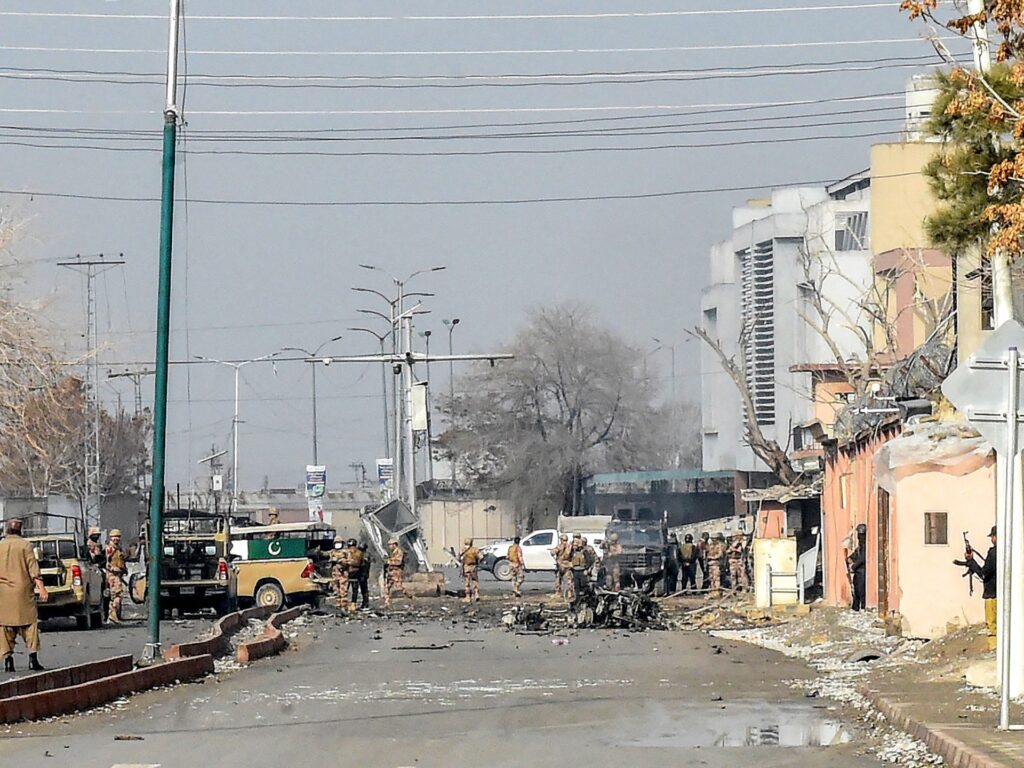
Pakistan has witnessed a tragic and violent escalation as coordinated attacks executed by alleged separatist groups in Balochistan have resulted in the death of at least 21 people. This violence marks a grim chapter in the long-standing conflict in the region, where separatist movements have sought autonomy or independence for decades.
Balochistan, the largest province in Pakistan by area, has been a hotspot for separatist insurgencies due to its rich natural resources, including gas and minerals, and longstanding grievances related to political and economic marginalization. The separatist groups claim that the federal government exploits the province’s resources without adequately benefiting the local population, fueling demands for greater autonomy.
The recent attacks reportedly targeted multiple locations, including security forces and government installations, resulting in substantial casualties. Authorities have condemned the assaults and vowed to intensify counter-insurgency operations in the region.
Security forces have been engaging with separatist militants for years, with intermittent periods of heightened violence followed by uneasy calm. Despite the state’s efforts, the conflict has persisted, occasionally disrupting local life and economic activities.
The attacks have drawn international attention, with human rights organizations urging both the Pakistani government and separatist groups to seek peaceful resolutions. They emphasize the importance of dialogue and development initiatives addressing the root causes of the unrest.
Local residents have expressed fear and frustration over the continuing violence, highlighting the impact on their daily lives and economic prospects. Schools and businesses in affected areas have often been disrupted, and many civilians have been displaced due to the conflict.
The Pakistani government has reiterated its commitment to maintaining national unity and protecting its citizens against terrorism and violence. It has also called for national solidarity in the face of these challenges.
In response to the attacks, security agencies have increased their presence and operations in Balochistan to prevent further incidents and restore stability. There have also been efforts to improve intelligence gathering to better anticipate and thwart militant plans.
The situation in Balochistan remains volatile, with a complex interplay of ethnic, political, and economic factors driving the insurgency. The province’s strategic importance and restiveness continue to make it a focal point of Pakistan’s internal security concerns.
Experts suggest that a sustainable solution will require a combination of military, political, and socio-economic strategies, including addressing local grievances and promoting inclusive development.
Pakistan’s federal and provincial governments face the ongoing challenge of balancing security measures with efforts to engage communities and foster peace.
The international community watches closely, hoping for a de-escalation of violence and a pathway toward a peaceful resolution that respects the rights and aspirations of the Baloch people.
As Pakistan battles these challenges, the need for comprehensive and sustained efforts to end the cycle of violence in Balochistan remains urgent and critical for the country’s overall stability and progress.