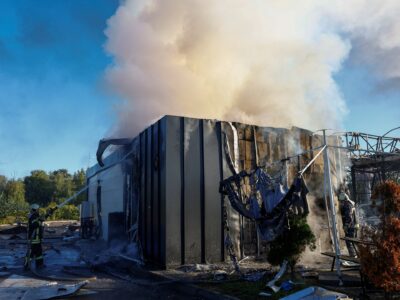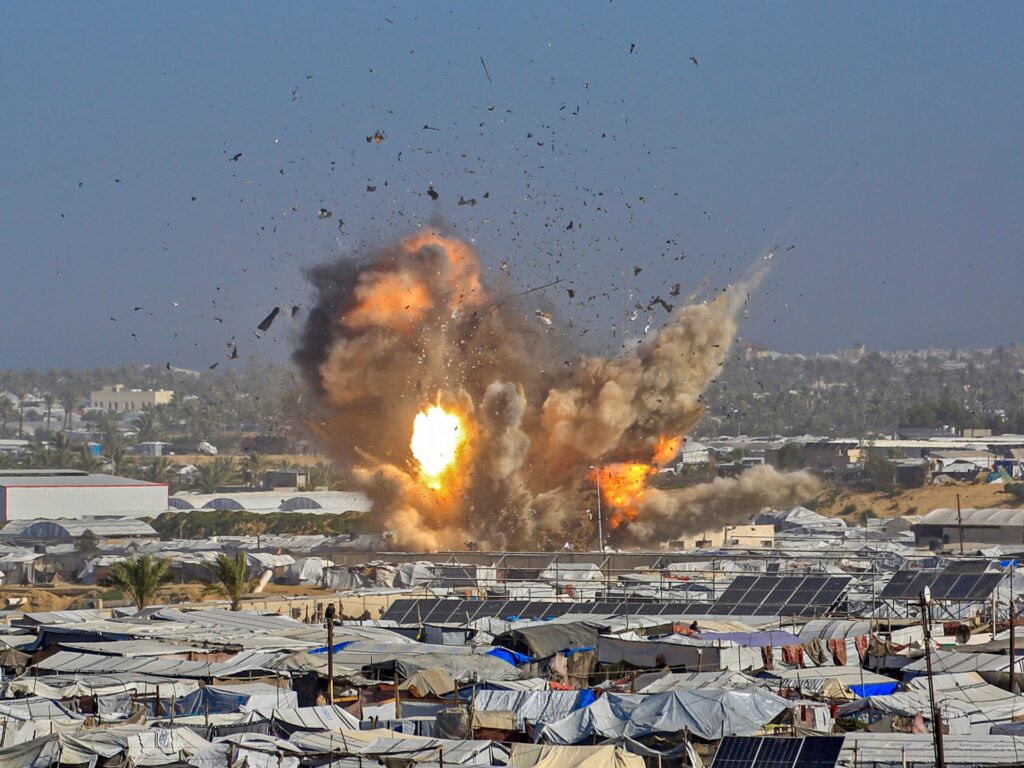
In a tragic escalation of conflict, Israel has conducted lethal attacks in Gaza, killing 31 people, including children. These deadly strikes occurred just a day before the Rafah crossing—a critical passage point between Gaza and Egypt—is scheduled to reopen. This violation of the ceasefire has intensified humanitarian concerns and raised tensions in the region. The attacks have not only resulted in loss of life but also inflicted significant damage on civilian infrastructure, exacerbating the already dire situation in Gaza. The international community has expressed alarm over the breach of the fragile ceasefire agreement, calling for immediate restraint and renewed efforts to ensure lasting peace. The reopening of the Rafah crossing had been anticipated as a vital lifeline for humanitarian aid and movement of people, but the recent violence threatens to undermine this crucial development. Residents of Gaza are enduring severe hardship amid the ongoing conflict, with limited access to essential supplies and medical care. The latest events underscore the urgent need for diplomatic intervention to prevent further bloodshed and to address the root causes of the long-standing conflict. As global observers monitor the situation closely, calls for dialogue and peaceful resolution are intensifying. The international community continues to urge both parties to respect ceasefire agreements and prioritize the safety and well-being of civilians, especially vulnerable populations such as children. The situation remains volatile, and the humanitarian implications are profound, highlighting the critical importance of sustained international attention and assistance in this troubled region.