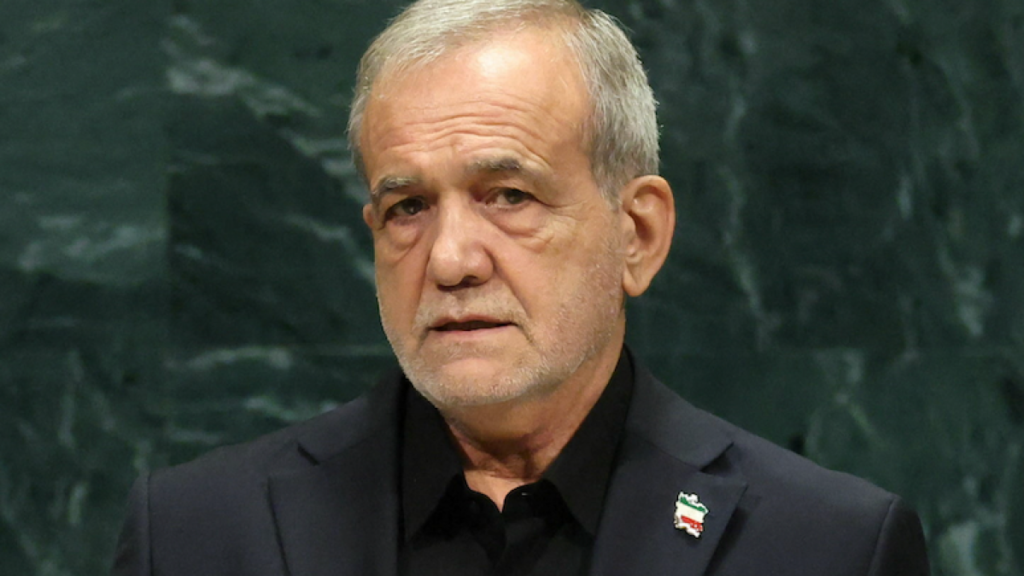
Iranian President Masoud Pezeshkian has fervently criticized Israel and the United States, accusing them of enforcing double standards in international politics. His remarks came amid ongoing tensions and conflicts involving Iran and Western nations. Pezeshkian highlighted that while actions causing loss of life in some contexts are met with severe condemnation, similar acts in other contexts by these nations often go unpunished or are ignored.
He emphasized the perceived hypocrisy in how the West addresses violence and aggression, asserting that “They kill, we are punished,” to underscore what he sees as an imbalance in international responses to conflict-related casualties. This statement reflects Iran’s broader dissatisfaction with Western foreign policy, particularly regarding Middle Eastern affairs.
The Iranian president’s comments follow a series of events where Israel and the US have been involved in military operations or policy decisions that have led to significant casualties. Pezeshkian’s accusations come as Iran faces various sanctions and global scrutiny, contrasting with what he describes as Western leniency towards their allies.
Such rhetoric from Iranian leadership further complicates the already complex geopolitical landscape. It highlights the ongoing narrative battle and deep mistrust between Iran and Western nations, especially Israel and the United States. These accusations aim to draw global attention to Iran’s grievances about perceived injustice and imbalance in international law enforcement and diplomatic treatment.
The debate over double standards is not new; critics often argue that powerful nations leverage their influence to shield themselves or their allies from repercussions while holding adversaries to stricter accountability. This issue has been a sticking point in international forums and negotiations over decades.
Iran’s stance also underscores its efforts to rally domestic and international support by portraying itself as a victim of unfair treatment. Pezeshkian’s statement can be interpreted as a strategic move to question the legitimacy of Western-led policies and interventions in the Middle East.
Moving forward, Iran’s leaders will likely continue to vocalize these concerns, using international platforms and media to challenge Western actions. Whether this will lead to any shifts in policy or diplomatic relations remains uncertain, but the deep-rooted discord and mutual accusations suggest a prolonged period of confrontation.
In summary, the Iranian president’s denunciation of Western double standards is a powerful message that encapsulates Iran’s broader criticisms of global power dynamics and the treatment it receives from influential nations. It reflects the enduring challenges to achieving diplomatic resolution and mutual respect in a region fraught with conflicts and competing interests.