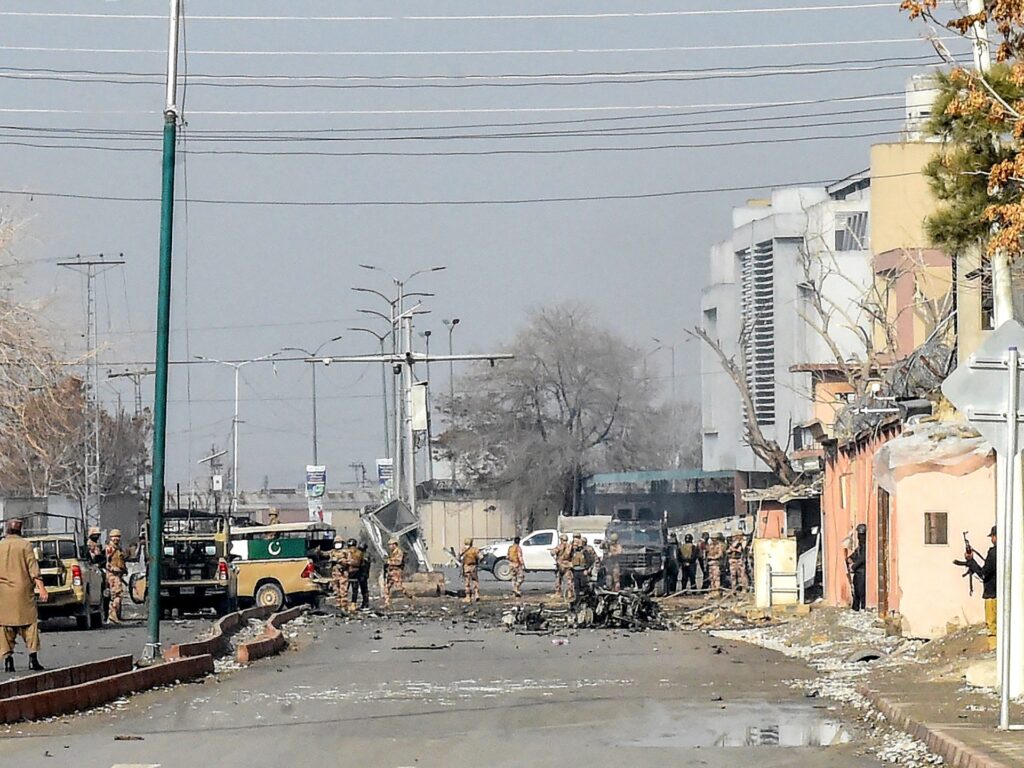
In a tragic escalation of violence, suspected separatist militants have killed 10 Pakistani policemen in a series of coordinated attacks in the restive province of Balochistan. The assaults, which unfolded at multiple locations, highlight the ongoing security challenges faced by Pakistan in its efforts to quell the long-standing separatist insurgency in the region.
Balochistan, Pakistan’s largest province by area, has been the epicenter of a separatist movement for several decades. The insurgents, driven by political and ethnic grievances, seek greater autonomy or outright independence from Pakistan. The movement has resulted in numerous violent incidents, including attacks on security forces, government officials, and infrastructure.
The recent spate of violence saw multiple attacks targeting police personnel, who are often on the front lines of the conflict. The coordinated nature of the strikes indicates a high degree of planning and operational capability among the militants. According to local officials, the attacks were simultaneous or closely timed, aimed at overwhelming security responses and maximizing casualties.
The Pakistani government has condemned the attacks in the strongest possible terms and promised renewed efforts to restore peace and stability. Security forces have been deployed in greater numbers across Balochistan to prevent further incidents and to hunt down those responsible. However, the province’s challenging terrain and the militants’ familiarity with the landscape pose significant obstacles for counterinsurgency operations.
The broader context of the Baloch separatist insurgency is rooted in grievances over political marginalization, economic neglect, and resource control. Baloch leaders have long complained about exploitation of the province’s rich mineral wealth and natural resources without adequate benefits to the local population.
International observers have noted that resolving the conflict will require not only military measures but also political dialogue and socioeconomic development initiatives. There is a call for greater inclusion of Baloch voices in governance and development planning.
The Pakistani government has stepped up military operations in recent years, but the separatist movement retains the ability to conduct attacks, as evidenced by the recent killing of police officers. The attacks will likely increase pressure on the authorities to revisit their strategies and possibly explore broader political engagement with the separatists.
Local communities in Balochistan continue to live under the shadow of violence, with frequent clashes disrupting daily life and development. The need for a lasting solution is critical to ensuring stability not only in Balochistan but for Pakistan as a whole.
The killing of 10 policemen in coordinated attacks marks a significant escalation in violence and underscores the persistent volatility in Balochistan. It serves as a grim reminder of the deep-rooted issues that fuel the conflict and the challenges faced by Pakistan in addressing separatist insurgencies.