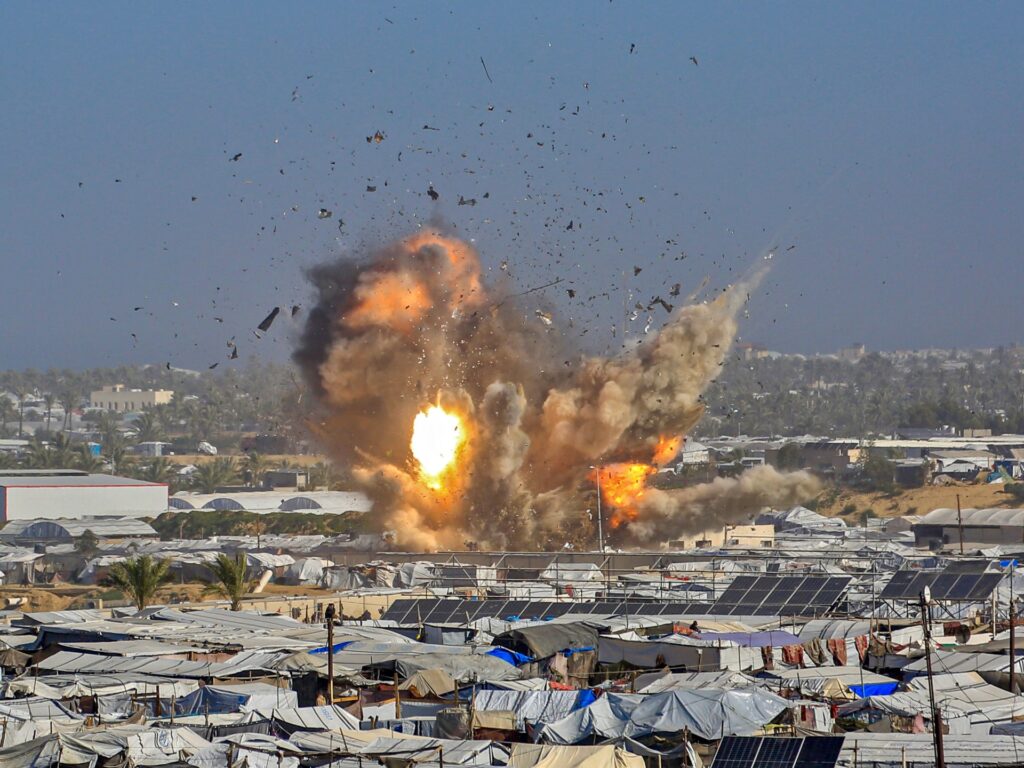
A serious escalation in violence has occurred as Israel killed 19 people, including six children, during new attacks in Gaza. These deadly strikes come just one day before the Rafah border crossing, a crucial gateway between Gaza and Egypt, is set to reopen, raising tensions and concerns for the humanitarian situation in the region.
The recent ceasefire, intended to ease hostilities between Israel and Gaza, was abruptly violated as Israeli forces launched attacks targeting specific locations in Gaza. The assault resulted in significant casualties, underscoring the fragility of peace efforts amid ongoing conflict.
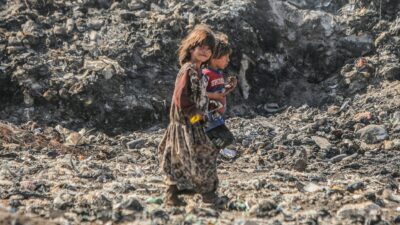
Among the victims were six children, highlighting the tragic impact of conflict on civilians, particularly the most vulnerable. The loss of young lives has sparked widespread international condemnation and calls for renewed efforts to uphold ceasefire agreements and protect non-combatants.
The timing of the strikes, so close to the reopening of the Rafah crossing, is particularly alarming. The crossing is considered a vital humanitarian lifeline for Gaza’s residents, allowing for the movement of people and essential goods amid the blockade. Its reopening was hoped to bring some relief to the population suffering from shortages of medical supplies, food, and other necessities.
Human rights organizations and international observers have voiced strong criticism of the renewed violence, emphasizing the need for an immediate cessation of hostilities. They warn that continued breaches of ceasefire agreements undermine peace efforts and exacerbate the hardship faced by civilians.
The Israeli government has defended its actions as necessary for security reasons, citing threats from militant groups operating within Gaza. However, the high civilian toll has intensified debate over the proportionality and consequences of military operations in dense urban environments.
Diplomatic efforts are underway to address the escalation, with various countries and international bodies urging both sides to exercise restraint and return to negotiations to restore calm.
For the people of Gaza, the violation of the ceasefire has dashed hopes for a quieter period as they face not only political and military turmoil but also a humanitarian crisis worsened by restricted access to aid through the Rafah crossing.
The situation remains fluid, with reports continuing to emerge regarding the impact of the attacks and the status of the Rafah border. The international community closely watches developments, hoping for a de-escalation of violence and renewed commitment to peace in the troubled region.