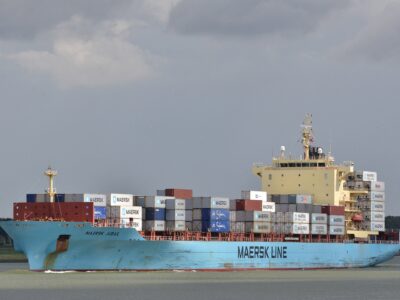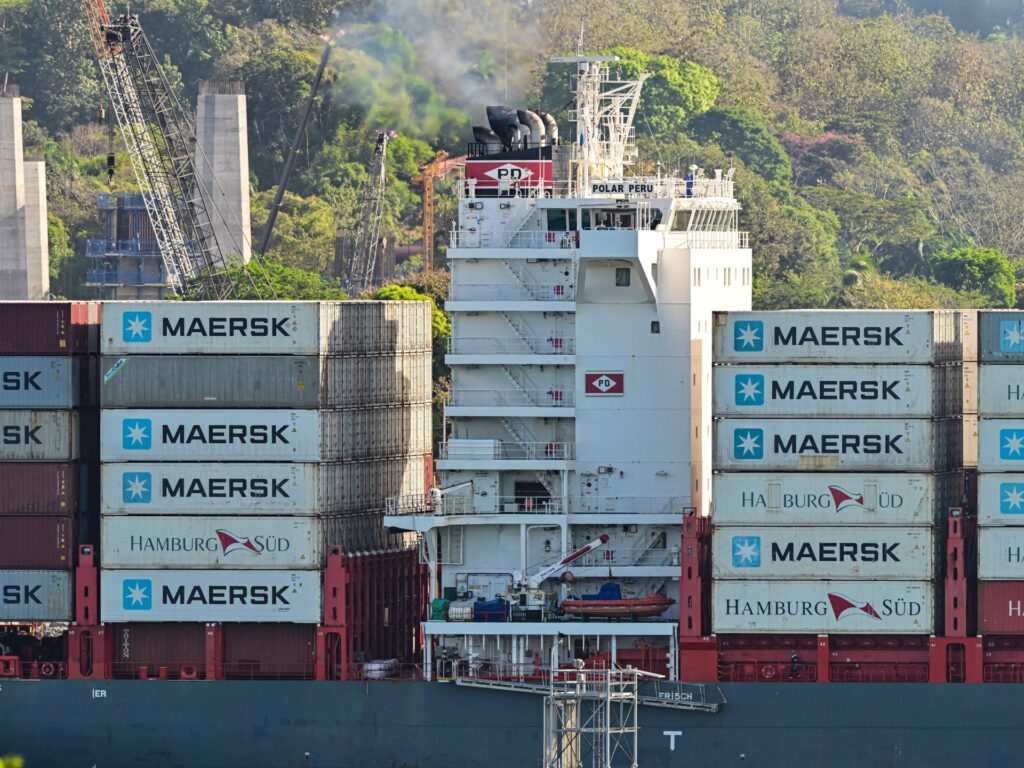
In a landmark development within the global shipping and maritime industry, Danish conglomerate Maersk is set to take over operations at the Panama Canal ports. This change comes after a significant court ruling that paves the way for Maersk to replace the current Hong Kong-based company managing the strategic waterway’s port facilities.
The Panama Canal, a vital conduit connecting the Atlantic and Pacific Oceans, has long been a coveted asset due to its critical role in international trade. Control over its ports means influence over one of the world’s busiest shipping lanes, which directly affects the flow of goods globally.
The transition marks a turning point stemming from political and security concerns raised by former U.S. President Donald Trump. Trump publicly asserted that the strategic waterway, and the associated port control, was effectively under Chinese influence due to the involvement of the Hong Kong-based firm. This claim highlighted fears about China’s expanding footprint and its possible control over key international maritime trade routes.
Responding to these apprehensions, the Panamanian courts have ruled in favor of the Danish company Maersk, a leader in global shipping and logistics. Maersk’s takeover is seen as a move to reestablish Western influence over the canal’s operations, reassuring the international community about the neutrality and security of this crucial trade hub.
Maersk’s expertise in logistics and global supply chains is expected to enhance operational efficiencies and bring technological advancements to the Panama Canal ports. Their stewardship is anticipated to boost trade throughput, reduce bottlenecks, and ensure smoother maritime traffic management.
The ruling and impending change in control have significant geopolitical implications. It represents a contest between Western and Chinese economic power in controlling critical infrastructure. The development follows a global pattern of strategic asset reassessment, where nations and multinational corporations aim to safeguard vital trade arteries from geopolitical risks.
Industry analysts predict Maersk’s takeover could usher in improved governance standards and transparency for the Panama Canal’s port operations. This aligns with broader international trends emphasizing resilient and secure supply chains amid rising geopolitical tensions.
While the Hong Kong-based operator’s tenure has been marked by expansion and modernization efforts, concerns over its alignment and influence have cast shadows over its legacy. The decision to entrust Maersk with operations signals a preference for Western-aligned stakeholders in critical infrastructure management.
In summary, Maersk’s forthcoming control over Panama Canal ports represents a strategic pivot in international shipping. It addresses geopolitical concerns about foreign influence in a globally pivotal trade route, promising enhanced operational capacity and security. The move is likely to reshape maritime trade dynamics and reflects ongoing geopolitical competition for control of essential infrastructure.