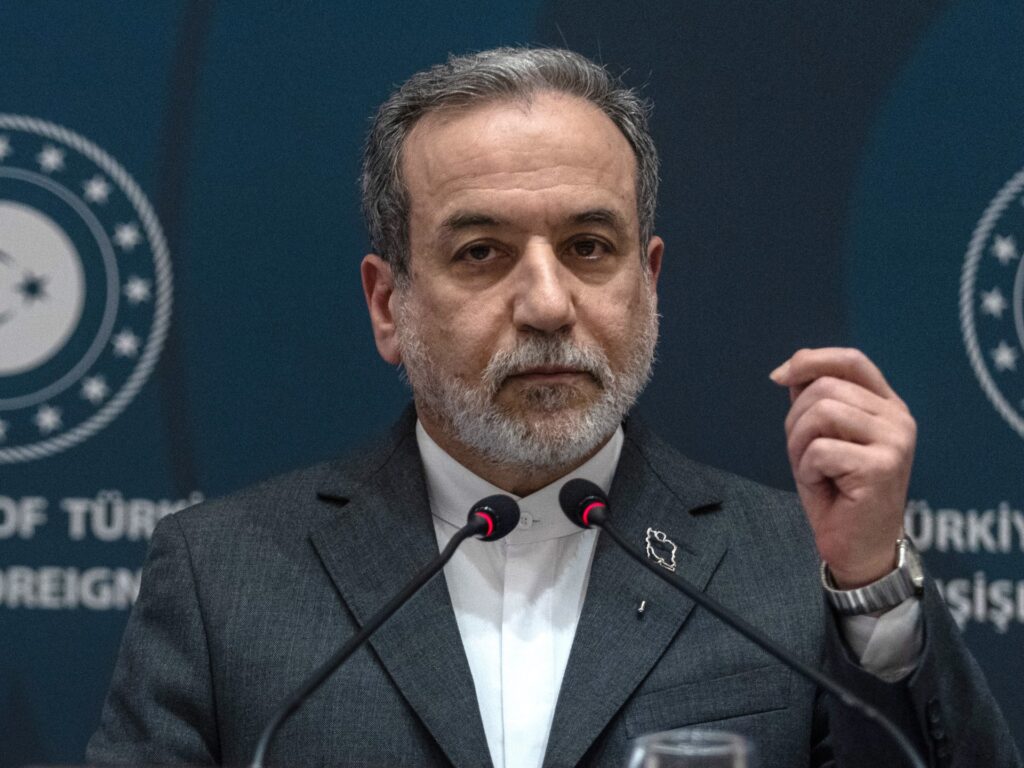
Iran has declared its readiness for ‘fair’ negotiations with the United States, emphasizing that such talks must occur without the presence or imposition of threats. This statement was made by Iran’s foreign minister, highlighting Tehran’s willingness to engage diplomatically under conditions of respect and equal footing. However, Iran has firmly stated that its missile program will not be a subject for negotiation, maintaining its strategic defense stance.
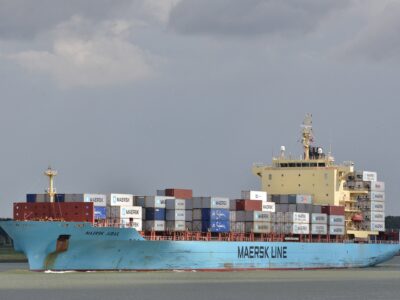
The backdrop to these developments is the escalating tension in the region, with former US President Donald Trump announcing the deployment of additional US naval vessels to the Middle East. This move is broadly seen as a measure to counter threats and assert US interests amid the ongoing geopolitical complexities involving Iran.
Iran’s position reflects a balance between openness to dialogue and a clear boundary regarding its military capabilities, particularly the missile program considered vital to its national defense. The insistence on holding talks ‘not under the shadow of threats’ underscores Tehran’s resistance to any form of coercion or pressure in diplomatic engagements.
The regional and international community is closely watching these dynamics, as the potential for negotiation could either ease tensions or lead to further standoffs depending on how both sides approach the talks. Iran’s missile program remains a key point of contention, with the US and its allies viewing it as a destabilizing factor, while Iran sees it as essential for self-defense.
The increased US military presence in the Persian Gulf and nearby waters signifies a strategic posture aimed at safeguarding maritime routes and regional allies. It also serves as a signal to Iran regarding the consequences of aggressive actions potentially affecting US interests.
Analysts suggest that for a sustainable resolution, both parties must adopt transparent communication channels and possibly agree on incremental confidence-building measures. These could include mutual recognition of security concerns and agreed limitations to certain military activities, fostering an environment conducive to peace.
Iran’s declaration underscores the ongoing complexity of Middle Eastern geopolitics, where security, diplomacy, and national sovereignty intersect. The outcome of any forthcoming talks could set the tone for regional stability and influence global diplomatic relations concerning Iran and the US.
In conclusion, while Iran signals willingness to engage in fair and threat-free talks, the firm stance on its missile program and the heightened US military activity indicate that significant challenges remain. The international community continues to advocate for peaceful dialogue, hoping for a reduction in tensions and the establishment of a more secure environment in the region.