In a recent statement, Philippine Foreign Secretary Enrique Manalo announced that the Association of Southeast Asian Nations (ASEAN) currently does not recognize the elections held in Myanmar. This declaration comes amid the ongoing political crisis in Myanmar following the military coup in February 2021.
ASEAN member states have expressed concerns over the legitimacy of the elections, which were organized under the military regime that seized power from the civilian government. The military-run elections have been widely criticized both domestically and internationally, with accusations of unfair practices and suppression of opposition groups.
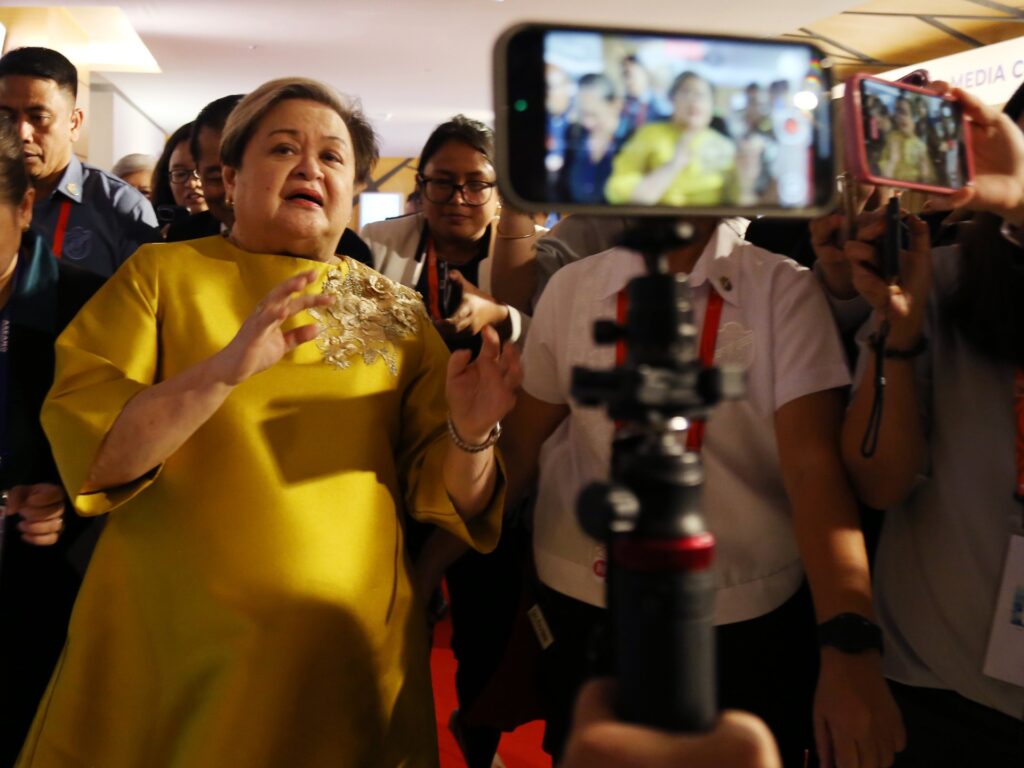
Philippine Foreign Secretary Lazaro, speaking on behalf of ASEAN, confirmed that the bloc has not endorsed the elections ‘as of now,’ reflecting the cautious consensus among member countries. The ASEAN group has been attempting to engage with Myanmar’s military leaders to restore peace and stability, but these efforts have been met with limited success.
The ASEAN statement highlights the challenges the regional organization faces in balancing respect for Myanmar’s sovereignty with the need to uphold democratic principles and human rights. Member states are grappling with the implications of recognizing an election deemed flawed and conducted under military control.
Furthermore, the lack of endorsement from ASEAN underscores the bloc’s ongoing struggle to address the fallout from Myanmar’s political turmoil, including widespread protests, violent crackdowns on dissent, and the displacement of thousands of refugees.
The international community has similarly condemned the military’s election, urging for a return to civilian rule and the release of detained political leaders, including Nobel laureate Aung San Suu Kyi. ASEAN’s hesitant stance reflects a growing divide between regional interests and global calls for accountability and democratic governance.
ASEAN has traditionally adhered to a principle of non-interference in member states’ internal affairs, which complicates collective actions against Myanmar’s military government. Nevertheless, the situation has put pressure on the organization to rethink its approach for maintaining regional stability and supporting democratic processes.
In response to the ongoing crisis, ASEAN has proposed a five-point consensus plan aimed at ending violence, facilitating dialogue among stakeholders, and providing humanitarian assistance. However, implementation has been slow and fraught with challenges, especially as Myanmar’s military continues to consolidate power.
Philippine Foreign Secretary Lazaro’s confirmation that ASEAN has not presently recognized Myanmar’s elections signals the bloc’s tentative position amid this complex and evolving situation. The delay in endorsement may be interpreted as a diplomatic message urging the military junta to comply with international norms and work towards genuine reconciliation.
The rejection or non-recognition of Myanmar’s elections by ASEAN also impacts the country’s diplomatic relationships within the region and globally, potentially affecting trade, aid, and political cooperation frameworks.
As the crisis continues, the international community watches closely how ASEAN will navigate this delicate balance between respecting sovereignty and promoting democratic ideals. The organization’s decisions in the coming months will be critical for Myanmar’s future and the stability of Southeast Asia.
In summary, ASEAN’s current non-recognition of Myanmar’s military-run elections marks an important stance amid widespread concerns about electoral legitimacy and the nation’s return to democracy. Philippine Foreign Minister Lazaro’s statement highlights the challenges ASEAN faces in addressing Myanmar’s political crisis while maintaining regional cohesion and stability.