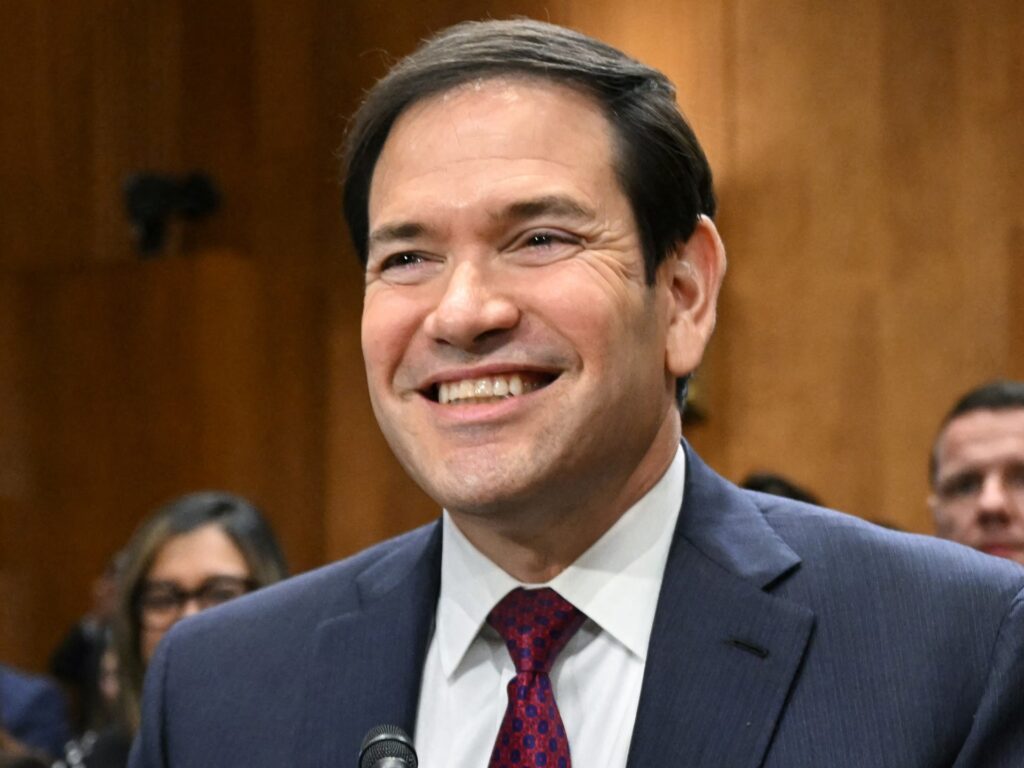
U.S. Senator Marco Rubio has stated that the Trump administration neither intends nor expects to undertake military action in Venezuela again. This comes amid ongoing tensions in the region, where political instability and humanitarian crises have drawn international attention.
Rubio’s comments clarify the administration’s stance after previous considerations of military intervention in Venezuela’s political affairs. However, he also noted an exception, implying that under certain unforeseen circumstances, military action might still be deemed necessary.
The situation in Venezuela has been precarious for several years, with President Nicolás Maduro’s government facing widespread condemnation for undermining democracy and ignoring human rights. The U.S. and other countries have imposed sanctions and supported opposition leader Juan Guaidó, who declared himself interim president in a move backed by many Western nations.
Military intervention has been a topic of debate, but it remains highly controversial due to the risks of escalating conflict and destabilizing the region further. Rubio’s statement suggests a cautious approach while keeping options open based on future developments.
In recent years, the Trump administration has primarily relied on diplomatic pressure and economic sanctions to influence Venezuela’s leadership. The likelihood of armed intervention has diminished, given the complexities on the ground and international repercussions.
Rubio’s stance reflects a broader consensus among U.S. policymakers advocating for non-military means to resolve the Venezuelan crisis but remaining vigilant about the evolving situation.
This announcement also serves as a message to both allies and adversaries about the U.S. position on Venezuela, emphasizing restraint paired with readiness to respond if conditions justify such measures.
As the crisis continues, the international community watches closely, hoping for a peaceful resolution that restores stability and addresses humanitarian needs within Venezuela.