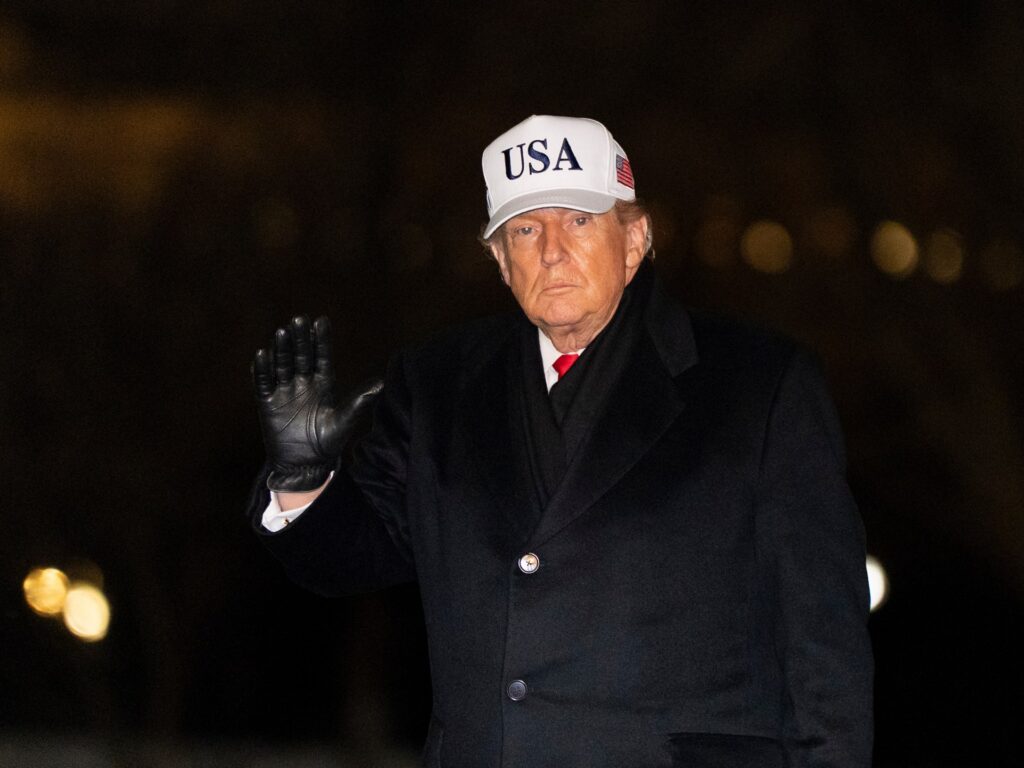
In a renewed and emphatic warning to Iran, former President Donald Trump declared that Tehran must choose to either negotiate “a fair and equitable deal” with the United States or face a significantly harsher military response. Trump’s statement signals increased tension and heightened stakes in the ongoing conflict between the US and Iran.
Trump’s message came amid ongoing diplomatic stalemates and growing concerns about Iran’s nuclear ambitions. The former president emphasized that diplomacy remains preferable but warned of a powerful US armada ready to take action if negotiations fail.
“Iran has two choices,” Trump said in a recent address. “They can come to the table and make a deal that is fair and equitable, or they will face consequences far worse than anything they have seen before. We will not tolerate their behavior any longer.”
The warning reflects the Trump administration’s earlier hardline stance aimed at curbing Iran’s nuclear program and its influence in the Middle East. It also highlights the increasing impatience with diplomatic efforts perceived as too lenient or slow.
Experts say this rhetoric is likely to exacerbate tensions in the region, possibly leading to escalations that could destabilize already fragile geopolitics. The prospect of a US armada suggests a show of military strength designed to pressure Iran into compliance.
Historically, Trump’s approach toward Iran was marked by the US withdrawal from the 2015 nuclear deal, officially known as the Joint Comprehensive Plan of Action (JCPOA), which was intended to limit Iran’s nuclear capabilities in exchange for sanctions relief.
Since then, US-Iran relations have deteriorated, with incidents of military confrontations, targeted strikes, and economic sanctions intensifying the hostility. The renewed threat issued by Trump echoes previous warnings but signals a potentially more aggressive posture.
Iran has consistently denied intentions to develop nuclear weapons and blames US policies for heightened tensions. Iranian officials have vowed to resist what they describe as American attempts at coercion.
This latest round of threats comes at a time when international efforts to revive the JCPOA or establish a new framework have faced significant challenges. The Biden administration, unlike Trump, has indicated openness to negotiations but demands strict compliance from Tehran.
Regional allies of the US watch closely, concerned about the possibility of a new conflict erupting in the Middle East, which could disrupt global oil supplies and lead to humanitarian crises.
Analysts warn that without a diplomatic breakthrough, the threat of military action could spiral into an extensive conflict impacting not just Iran and the US, but wider international security.
The choice presented by Trump underlines the stark reality of US foreign policy towards Iran: negotiate under pressure or confront severe consequences. The path forward remains uncertain, with the risk of conflict looming if talks fail.
In summary, Trump’s latest pronouncement to Iran underscores the fragile balance between diplomacy and military confrontation. The world watches as Iran weighs its options in response to the formidable US ultimatum, with the hope that a peaceful resolution can prevail to avoid devastating outcomes.