Recent revelations about Israeli plans to establish an “organized camp” in Rafah, Gaza, have sparked widespread condemnation and alarm among analysts and human rights advocates. The proposed camp, reportedly designed to control and monitor the movement of Palestinians, plans to employ advanced technologies such as facial recognition as a tool to ‘sort’ individuals and deter their return to their homes.
The use of facial recognition technology in this context has drawn sharp criticism not only because of privacy concerns but because it symbolizes a larger strategy that many describe as a continuation of longstanding efforts of systemic oppression and displacement in the region. This camp is viewed by critics as part of a broader strategy of ethnic cleansing or genocide, aiming to forcibly control and manage the Palestinian population through technological means and physical containment.
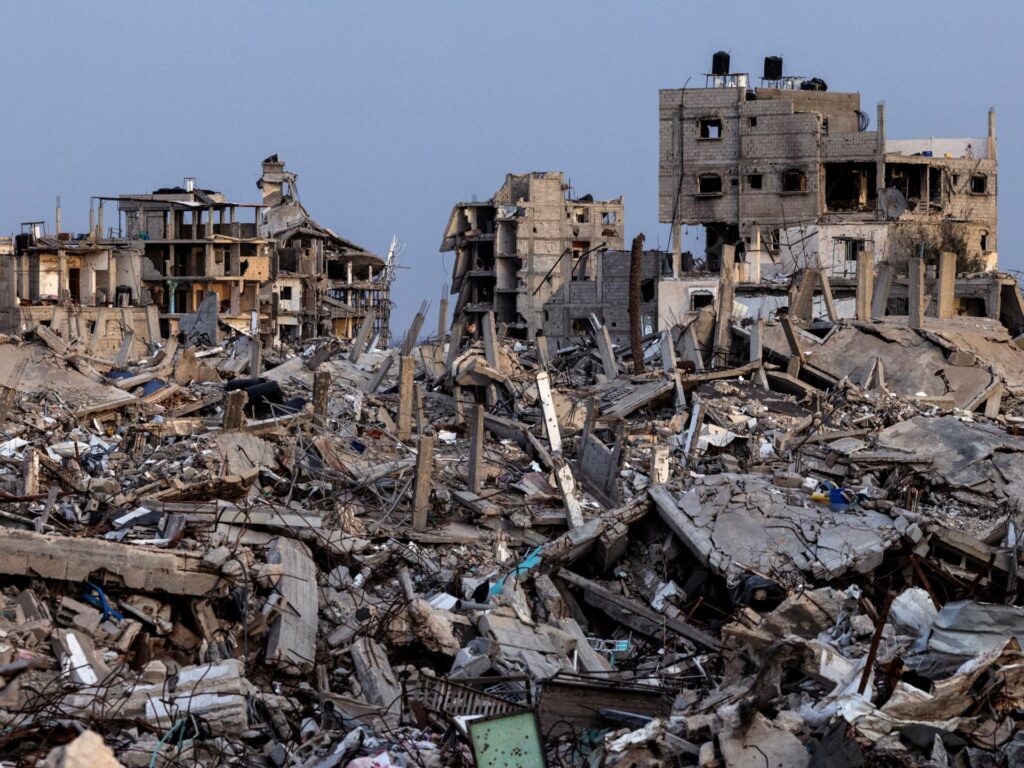
Analysts warn that this proposed camp would effectively segregate and isolate Palestinian communities, exacerbating the humanitarian crisis in Gaza. Such measures are seen to violate international law and human rights norms, contributing to the ongoing suffering of Gaza’s residents.
Moreover, the implementation of facial recognition technology as a sorting mechanism is feared to reinforce discriminatory practices, limiting freedom of movement and access to essential services. Critics argue that this system would create a permanent barrier, effectively denying Palestinians the basic right to return to their homes and lands.
Human rights organizations have called on the international community to intervene and halt these plans, emphasizing the need for respect, dignity, and equitable treatment for all people in the region. The Israeli government has yet to provide detailed public comments on the criticisms, but the backlash highlights the sensitive and volatile nature of ongoing conflicts and the importance of safeguarding human rights.
The situation in Rafah and Gaza remains precarious, with the proposed camp and its planned use of surveillance technology adding another layer of complexity to an already fragile and tense environment. Observers urge restraint, dialogue, and urgent humanitarian interventions to protect vulnerable populations and promote peace.
In the face of these developments, the international community is increasingly focused on the ethical implications of using technology in conflict zones and the need for accountable governance to prevent further harm to civilians. The Rafah camp proposal has become a potent symbol of the intersection between modern surveillance capabilities and long-standing geopolitical conflicts.
This issue continues to unfold, with many hoping for a resolution that respects human rights and paves the way for stability and peace in the region.