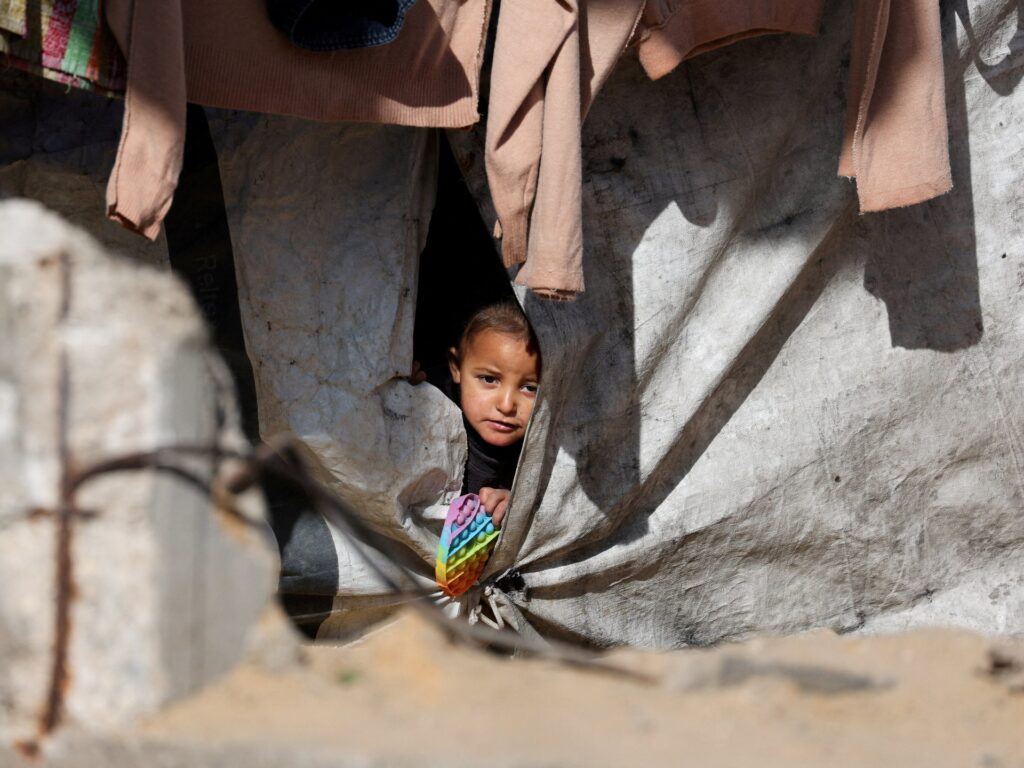
The United Nations has raised grave concerns over the worsening humanitarian crisis in Gaza, highlighting the desperate situation faced by Palestinians due to prolonged closures and Israeli aid blockades. The Rafah crossing, the primary gateway for aid and movement between Gaza and Egypt, remains closed for an extended period, intensifying the widespread suffering among the civilian population.
UN officials stress that the blockade and restrictions significantly impact the most vulnerable groups in Gaza, particularly children. With limited access to food, medical supplies, and essential services, children are bearing the brunt of the crisis, facing heightened risks of malnutrition, disease, and trauma.
The continued restriction of humanitarian aid has led to critical shortages of water, medicine, and electricity in Gaza. Hospitals operate under dire conditions, struggling to provide care amid dwindling resources. The UN has called for urgent action to reopen the Rafah crossing to facilitate the delivery of vital aid and enable families to reunite.
The humanitarian agencies operating in Gaza describe the situation as ‘desperate,’ warning that without immediate intervention, the living conditions will deteriorate further. The blockade’s impact on education, sanitation, and healthcare has long-term consequences for the health and well-being of future generations.
International diplomats and humanitarian organizations are urging all parties to ensure safe and unhindered access to humanitarian supplies. The UN emphasizes the necessity to respect international humanitarian law and protect civilians in conflict zones.
The closure of the Rafah crossing is a critical bottleneck in easing Gaza’s suffering. This border is essential for thousands reliant on aid, including food, fuel, and medical equipment. Its continued shutdown exacerbates the humanitarian emergency, leaving thousands in urgent need without adequate supplies.
Children in Gaza are increasingly vulnerable to the compounded effects of conflict and blockade. UN agencies report rising cases of malnutrition, psychological distress, and lack of access to basic education due to school closures and unsafe environments.
Efforts to negotiate the reopening of the Rafah crossing have been ongoing, with international actors calling for a ceasefire and humanitarian corridors to ensure aid reaches those in desperate need. The UN has reiterated that aid must be delivered without discrimination and purely based on humanitarian principles.
The situation in Gaza remains a critical concern for the global community. The UN’s calls for action highlight that prolonged denial of aid and the closure of border crossings only deepen the crisis, risking a catastrophic humanitarian disaster.
As the world watches, the imperative to protect children and civilians in Gaza grows increasingly urgent. The reopening of the Rafah crossing is not just a matter of logistics but a crucial step to alleviate suffering and uphold human dignity during this dire crisis.