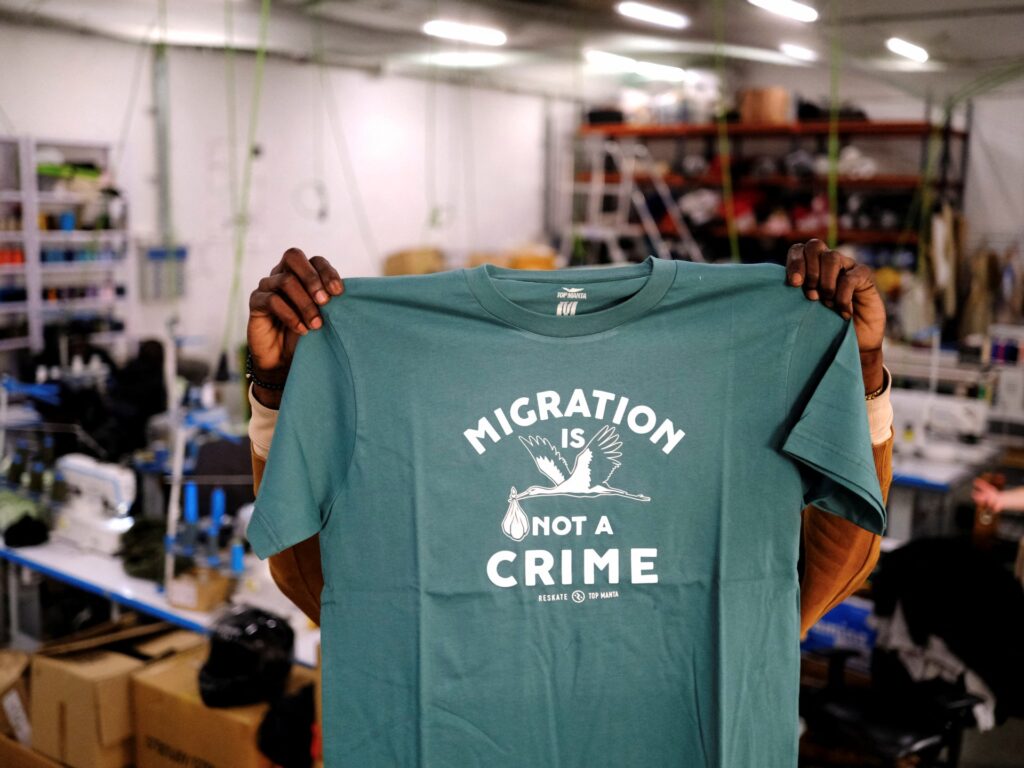
In a significant departure from the increasingly restrictive stance of many Western nations, Spain has chosen a path of openness and inclusion by moving to grant legal status to 500,000 undocumented migrants residing within its borders. This strategic decision reflects Madrid’s acknowledgment of the “positive impact” of migration on the country’s social and economic framework.
While many Western powers have recently enacted policies aimed at tightening borders and reducing the influx of migrants, Spain’s approach marks a striking contrast. The Spanish government argues that integrating undocumented migrants not only benefits the individuals themselves but also contributes positively to the national economy and cultural diversity.
Spain’s plan to regularize the status of half a million migrants comes amid growing debates across Europe and other parts of the world about the challenges and opportunities posed by migration. Critics of restrictive policies often highlight humanitarian concerns and the potential economic contributions of migrants, a perspective Madrid appears to embrace.
The decision also reflects Spain’s ongoing demographic challenges, including an aging population and labor shortages in various sectors. By granting legal status, the government aims to provide migrants with the security necessary to participate fully in the labor market, pay taxes, and contribute to social welfare systems.
Human rights organizations have broadly welcomed the move, viewing it as a model for other countries struggling with similar issues. Regularizing undocumented migrants improves their living conditions, reduces exploitation and abuse, and fosters social cohesion.
The Spanish government, however, acknowledges that this process will require careful implementation and coordination with local authorities to ensure that migrants can access health care, education, and social services effectively.
Statistics indicate that migration has historically played a crucial role in Spain’s economic growth, especially during periods of rapid development and labor demand. With ongoing global migration trends, Spain sees itself positioned to benefit from a well-managed and humane migration policy.
This initiative is also expected to have wider political implications, demonstrating Spain’s commitment to progressive migration policies amidst a broader backdrop of increasing nationalism and anti-immigrant sentiment elsewhere.
The integration process will involve clear criteria to ensure that beneficiaries are contributing members of society, including employment requirements and residency verification. Additionally, the government plans to bolster support programs aimed at education and vocational training to better equip migrants for their new roles.
Spain’s decision signals a realignment of migration policy that prioritizes human dignity, economic pragmatism, and social harmony. It stands as an example to other nations grappling with migration challenges, illustrating the benefits of compassion combined with practicality.
As the situation evolves, Spain’s experience will be closely observed internationally, potentially influencing future migration policies globally. The hope is that such inclusive approaches will promote stability, prosperity, and respect for human rights in an increasingly interconnected world.