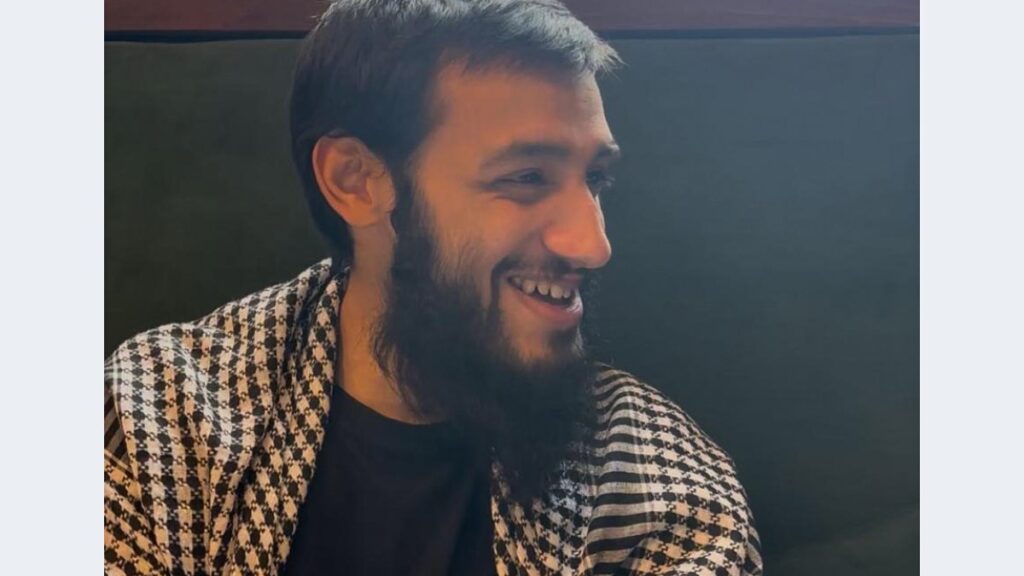
Umer Khalid, a 22-year-old pro-Palestine activist linked with Palestine Action, has ended his hunger and thirst strike after experiencing severe health deterioration while held in a UK prison. Khalid’s protest had garnered significant attention as it highlighted the challenging conditions and political tensions surrounding the Palestinian cause within the prison system. His decision to cease the strike came after reaching a critical point in his health, raising urgent concerns among supporters and human rights organizations.
The activist’s hunger strike, which included refusing both food and liquids, was a form of political protest aimed at drawing attention to the plight of Palestinians and advocating for the rights and freedoms that supporters believe are being denied. Such strikes have historically been a method used by prisoners and activists to spotlight grievances when other channels seem ineffective.
Khalid’s deteriorating condition prompted urgent medical attention and calls for dialogue between prison authorities and representatives of the activist. Health professionals monitored his vital signs closely, with reports indicating that his life was at risk due to dehydration and malnutrition.
Supporters of Khalid urged prison officials to address the concerns that led to the strike, emphasizing the need for fair treatment and transparent communication regarding detainees involved in politically sensitive cases. Palestine Action, the group with which Khalid is affiliated, has been active in campaigning for Palestinian rights, organizing protests, and drawing media attention to the conflict.
The activism of individuals like Khalid underscores the ongoing global attention to the Israeli-Palestinian conflict and the various ways in which it manifests, including through protests in institutions far from the region itself. His striking act of resistance speaks to the deep frustrations felt by many regarding the political situation and the lack of progress toward peace and justice.
The UK prison system’s handling of such politically charged cases remains a topic of debate, with advocates calling for policies that respect detainee rights while maintaining security and order within correctional facilities. Khalid’s case has intensified discussions about the balance between political protest and prison regulations.
Health experts emphasize that hunger and thirst strikes can have grave consequences, including irreversible organ damage and death if prolonged. The response to such protests requires careful negotiation, emphasizing human rights and medical ethics.
Following the end of the strike, Khalid is reportedly receiving ongoing medical care to recover from the effects of his protest. Supporters remain vigilant, advocating for continued attention to his case and the broader issues it represents.
The global community continues to watch closely as Khalid’s situation sheds light on the difficult intersections between activism, incarceration, and human rights advocacy. His protest, though ended, leaves an important legacy regarding the use of nonviolent resistance to highlight critical political issues.