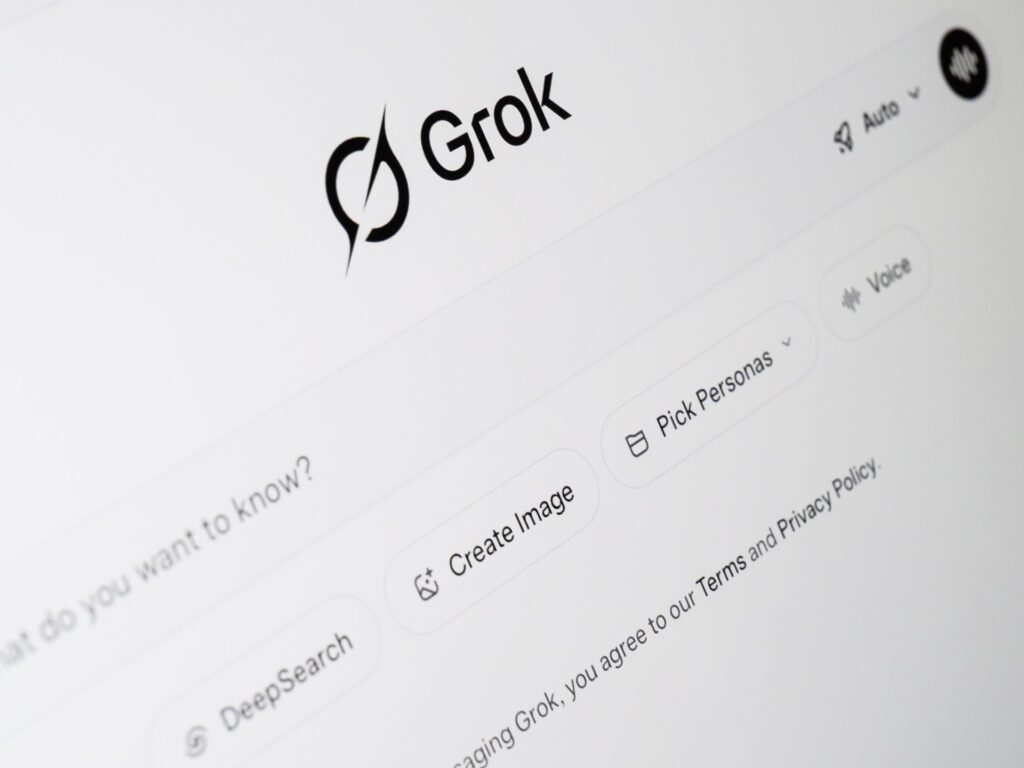
The European Commission has launched an investigation into Elon Musk’s Grok AI feature amid concerns regarding the generation of deepfakes involving women and minors. This probe aims to determine whether the AI tool complies with current legal obligations under EU regulations.
Grok AI is an artificial intelligence tool developed under Musk’s ventures, designed to provide various content generation capabilities. However, recent reports have highlighted the tool’s potential misuse in creating realistic but fabricated images or videos, known as deepfakes, raising serious ethical and legal questions.
Deepfakes have become a significant issue globally, as they can be used to spread misinformation, defame individuals, and manipulate public opinion, among other harms. The use of such technology especially becomes problematic when it involves vulnerable groups like women and minors, who may be subjected to unwanted exposure or exploitation.
The European Commission’s investigation will closely analyze Grok AI’s data practices, the robustness of its content generation safeguards, and adherence to privacy and safety standards mandated by EU law. This includes compliance with the Digital Services Act (DSA) and the General Data Protection Regulation (GDPR), which set strict rules for digital content providers and AI applications.
In this context, the EU aims to ensure that emerging AI technologies do not infringe on fundamental rights or facilitate illegal activities. Musk’s Grok AI, given its advanced capabilities, falls under scrutiny to establish whether it can be safely integrated into public use without breaching ethical and legal frameworks.
The investigation underscores the broader EU commitment to regulating AI in ways that protect citizens, especially those who can be disproportionately affected by misuse. It also highlights the challenge regulators face in balancing innovation and safety in rapidly evolving technological fields.
Elon Musk’s portfolio of companies frequently intersects with cutting-edge technologies, drawing both enthusiasm and regulatory attention. As AI tools become more sophisticated and accessible, incidents involving the misuse of AI-generated content prompt calls for clearer guidelines and stronger oversight.
The Commission’s probe will consider input from experts, stakeholders, and possibly affected parties, as part of a comprehensive approach to understanding the risks and impacts associated with Grok AI.
If violations are found, consequences could include mandates for stricter controls, penalties, or requirements for transparency improvements, aiming to mitigate harms linked to deepfakes and protect individual rights.
This move fits within a global trend of governments scrutinizing AI systems to prevent misuse and uphold ethical standards, especially as AI-generated content becomes increasingly convincing and widespread.
The outcome of the EU’s investigation will likely influence future regulatory frameworks for AI across Europe and potentially beyond, shaping how AI developers ensure responsible creation and deployment of their technologies.
As the situation evolves, stakeholders and users of Grok AI await further details and eventual decisions from the European Commission, which echo wider conversations on the role of governance in technological innovation.
This case demonstrates ongoing challenges in AI oversight and the importance of proactive governance to safeguard societal interests while fostering technological progress.