Israel has announced the recovery of the remains of Ran Gvili, its last captive held in Gaza. This significant development could mark a pivotal turning point in the ongoing conflict and diplomatic efforts between Israel and Gaza. Ran Gvili’s captivity symbolized the deep-rooted tensions and ongoing hostilities in the region, and his recovery offers a glimmer of hope for the involved parties.
The retrieval of Gvili’s body isn’t just a humanitarian matter but a critical step toward advancing the ceasefire agreement that seeks to halt further violence. Following this recovery, it is anticipated that both sides might move forward to initiate the next phase of peace talks or arrangements, aiming to stabilize the volatile situation.
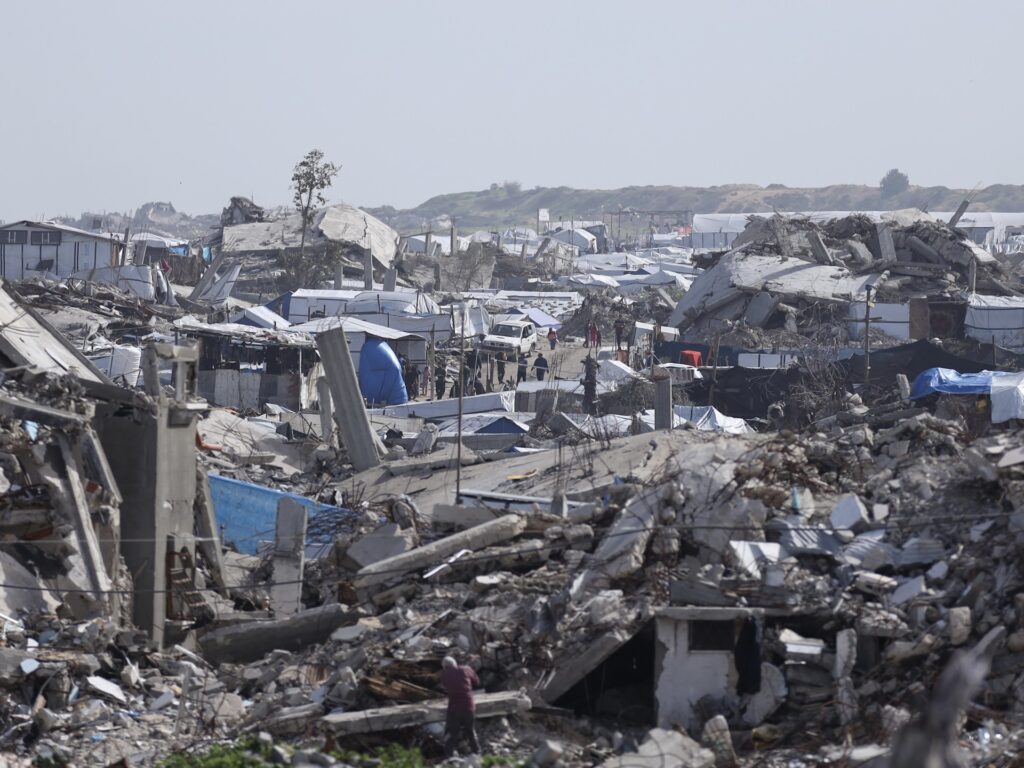
One of the key components of this next phase includes the reopening of the Rafah crossing, a crucial border point between Gaza and Egypt. The Rafah crossing serves as a vital gateway for the movement of people, humanitarian aid, and essential goods to and from Gaza. Its reopening could significantly alleviate the humanitarian crisis and foster a more conducive environment for dialogue and reconciliation.
The previous phases of the ceasefire have been fragile, punctuated by sporadic clashes and mistrust on all sides. The confirmation of recovery of the remains is expected to build some measure of trust and goodwill necessary for the ceasefire to hold longer and for negotiations to gain momentum.
Israeli officials have expressed cautious optimism about this development, emphasizing the need to continue diplomatic efforts and ensure that all parties abide by ceasefire terms. This event brings renewed attention to the broader conflict and the urgent need for a sustainable resolution that addresses both security concerns and humanitarian needs.
Efforts by international mediators and organizations remain critical in supporting the peace process, providing humanitarian assistance, and monitoring compliance with ceasefire agreements. The recovery of Ran Gvili’s remains serves as a reminder of the human cost of the conflict and the importance of striving for peace.
In summary, the retrieval of Ran Gvili’s body from Gaza is a significant and somber milestone in the complex Israel-Gaza conflict. It signals a potential shift toward the implementation of the next ceasefire phase, including reopening the Rafah crossing, which could improve humanitarian conditions and reduce hostilities. Stakeholders remain vigilant yet hopeful as diplomatic efforts continue to seek an enduring peace in the region.