In the latest development on the Gaza conflict front, the Israeli military has announced the launch of a ‘targeted operation’ in northern Gaza aimed at locating the body of the last captive. This operation highlights the continuing tensions and complex dynamics in the region as efforts to resolve ongoing hostilities remain fraught with challenges.
Simultaneously, there are reports suggesting that Israel is considering reopening Gaza’s Rafah crossing, a crucial gateway that links the Gaza Strip to Egypt. This development has sparked a wave of skepticism among Palestinians, who question the intentions and implications of such a move given the recent escalations and the current humanitarian situation.
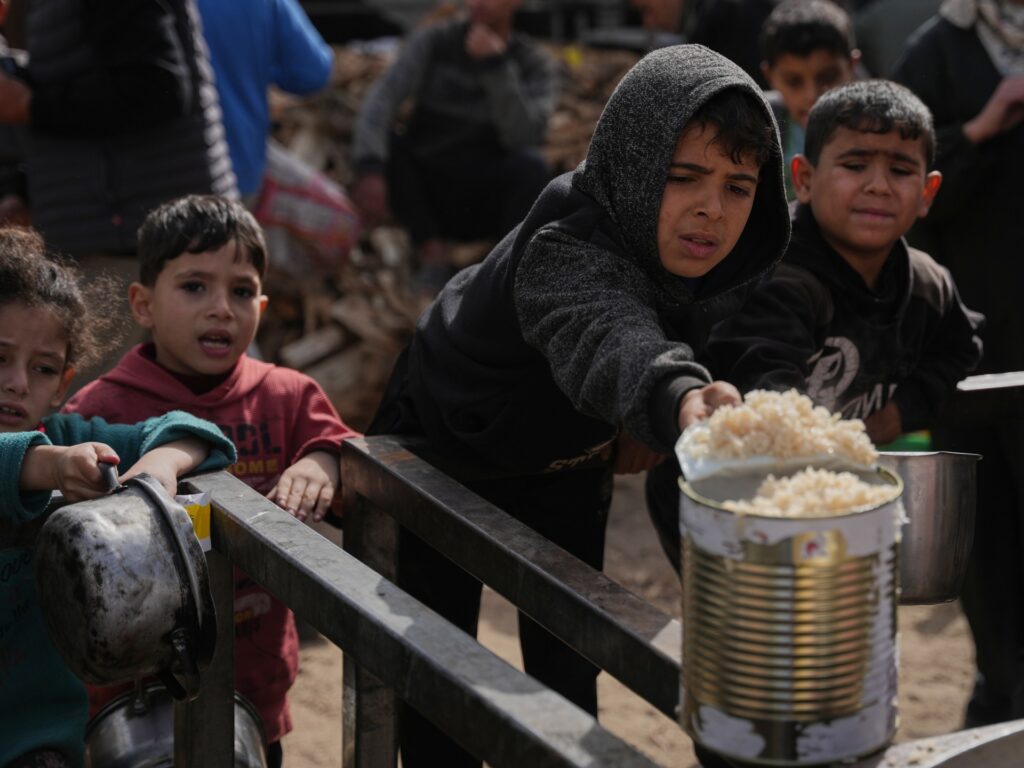
The Rafah crossing has long been a vital passage for the movement of people and goods, often serving as a lifeline for the besieged population of Gaza. Its closure at various times has significantly impacted the daily lives and welfare of Palestinians residing in the territory. The potential reopening is thus viewed with cautious optimism but also disbelief among many on the ground.
Palestinians’ doubts stem not only from historical context, where closures have often been followed by renewed violence or restrictions but also from the opaque nature of military and political maneuverings related to the crossing’s status. There is a prevailing concern that reopening might be a tactical rather than a humanitarian decision, possibly linked to the targeted operation or broader strategic objectives.
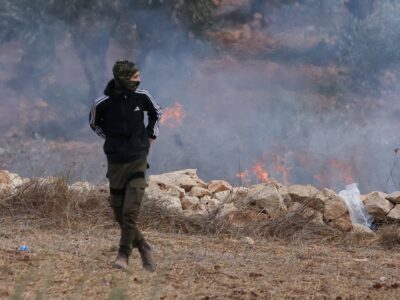
The Israeli military’s targeted operation in northern Gaza is reportedly focused on recovering the remains of a captive, underscoring the personal and national stakes involved in the conflict. Such operations often exacerbate local tensions, provoke further military responses, and complicate diplomatic efforts toward peace and stability.
Observers note that any change in the status of the Rafah crossing, especially in the context of ongoing military activity, will have significant implications for access to essential services, humanitarian aid, and freedom of movement for Gazans. The crossing’s operation is also critical for Egypt, which plays a central role in mediating and managing border control in the region.
International responses remain varied, with calls for renewed dialogue, increased humanitarian assistance, and efforts to protect civilian lives amidst the ongoing conflict. The reopening of the Rafah crossing, if it proceeds, will be closely monitored by governments, NGOs, and community leaders as an indicator of possible shifts in the conflict dynamics.
Meanwhile, the targeted operation signifies ongoing military engagements that show no immediate signs of de-escalation. The Israeli military asserts that finding the last captive’s body is a priority, reflecting the deep national importance and emotional weight attached to such recoveries.
In summary, the situation at Gaza’s Rafah crossing and the Israeli military’s targeted operation represents a microcosm of the broader and deeply entrenched conflict. Palestinians’ skepticism reflects a history of mistrust and hardship, underscoring the profound challenges in achieving a sustainable resolution and ensuring the safety and dignity of all civilians involved.