As the situation in Gaza remains tense, pressure continues to build on Israeli Prime Minister Benjamin Netanyahu to open the Rafah crossing, a critical gateway for humanitarian aid and movement. The Rafah crossing, located on the border between Gaza and Egypt, is vital for the inflow of medical supplies, food, and essential goods for the beleaguered population in Gaza.
The Israeli military has recently announced the launch of a ‘targeted operation’ in northern Gaza aimed at recovering the body of the last captive, intensifying the already fraught environment in the region. This operation underscores the ongoing security challenges and the complex dynamics faced by Israel as it balances military objectives with humanitarian concerns.
International actors and human rights organizations have voiced growing concern over the humanitarian crisis unfolding in Gaza, calling on Israel to facilitate the opening of the Rafah crossing. Such an opening would allow critical aid to reach civilians and provide an exit route for those seeking refuge from conflict zones.
Prime Minister Netanyahu is under increasing scrutiny both domestically and internationally as questions arise about the strategy and timing of opening the Rafah crossing. The decision carries significant weight, with implications for security, diplomacy, and the humanitarian situation.
The Rafah crossing has been a focal point in the ongoing conflict, with closures often leading to severe shortages of medical supplies, food, and water. Its opening could ease some of the suffering but also presents challenges related to border security and the movement of people.
The Israeli military’s operation reflects the heightened emphasis on securing the release and dignified handling of hostages and captives, amidst a backdrop of ongoing hostilities and complex political negotiations.
Observers note that any move to open the Rafah crossing will require delicate coordination with Egyptian authorities, international organizations, and various factions within Gaza.
Detailed reports suggest that the targeted operation in northern Gaza is part of a broader strategy to consolidate security control and address the fate of captive individuals, which remains a critical concern for the Israeli government and its citizens.
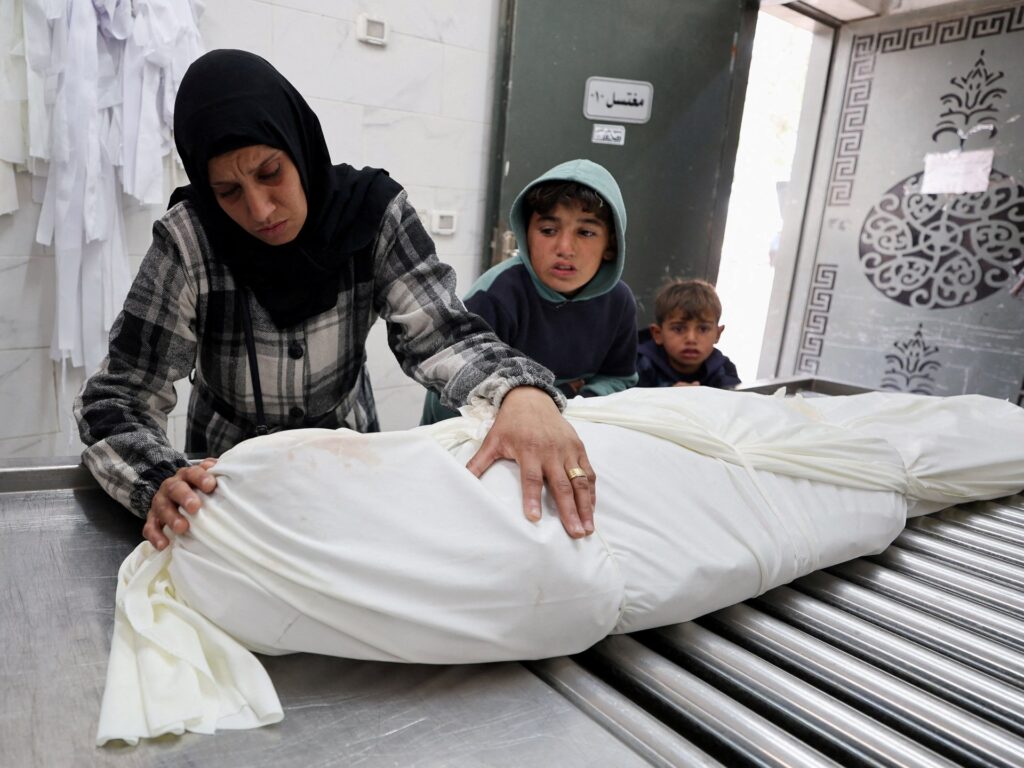
The humanitarian implications of the conflict continue to draw global attention, highlighting the urgent need for dialogue and measures that prioritize civilian safety while addressing the security concerns of all parties involved.
As the international community watches closely, Prime Minister Netanyahu’s forthcoming decisions on the Rafah crossing will likely influence the trajectory of the conflict and the prospects for humanitarian relief in Gaza.