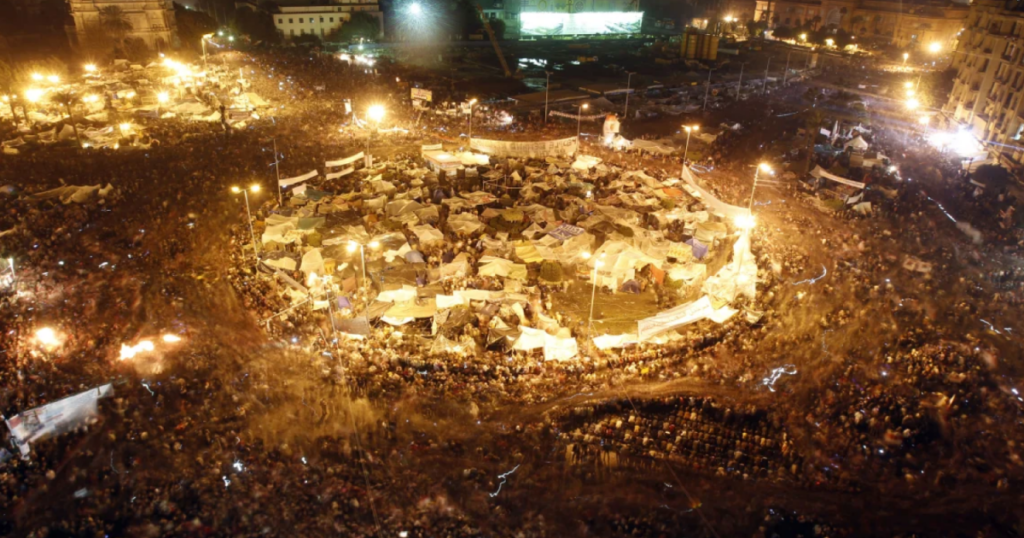
The 2011 Arab Spring protests marked a significant turning point in Egypt’s modern history, leading to the removal of longtime President Hosni Mubarak. More than a decade later, one-third of the Egyptian population—approximately 37 million people—have no personal memory of these historic events. This new generation, born after the revolution, has grown up in a country shaped by political upheaval, social change, and economic challenges.
The Arab Spring, which began in late 2010 and spread rapidly across the Arab world, saw Egyptians take to the streets demanding political freedom, economic reform, and an end to corruption. The protests culminated in Mubarak’s resignation in February 2011, after nearly 30 years in power. However, the years following the revolution have been marked by turbulence, including successive governments, military interventions, and ongoing debates about the country’s direction.
With one-third of the population born after 2011, their understanding of Egypt’s recent history is shaped largely by education, family narratives, and media portrayals rather than direct experience. This demographic shift poses unique challenges and opportunities for Egyptian society.
On the one hand, younger Egyptians may feel less connected to the legacy of the Arab Spring protests, potentially affecting their engagement with political and social issues. The lack of firsthand memory could influence how history is taught and commemorated, shaping national identity for future generations.
On the other hand, this new generation has grown up during a time of rapid technological advancement and increased access to information. Their perspectives are influenced by global trends, social media, and new cultural dynamics. They represent a vital force for shaping Egypt’s future economic and political landscape.
Experts suggest that understanding the attitudes and aspirations of these 37 million young Egyptians is crucial for policymakers and civil society. Efforts to foster dialogue, education, and civic engagement tailored to this generation could bridge the gap between past and present.
The demographic reality underlines the importance of inclusive policies that address the needs of youth in areas such as employment, education, and political participation. As Egypt continues to navigate its post-Arab Spring era, the voices of its youngest citizens will be essential in determining the country’s path forward.
In summary, the fact that a significant portion of Egypt’s population has no memory of the 2011 Arab Spring protests highlights a generational shift with deep implications. While this group inherits the legacy of a nation transformed by revolution, their unique experiences and views will shape the next chapter in Egypt’s ongoing story.