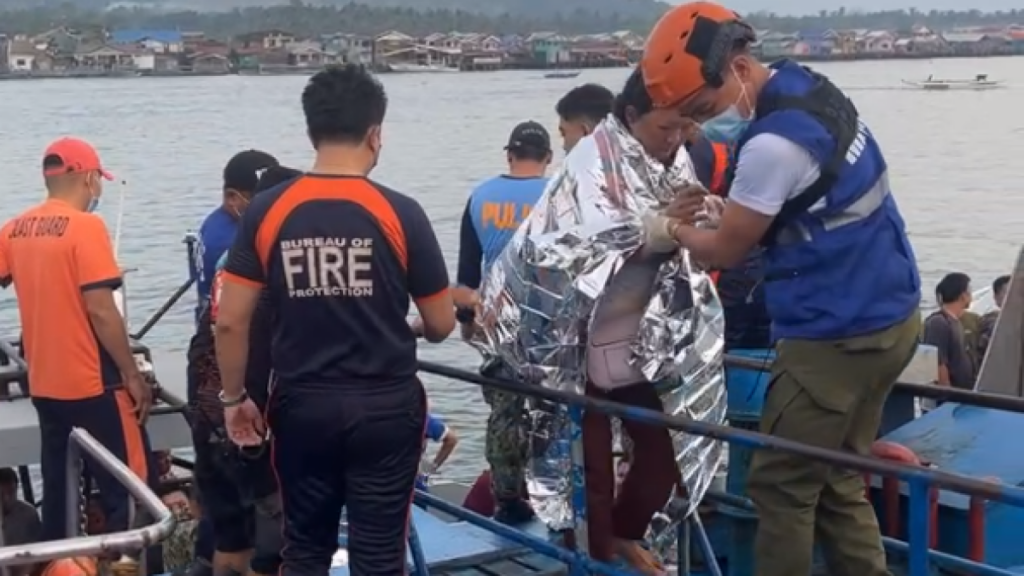
A devastating maritime accident occurred recently in the Philippines when a ferry carrying over 350 passengers sank, leading to the tragic loss of at least seven lives. The incident has stirred significant concern and prompted immediate rescue operations by local authorities and the Coast Guard.
The ferry, which was reportedly overcrowded, went down under circumstances that are still under investigation. Eyewitness accounts and initial reports suggest that rough sea conditions might have played a role in the disaster.
According to the Coast Guard, at least 215 people have been successfully rescued from the ill-fated vessel. The rescue teams have been working tirelessly to locate and save as many passengers as possible. The operation remains active with a search ongoing for approximately 144 individuals who are still reported missing.
The Philippine authorities have mobilized a substantial number of rescue personnel and vessels to intensify the search efforts, using both maritime and aerial resources. The community and relatives of the passengers are anxiously awaiting more news, while officials have assured that no stone will be left unturned in the rescue mission.
This tragic event highlights concerns about maritime safety standards and enforcement in the region. The government has pledged to conduct thorough investigations into the cause of the sinking and to implement stricter safety regulations to prevent future incidents.
In response to the tragedy, emergency services and humanitarian organizations have offered support and assistance to the victims’ families. Counseling services and relief efforts are being organized to aid those affected by the disaster.
The incident has also sparked a national conversation about the need to improve the safety infrastructure of sea travel, especially given the high reliance on ferries as a mode of transportation in the Philippines, an archipelagic nation.
As the search continues, authorities remain hopeful for more survivors but are also preparing for the possibility of additional casualties. The loss is a stark reminder of the dangers faced by millions who depend on maritime travel daily.
The government and maritime agencies are calling for calm and cooperation from the public as they navigate this challenging situation. Updates will be provided as new information becomes available.
In summary, the ferry sinking in the Philippines represents one of the recent major maritime disasters in the country, resulting in loss of life, ongoing search operations, and a wave of support for the victims and their families. The focus remains on rescue, recovery, and prevention measures to safeguard the lives of passengers in the future.