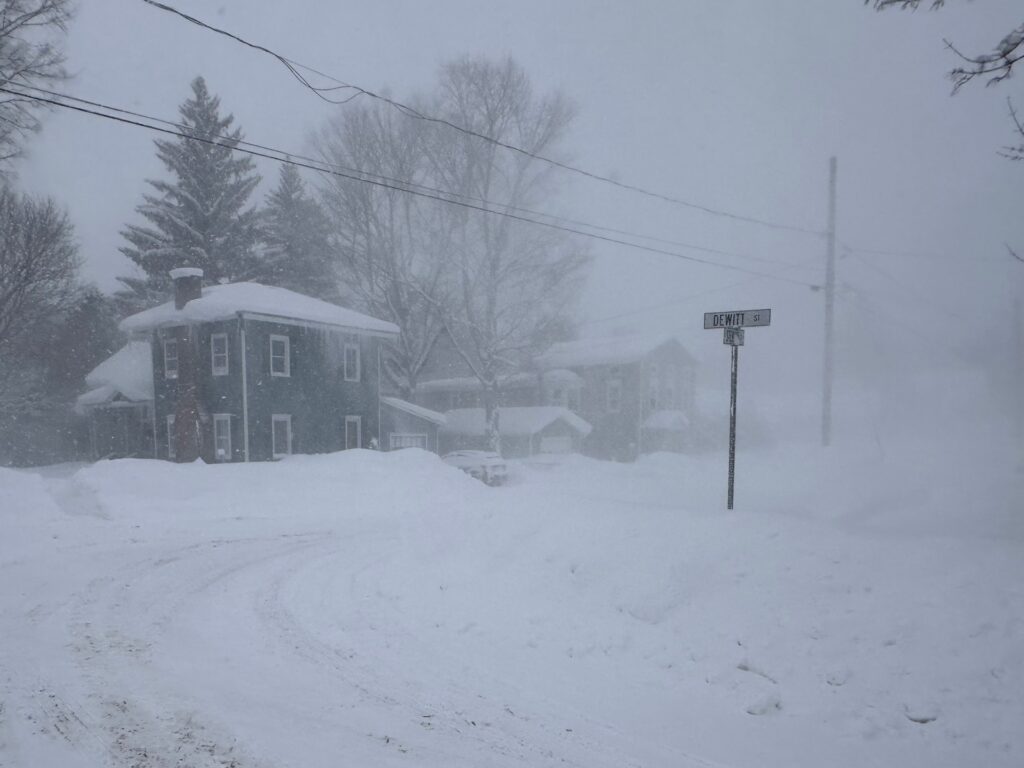
A historic storm has swept across the United States, causing widespread disruption to flights and leaving more than 100,000 people without power. This major weather event has affected nearly half of the country’s population, bringing dangerously frigid temperatures and significant travel chaos nationwide.
The storm’s impact on air travel has been particularly severe, with numerous flights canceled or delayed at major airports. Passengers have faced long waits and logistical challenges as airlines attempt to manage the disruptions. Authorities have urged travelers to check flight statuses and plan accordingly as the storm continues to affect air traffic.
Power outages have compounded the difficulties, with over 100,000 residents experiencing blackouts in multiple states. Utility companies are working around the clock to restore electricity, but the harsh conditions are slowing repair efforts. Emergency services have been mobilized to assist vulnerable populations, particularly those in areas hardest hit by the storm.
Meteorologists warn that the storm’s cold temperatures pose serious health risks, including hypothermia and frostbite, especially for those without heating due to power outages. Residents are advised to take precautions, stay indoors, and seek shelter if necessary.
The storm’s reach extends from the northern states down to the southern regions, disrupting normal life and causing significant economic impact. Schools and businesses have closed in several areas, and road conditions remain hazardous due to ice and snow.
Government officials at the federal, state, and local levels are coordinating response efforts to mitigate the storm’s effects and provide relief to affected communities. Resources have been allocated for emergency shelters, heating centers, and additional support services.
This historic weather event highlights the vulnerability of infrastructure and communities to extreme weather. Experts emphasize the importance of preparedness and resilience in the face of climate challenges, as such storms may become more frequent and intense in the future.
As the storm moves through the U.S., authorities continue to monitor conditions and issue updates to keep the public informed and safe. People are encouraged to follow official guidance and stay tuned to weather reports for the latest information.
In summary, the historic storm has severely disrupted travel, left thousands without power, and posed significant threats to safety and daily life across half of the United States. Ongoing efforts aim to restore normalcy as quickly as possible while safeguarding public health and well-being.