The ongoing Russia-Ukraine war has witnessed a grim development as both Kyiv, the capital of Ukraine, and Kharkiv, a key northeastern city, came under attack in the latest overnight strikes. The assaults, attributed to Russian forces, have further escalated tensions despite ongoing peace talks aimed at de-escalating the conflict.
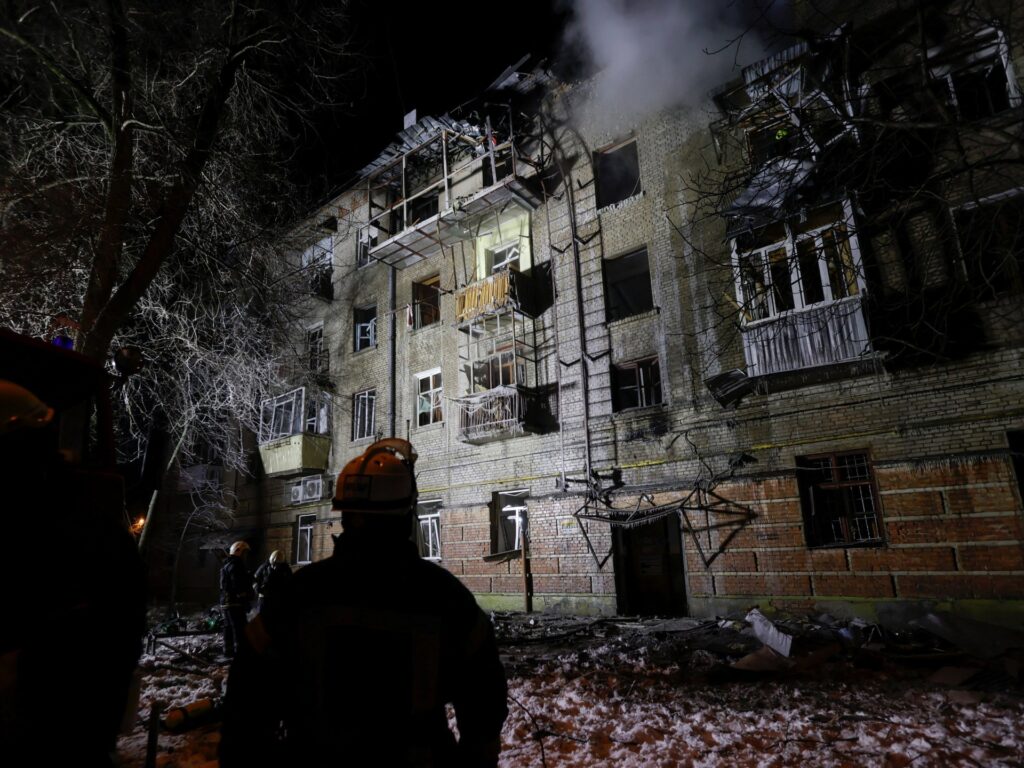
In the early hours, the capital city Kyiv experienced a series of missile and artillery strikes targeting civilian and military infrastructures. Reports indicate that the attacks resulted in at least one fatality, with several others injured. Emergency services and medical teams have been deployed to assist the victims and manage the aftermath of the bombings.
Simultaneously, the city of Kharkiv, known for its strategic importance and size, was also hit by Russian artillery. The strikes focused on residential areas and key urban facilities, causing damage to multiple buildings and infrastructure. Local authorities confirmed casualties but have yet to provide a full count.
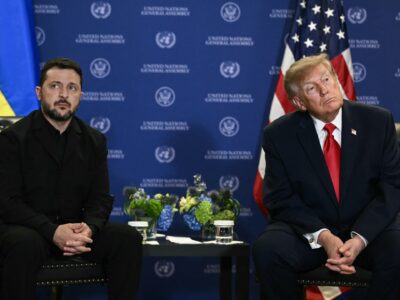
These attacks come at a time when diplomats and leaders from both nations, alongside international mediators, are engaged in ongoing peace talks. The war, now in its extended phase, has caused extensive human suffering and widespread destruction across Ukraine. The unexpected aggression during negotiations has sparked international concern and condemnation.
The Ukrainian government has condemned the assaults as acts of aggression aimed at undermining peace efforts. Officials emphasized the resolve of the Ukrainian people and military to defend their sovereignty and ensured that peace remains the ultimate goal.
Russia, on the other hand, has disputed some of the attack reports, framing the strikes as military operations targeting legitimate military objectives. The Kremlin’s stance highlights the complex narrative surrounding the conflict and the challenges in achieving a ceasefire.
International reactions have been swift. The United Nations called for an immediate cessation of hostilities and urged both sides to return to the negotiation table with renewed commitment. Meanwhile, Western nations, including the United States and European Union members, expressed strong support for Ukraine’s sovereignty and condemned Russia’s actions.
Humanitarian concerns are mounting as the conflict continues to disrupt civilian life and access to essential services. Aid organizations have reiterated calls for safe corridors and increased humanitarian assistance to affected populations.
The recent attacks underscore the fragility of the current peace dialogues and the volatility of the situation on the ground. Analysts warn that without substantive progress in negotiations and a reduction in military aggression, the conflict risks further destabilization with severe regional and global implications.
Despite the bleak outlook, efforts toward dialogue and peace remain critical. The international community continues to push for diplomatic solutions while preparing to provide support to victims and rebuild impacted communities.
The situation remains fluid, with ongoing monitoring by international observers and media to report real-time developments. Citizens in Kyiv and Kharkiv, along with the rest of Ukraine, brace for potential further escalations as the war persists.
This latest chapter in the Russia-Ukraine conflict highlights the profound human cost of protracted warfare and the critical need for enduring peace.