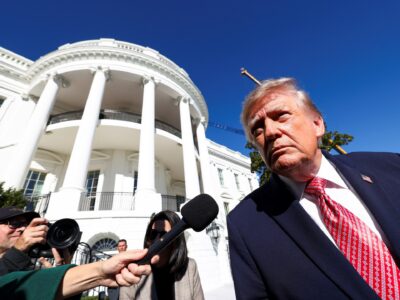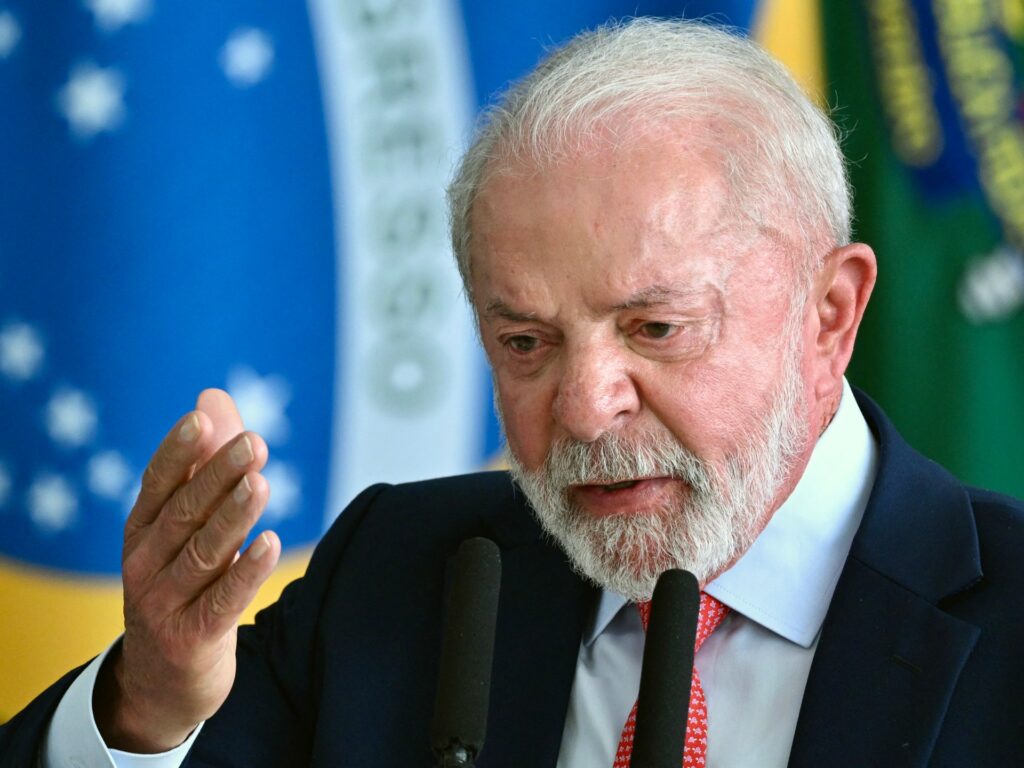
In a recent political discourse, Brazilian President Luiz Inácio Lula da Silva expressed serious concerns over former U.S. President Donald Trump’s latest international initiative. Lula accused Trump of attempting to “create a new UN,” signaling a potential fragmentation of current global governance structures. This statement came in the wake of Trump’s invitation extended to Israeli Prime Minister Benjamin Netanyahu to join a newly proposed ‘Board of Peace.’ Notably, this new initiative’s charter conspicuously omits any mention of Gaza, a critical point of concern in Middle Eastern geopolitics.
Lula’s criticism highlights the potential risks such unilateral maneuvers pose to established international organizations like the United Nations, which has historically played a central role in mediating peace and coordinating global efforts. The Brazilian leader’s comments suggest that Trump’s move could undermine established diplomatic channels and complicate ongoing peace processes, especially in the volatile Middle East region.
Trump’s proposal to form a ‘Board of Peace’ seems intended to create a new platform for dialogue, but by excluding Gaza, a major flashpoint in Israeli-Palestinian conflict, many observers worry it might lack inclusivity and legitimacy. The absence of Gaza in the charter raises questions about the initiative’s comprehensiveness and neutrality, potentially limiting its effectiveness in achieving lasting peace.
Brazil, under Lula’s leadership, has consistently advocated for multilateralism and strengthening the United Nations. Lula’s remarks reflect his commitment to preserving these principles amidst shifting geopolitical currents. His cautionary stance serves as a reminder of the importance of inclusive diplomacy and the potential consequences of sidelining established international entities.
The international community is now watching closely to see how Trump’s initiative will unfold and whether it will invite cooperation or sow further division. Lula’s vocal opposition underscores the ongoing debates about the best approaches to global governance and peacebuilding.
As tensions remain high in the Middle East, the stakes for effective and inclusive peace initiatives have never been greater. Lula’s intervention emphasizes the need for comprehensive strategies that consider all affected parties, including Gaza, to achieve durable solutions. This episode adds to the complex tapestry of international relations and the evolving nature of diplomacy in the 21st century.