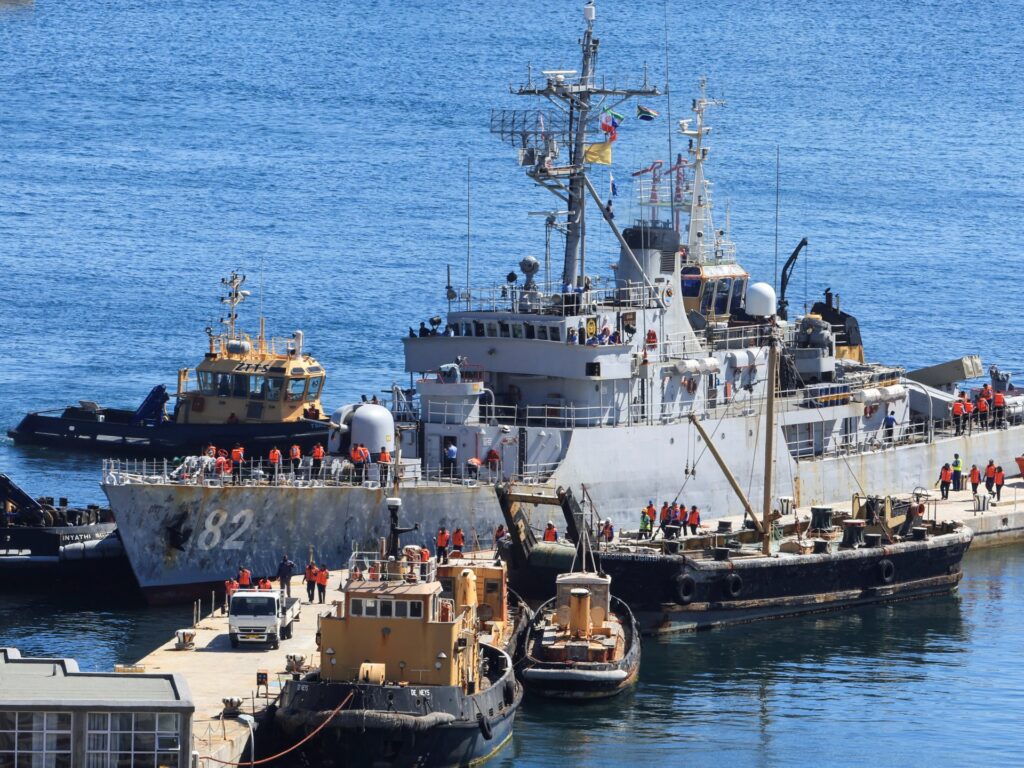
South Africa’s decision to host Iran’s naval forces during the BRICS maritime exercises has sparked controversy both internationally and domestically. The United States has expressed significant concern over Iran’s inclusion, citing worries about regional security implications and the message it sends regarding alliances and naval cooperation. Within South Africa, the government’s move to include Iran has led to friction among political factions and officials, who fear diplomatic and economic repercussions, particularly from Western partners.
The BRICS naval drills are a high-profile event involving Brazil, Russia, India, China, and South Africa, aiming to demonstrate military cooperation and strategic maritime capabilities among emerging powers. Iran’s participation, facilitated by South Africa, marks an unusual expansion of these exercises to include a non-member facing substantial international scrutiny and sanctions due to its contentious nuclear program and geopolitical activities.
South Africa’s motivation for inviting Iran stems from its desire to strengthen ties with fellow Global South nations and to project an independent foreign policy stance that challenges Western dominance. However, this decision has provoked criticism that it might undermine South Africa’s image as a mediator in international conflicts and jeopardize its relationships with Western nations, especially given the US’s strong opposition to Iran’s military engagements.
Domestic critics argue that by hosting Iran’s navy, South Africa risks becoming entangled in broader geopolitical tensions, potentially attracting economic sanctions or damaging trade relations. The dissent within the South African administration highlights concerns over the lack of consensus and the balancing act between upholding sovereignty in foreign policy and maintaining beneficial international alliances.
In summary, South Africa’s upset over Iran joining the BRICS naval drills is rooted in the complex interplay of international pressure, domestic opposition, and strategic calculations about its role on the world stage. The controversy underscores the challenges faced by emerging powers in navigating global diplomacy amid competing geopolitical interests.