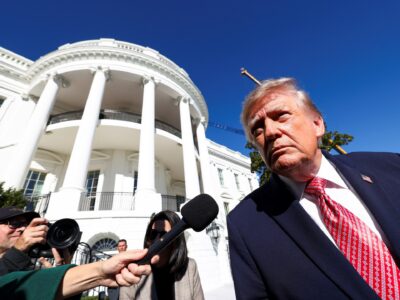
At the World Economic Forum in Davos, a recent statement by former President Donald Trump sparked confusion regarding Greenland’s historical status. Trump implied a transactional aspect to Greenland involving the United States and Denmark, suggesting that the US gave Greenland back to Denmark. However, this representation overlooks crucial historical facts about Greenland’s sovereignty and its relationship with both nations.
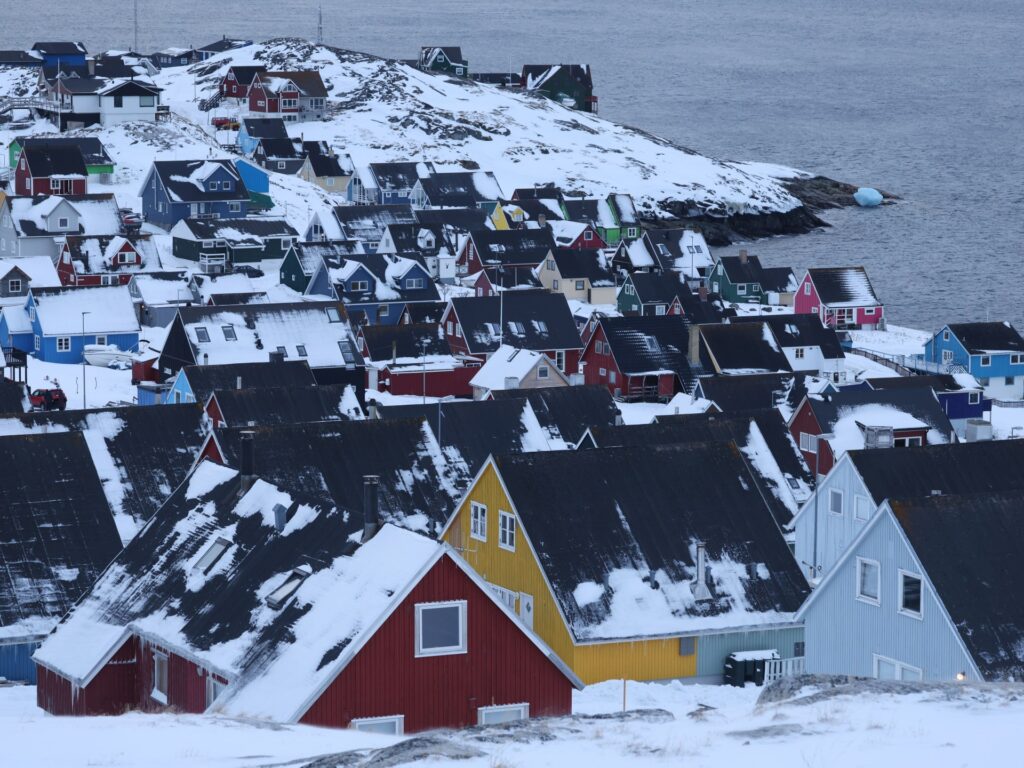
Greenland is the world’s largest island and is an autonomous territory within the Kingdom of Denmark. Its strategic location in the Arctic region has long made it an area of interest to world powers, particularly during global conflicts such as World War II.
During that war, the United States took an active role in defending Greenland. This was part of a broader strategic approach to securing the North Atlantic region against Axis powers. The U.S. established military bases and maintained a presence on the island to prevent any hostile occupation.
However, the crucial point often omitted in casual references like those made by Trump is that the United States never exercised sovereignty over Greenland. The island remained under Danish administration throughout and retains that status to this day. The U.S. presence was purely military and strategic, based on agreements with Denmark, rather than ownership or governance.
Greenland has been under Danish rule since the early 18th century. Its designation as a Danish territory was internationally recognized long before World War II. With that historical context, the notion of the U.S. ‘giving back’ Greenland to Denmark is historically inaccurate.
In recent years, the strategic importance of Greenland has again come into the spotlight due to climate change and increased accessibility to the Arctic. This has led to renewed discussions about Greenland’s autonomy and potential independence, separate from Danish or American control.
Former President Trump’s interest in purchasing Greenland during his presidency added a layer of political intrigue but did not change its sovereign status. Denmark and Greenland officials swiftly rejected the idea, affirming that Greenland is not for sale.
Experts emphasize that while the United States and Denmark have had a cooperative relationship concerning Greenland, the island’s status as part of the Danish Kingdom is well established. The U.S. military’s presence is tied to agreements rather than claims of sovereignty.
Understanding Greenland’s history is key to appreciating the sensitivity and complexity of its geopolitical status. Simplifying the narrative to suggest that Greenland was once under U.S. rule or that it was ‘returned’ ignores decades of established territorial law and international agreements.
As the world continues to focus on the Arctic for its resource potential and strategic value, accurate historical perspectives will be essential in diplomatic and political discussions. Misstatements like those made at Davos underscore the importance of nuanced knowledge when addressing international territories with complex histories.
In summary, Greenland remains an autonomous Danish territory, never a U.S. possession, and the narrative that the U.S. gave it back to Denmark is a misinterpretation of historical facts. This clarity is critical as stakeholders consider Greenland’s future in the global arena.