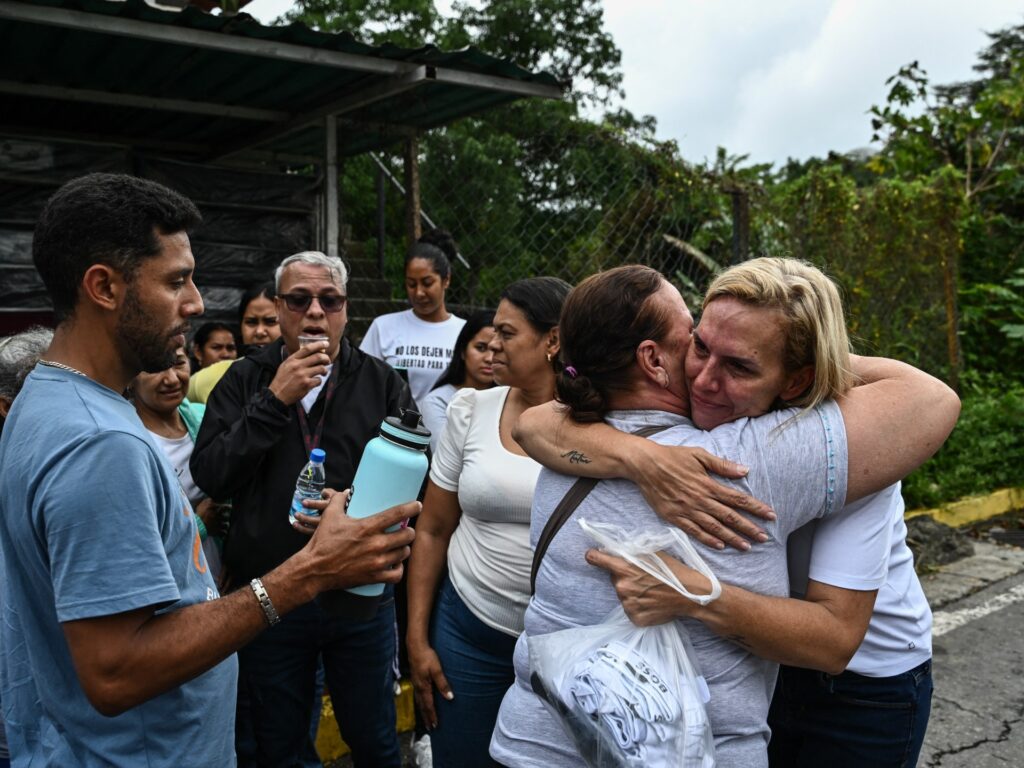
Rafael Tudares Bracho, the son-in-law of prominent Venezuelan opposition figure Edmundo Gonzalez, has been released following a period of detention. Bracho, who is married to Gonzalez’s daughter, was arrested in the tense days leading up to the third inauguration of President Nicolás Maduro. This arrest had raised concerns among human rights advocates and international observers, who viewed it as part of a broader crackdown on political dissent ahead of Maduro’s new term.
The context of the arrest is crucial, as Venezuela has long been embroiled in political turmoil, with opposition members often facing arrest and repression. Edmundo Gonzalez, known for his critical stance against Maduro’s government, has been a vocal advocate for democratic reforms and has drawn the ire of the ruling administration. His son-in-law’s detention was perceived as an attempt to intimidate Gonzalez and others affiliated with him.
Details surrounding Bracho’s arrest were initially scarce, fueling speculation and prompting calls from various groups demanding his immediate release. Human rights organizations emphasized the importance of due process and decried the use of arbitrary detention tactics against political opponents.
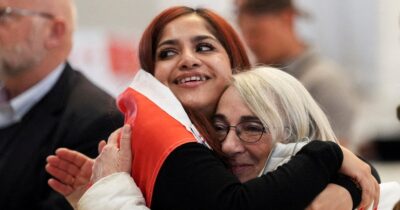
Following international pressure and local advocacy, the Venezuelan authorities have now freed Rafael Tudares Bracho. The precise terms of his release remain unclear, but it marks a significant development amid ongoing tensions between the government and opposition political forces.
This incident underscores the fragile political climate in Venezuela, where the government continues to face criticism for its handling of dissenters and political adversaries. The release may serve as a conciliatory gesture or a response to escalating international scrutiny.
Edmundo Gonzalez has not released an official statement yet regarding his son-in-law’s release, but sources close to the family indicate relief mixed with continued caution about future political developments. Gonzalez’s supporters are hopeful this could be the beginning of easing repression against opposition figures.
Maduro’s third inauguration was a pivotal event, reflecting his sustained grip on power despite significant economic and social challenges in Venezuela. The international community remains divided on recognizing Maduro’s legitimacy, with some countries continuing to support the opposition’s calls for free and fair elections.
Rafael Tudares Bracho’s arrest and subsequent release highlight the ongoing struggle for political freedom and human rights in Venezuela. As the nation navigates a complex political landscape, the importance of safeguarding democratic principles remains a paramount concern for both domestic actors and the global community.
This episode adds to the narrative of political friction and the quest for stability in Venezuela. Observers will be watching closely to see how this release influences the broader political dynamics and whether it signals a shift towards more open political engagement or perpetuates the existing patterns of repression.