During a recent meeting at the World Economic Forum in Davos, former U.S. President Donald Trump announced that he and Dutch Prime Minister Mark Rutte had reached a ‘framework of a future deal’ concerning Greenland. This surprising news has captured global attention, prompting questions about the specifics and implications of the agreement.
While details remain scarce, here’s what we currently know and what remains unclear about the deal:
What We Know:
1. Announcement Context: Trump disclosed the development during a conversation with the media at Davos, indicating a collaborative discussion with NATO ally Mark Rutte.
2. Framework Agreement: The term ‘framework’ suggests an initial outline or understanding rather than a detailed, finalized treaty.
3. Strategic Interest: Greenland has long been a strategic point due to its geographic location and natural resources, hinting at the high-level strategic importance of any deal.
4. United States and Allies: The involvement of the Dutch Prime Minister and mention of NATO influence suggests this could be a multilateral agreement involving at least the U.S. and some European partners.
What We Don’t Know:
1. Specific Terms: No detailed information has been released regarding what the framework entails, its scope, or the nature of agreements made.
2. Greenland’s Role: It is currently unclear how Greenland’s government or Denmark, which has sovereignty over Greenland, has been involved or will be involved in any agreement.
3. Economic or Military Focus: The deal’s primary focus—whether economic investment, military strategy, or environmental cooperation—has not been specified.
4. Implementation and Timeline: There is no information about the next steps, how soon any final deal might be reached, or how it will be enacted.
Contextual Background:
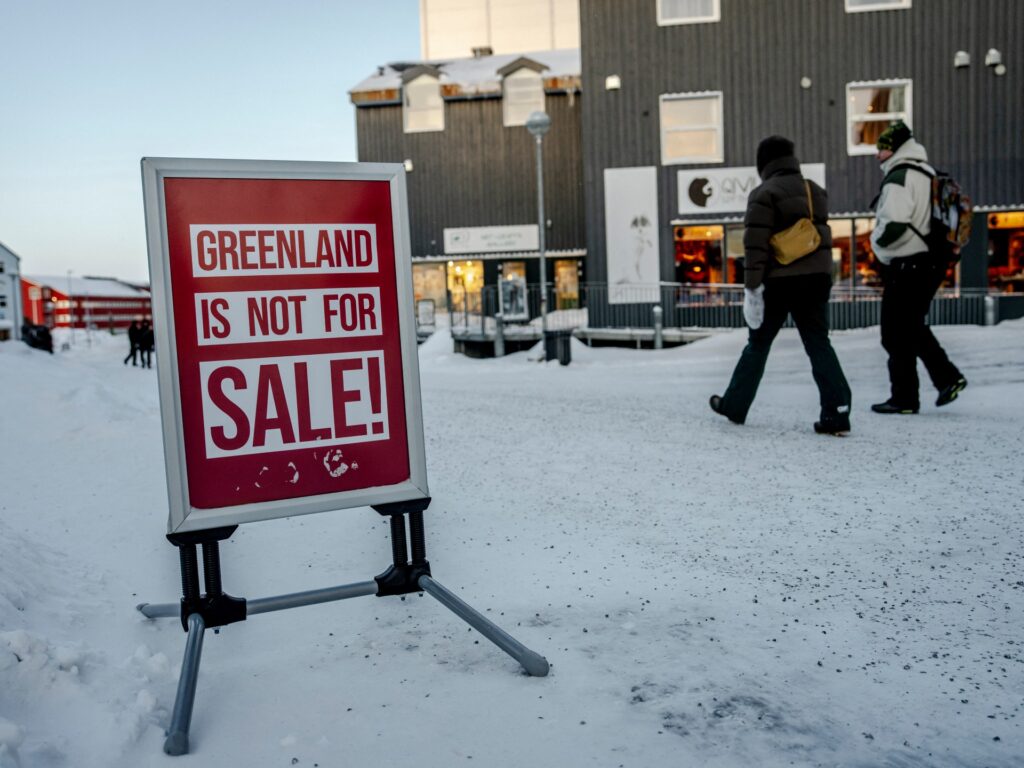
Greenland, an autonomous territory within the Kingdom of Denmark, has attracted international interest for its significant mineral and energy resources, as well as its strategic location in the Arctic. The Trump administration previously expressed interest in purchasing Greenland, a proposal met with resistance from Danish authorities and the Greenlandic government.
The announcement of a new framework could suggest a pivot towards cooperation or a different approach to engaging with Greenland and the Arctic region. However, the lack of transparency and details leaves many questions about the motivations and implications of such a deal.
The global community will be watching closely as more information emerges. Analysts suggest that any accords involving Greenland will be critically important given the region’s potential influence on geopolitical dynamics, environmental issues, and resource management in the coming decades.
In the meantime, officials from the U.S., Denmark, Greenland, and the Netherlands will likely be working behind the scenes to clarify the nature and details of this framework agreement. Further announcements may shed light on the potential impact and scope of the deal, but for now, much remains speculative.