Bangladesh is entering a pivotal phase in its political journey as campaigning has officially begun for the upcoming parliamentary election scheduled for February 12. This election marks a significant moment in the country’s history as it is the first major democratic exercise following the ouster of Sheikh Hasina, who had led the nation for over a decade.
The political landscape in Bangladesh is charged with anticipation and uncertainty, as various parties prepare to contest fiercely for power in what is viewed as a crucial test of the nation’s democratic fabric. Hasina’s removal from office has left a political vacuum and raised questions about the future direction of the country.
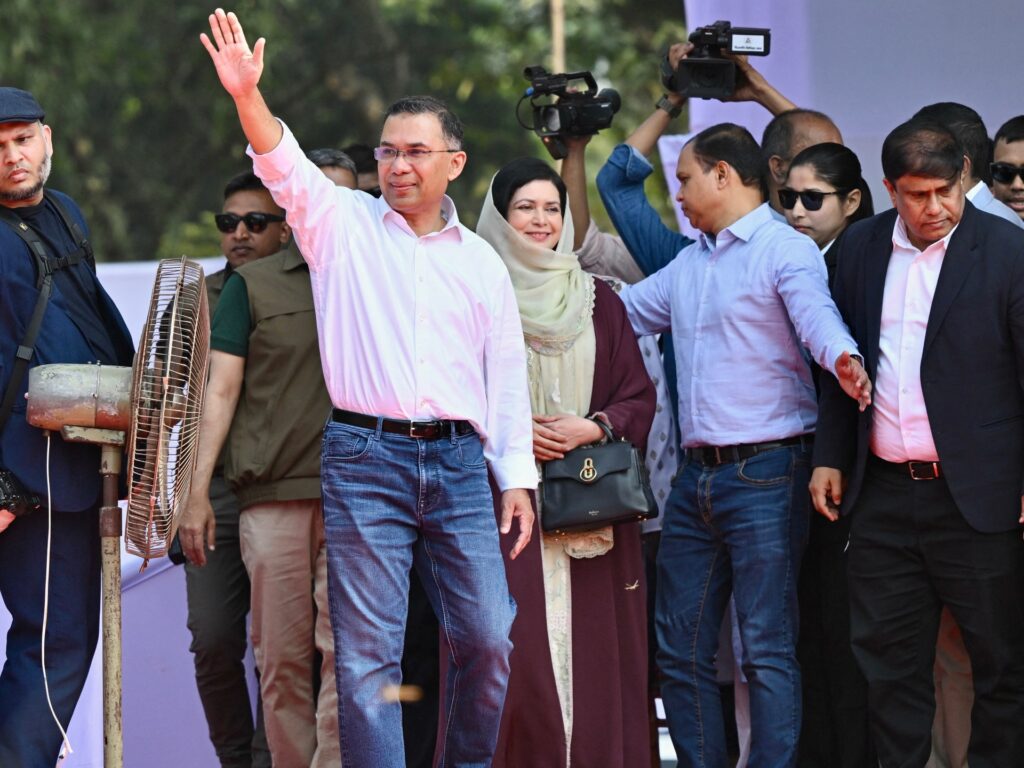
Political analysts and international observers are closely monitoring the election process, considering it a litmus test for democratic resilience in Bangladesh. The campaign period is marked by intense political activity, with parties conducting rallies, door-to-door campaigns, and engaging with a politically aware and vibrant electorate.
Bangladesh’s democracy, established through decades of political struggle, faces significant challenges as it navigates through this transition. The election outcome is expected to influence not only domestic politics but also Bangladesh’s relations with regional neighbors and the international community.
Sheikh Hasina’s administration was noted for economic growth and infrastructure development, but also faced criticism over governance issues and political freedoms. Her ouster has led to a reconfiguration of political forces, with new alliances forming and opposition groups seeking to capitalize on the change.
The February 12 election is crucial for establishing the legitimacy of the new government and restoring confidence among citizens and investors alike. It also stands as a barometer for the rule of law, electoral fairness, and freedom of expression – key pillars that will determine the trajectory of Bangladesh’s democracy moving forward.
Voters are mobilizing in large numbers, reflecting a high level of political engagement across different demographic groups. The election commission has pledged to ensure a transparent and fair voting process, amidst concerns about potential violence and electoral malpractices.
International bodies and democracy advocates have called for peaceful elections and the need for all political stakeholders to commit to democratic norms and respect the constitutional process. The coming weeks will be decisive in shaping Bangladesh’s political future and its ongoing journey towards democratic governance.
As campaigning intensifies, the eyes of the world remain on Bangladesh, hopeful that the election will not only reflect the will of the people but also reinforce democratic stability in the South Asian region.