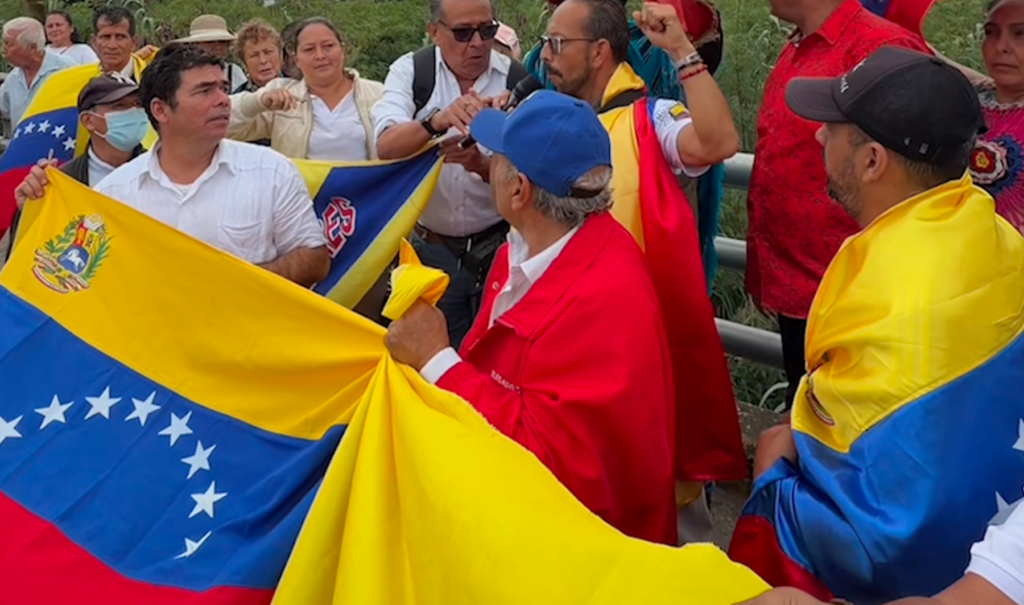
In recent years, the issue of United States interference in Venezuela has become a focal point of political debate both within the country and internationally. Venezuelans themselves have voiced a wide range of opinions regarding the influence and actions attributed to the US government. This article seeks to explore these perspectives to provide a comprehensive view of the situation.
Many Venezuelans express deep concerns about what they perceive as aggressive and unjust interference by the United States in their sovereign affairs. They argue that US sanctions, diplomatic pressure, and support for opposition groups have contributed to the country’s economic hardships and political instability. For these critics, the interference is seen as a violation of Venezuela’s sovereignty and a tool for regime change.
On the other hand, some Venezuelans view US involvement as a potential avenue for democratic restoration and human rights improvements. They believe that US pressure can help to push the Venezuelan government toward reforms and accountability. These supporters argue that without international attention and pressure, the ruling administration may continue with practices they find harmful or undemocratic.
There are also voices calling for caution and dialogue, emphasizing the need for Venezuelan solutions to Venezuelan problems without external domination. These individuals stress that while international support can be important, it should not come at the cost of national self-determination or lead to conflict escalation.
The impact of US actions is felt across social sectors, with varied effects on everyday life. For many citizens, economic sanctions have led to shortages of essential goods and increased hardship, fueling frustration and resentment toward external actors. Conversely, some see the spotlight on Venezuela’s crisis as crucial to mobilize aid and international cooperation.
Political analysts and experts within Venezuela point out that US interference is a complex issue involving geopolitical strategies, regional alliances, and economic interests. They caution that the narrative around interference is often polarized, fueling divisions within Venezuelan society.
In public discourse, Venezuelan media and social networks reflect a spectrum of opinions ranging from outright condemnation of US policies to calls for engagement and diplomacy. The variety of views underscores the complexity of the Venezuelan crisis and the diverse aspirations of its people.
The international community continues to monitor the situation closely, with several countries expressing positions either in support of Venezuela’s sovereignty against interference or advocating for measures to promote democratic processes.
Ultimately, Venezuelans are at the heart of this debate, seeking peace, stability, and prosperity. Their voices highlight the importance of respect for sovereignty, the search for political solutions, and the challenges posed by external influences in a troubled nation.