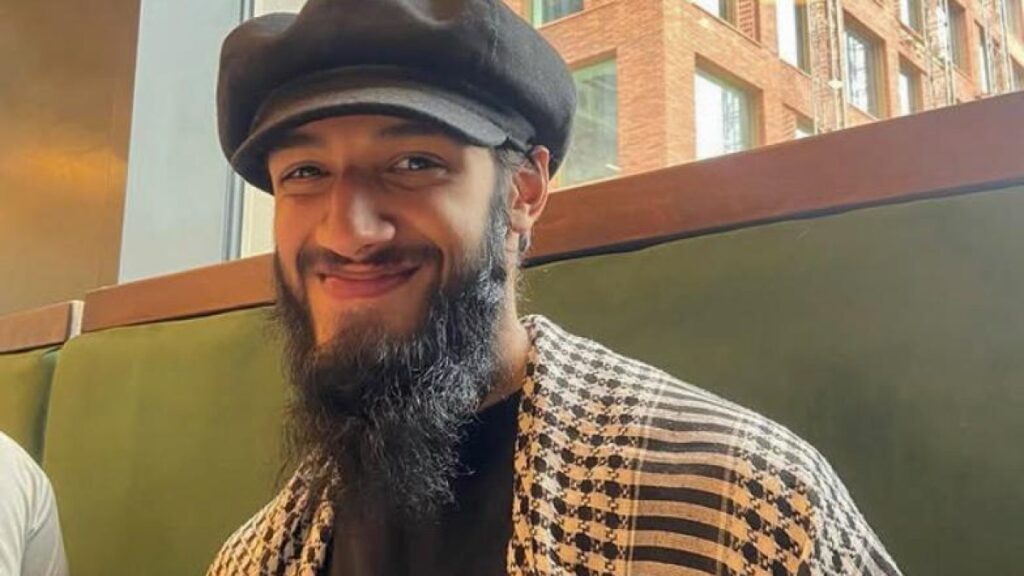
Umer Khalid, a remand prisoner linked to Palestine Action, has intensified his hunger strike by announcing that he will begin refusing water as part of his protest. Khalid’s hunger strike is a form of resistance aimed at drawing attention to the plight of Palestinians and pressing the UK government to respond to his demands.
Khalid, who is being held in remand, has called on the UK authorities to engage seriously with the issues raised by his protest. His demands focus on increasing awareness and action concerning the treatment of Palestinians and broader geopolitical concerns related to Palestine.
The activist’s decision to escalate his hunger strike by refusing water represents a significant health risk and adds urgency to his call for dialogue. Hunger strikes are a well-known method of non-violent protest whereby the individual refuses food—and in some cases water—to press authorities to meet their demands.
Palestine Action is a grassroots militant group that campaigns against British military involvement in Israel and supports Palestinian rights. Khalid’s association with this group and his current protest underscore the ongoing tensions and activism surrounding the Palestinian cause in the UK.
The UK government has yet to publicly respond to Khalid’s hunger strike and the broader demands he is putting forth. Human rights organizations often monitor such cases to advocate for proper treatment of detainees and respect for peaceful protest rights.
Historically, hunger strikes have gained attention for their powerful symbolism and the personal sacrifice involved. Activists like Khalid hope to leverage this dramatic form of resistance to invoke international scrutiny and policy change.
Khalid’s protest raises serious ethical and humanitarian questions about detention practices, political expression, and the responsibility of governments to address human rights concerns.
Supporters of Khalid and the Palestinian cause continue to amplify his message through social media and organized demonstrations, calling on the UK and other international actors to intervene.
The unfolding situation of Khalid’s hunger strike will likely bring heightened media coverage and political debate about the UK’s role in the Israeli-Palestinian conflict, detainee rights, and activist strategies.
As Khalid refuses water, medical professionals warn of rapid deterioration in his health, increasing the urgency for a resolution that addresses his demands while safeguarding his wellbeing.
The case also highlights the broader context of political imprisonment, activism, and state responses that shape the experiences of detainees linked to contentious geopolitical issues.
Advocates emphasize the importance of dialogue and negotiation to resolve such protests peacefully, urging the government to acknowledge the grievances behind Khalid’s actions.
The protest exemplifies the lengths to which activists will go to draw international attention to their causes, demonstrating both the desperation and determination fueling such movements.
As events progress, stakeholders including human rights groups, legal experts, and political figures will likely weigh in on the implications of hunger strikes as a form of protest within the UK justice system.
Umer Khalid’s hunger strike serves as a potent reminder of the ongoing struggles linked to Palestine and the complexities surrounding activism, incarceration, and political resistance in a global context.