Japan is set to restart the world’s largest nuclear power plant, the Kashiwazaki-Kariwa plant, after a 15-year shutdown. This decision marks a significant development in Japan’s energy policy, as the country seeks to balance its energy demands with safety concerns following the Fukushima disaster in 2011. The Kashiwazaki-Kariwa plant, located in Niigata Prefecture, had been offline for over a decade due to stringent safety reviews and regulatory hurdles.
The decision to bring the plant back online comes amid ongoing debates about nuclear energy’s role in Japan’s future energy mix. Advocates highlight the plant’s capacity to provide a substantial amount of low-carbon energy, crucial for Japan’s ambitions to reduce greenhouse gas emissions. With seven reactors, Kashiwazaki-Kariwa is the most powerful nuclear facility globally, capable of producing around 8.2 gigawatts of electricity.
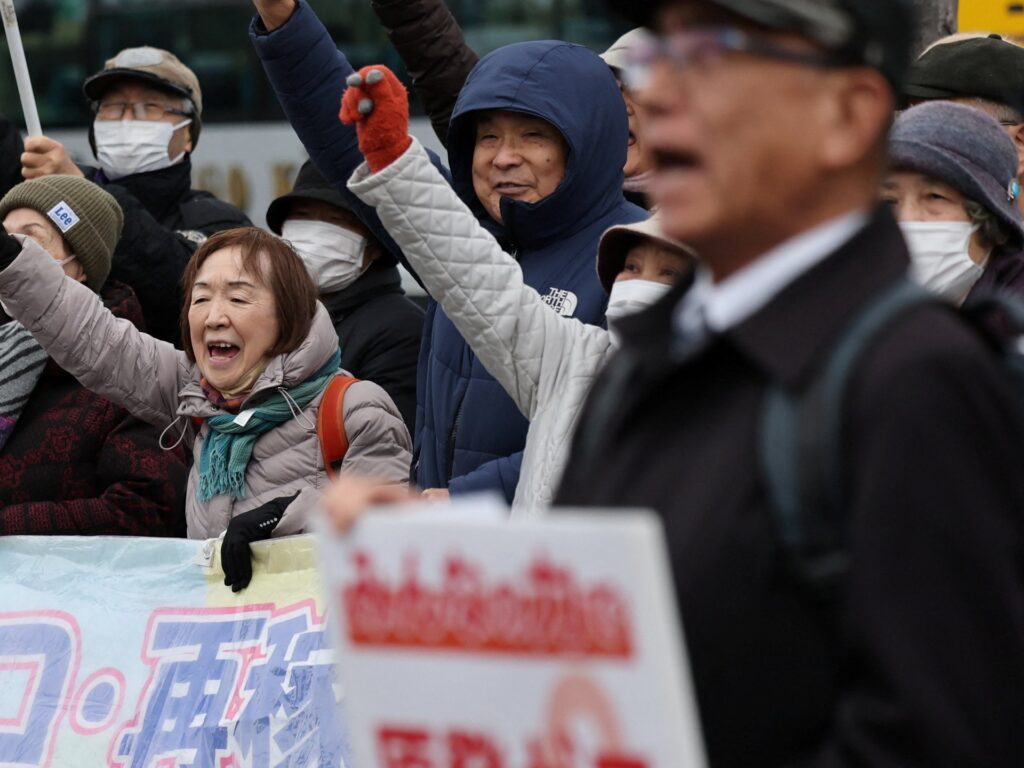
However, this move has sparked significant public concern and opposition. A petition signed by approximately 40,000 people has been submitted, expressing fears about the risk of seismic activity near the plant. The region is known for its earthquake activity, and opponents argue that restarting the plant could pose severe risks to public safety.
Japan’s nuclear regulatory authorities have conducted thorough safety assessments to address these concerns. The plant has undergone extensive upgrades and improvements to withstand earthquakes and other natural disasters. Despite these measures, skepticism remains among local residents and environmental groups.
The restarting of the Kashiwazaki-Kariwa plant reflects a complex interplay between energy security, environmental responsibility, and public safety. Japan relies heavily on imported fossil fuels, which makes nuclear energy a key component of its strategy to achieve energy independence and reduce carbon emissions.
The government maintains that stringent safety standards and technological advancements have made the plant safer than ever before. Yet, with memories of the 2011 Fukushima nuclear disaster still vivid, public trust remains fragile. The debate continues as Japan moves forward with nuclear energy, balancing the benefits of clean energy against the risks inherent in operating a nuclear facility in a seismically active zone.
In conclusion, the restart of the Kashiwazaki-Kariwa nuclear plant after 15 years highlights Japan’s ongoing struggle to ensure energy security while addressing environmental and safety concerns. The outcome of this decision will have lasting implications for Japan’s energy policy, public safety, and the global conversation on the future of nuclear power.