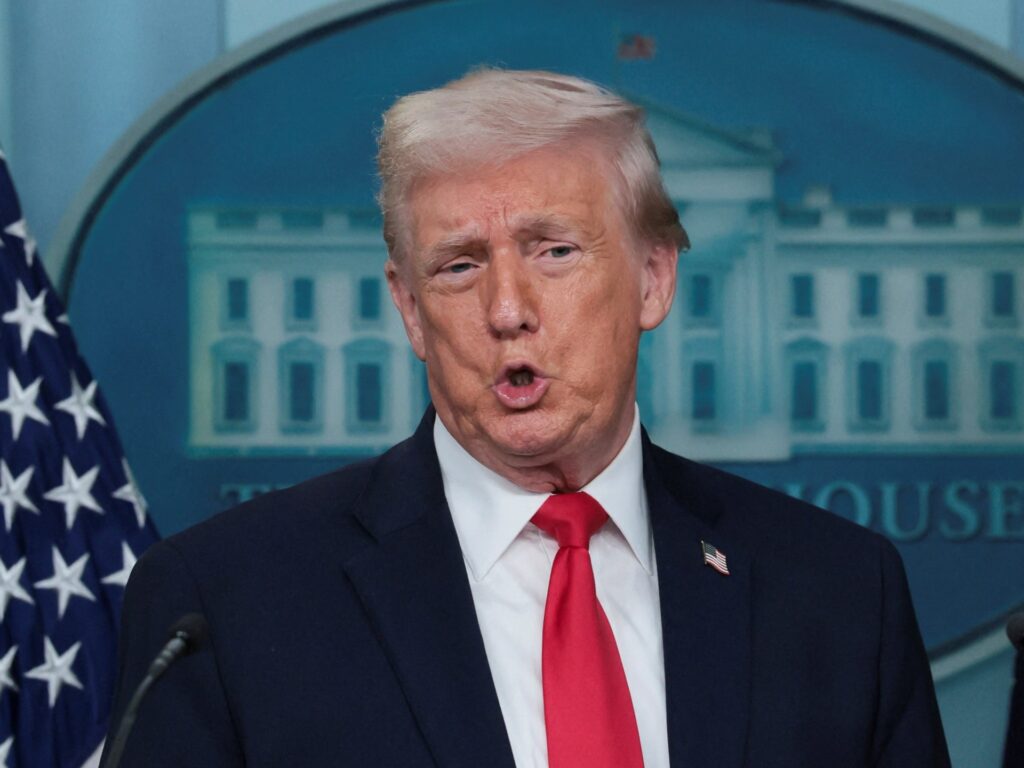
In a recent and highly contentious statement, former U.S. President Donald Trump declared that “Somalia is not even a country,” sparking widespread debate and criticism. During an anti-immigrant rant, Trump asserted that Somalia lacks fundamental elements that define a sovereign nation. “They don’t have anything that resembles a country,” he said, casting doubt on Somalia’s legitimacy as a nation-state.
Somalia, located in the Horn of Africa, has a complex and tumultuous history, including decades of civil conflict, governance challenges, and humanitarian crises. Despite these struggles, Somalia is internationally recognized as a sovereign country with an established government, membership in the United Nations, and diplomatic relations worldwide.
Trump’s comments come amid broader discussions on immigration policy, particularly focusing on African nations and their immigrant populations in the United States. His remarks have provoked outrage from Somali communities, diplomats, and immigration advocates who emphasize Somalia’s rich culture, resilience, and strides toward political stabilization.
Critics argue that Trump’s statement reflects a misunderstanding or deliberate dismissal of Somalia’s status and ongoing efforts to rebuild after years of turmoil. They caution that such rhetoric can fuel xenophobia, misinformation, and stigmatization of immigrants from countries with complex socio-political histories.
Supporters of Trump’s stance contend that his remarks highlight concerns about immigration from countries they perceive as unstable or unsafe. They argue that U.S. immigration policies should prioritize national security and economic stability.
International experts underscore that Somalia, despite its challenges, functions under a federal government and has made progress in areas such as counterterrorism and economic development. They point out that labeling a recognized country as non-existent undermines diplomatic relations and global cooperation.
The controversy also reignites discussions about the role of rhetoric in shaping public opinion on immigration and foreign relations. Trump’s blunt language exemplifies a wider trend in political discourse that can polarize communities and impact diplomatic engagements.
As the debate unfolds, it remains essential to balance national security interests with respect for international norms and the dignity of all nations. Somalia’s identity as a country, its struggles, and achievements continue to be acknowledged by global institutions, contrasting sharply with the harsh characterization presented by Trump.
The incident serves as a reminder of the need for informed and respectful dialogue around immigration and international relations, particularly when addressing nations facing developmental and political hardships. It highlights the complexities involved in immigration conversations and the impact of leadership rhetoric on global perceptions.