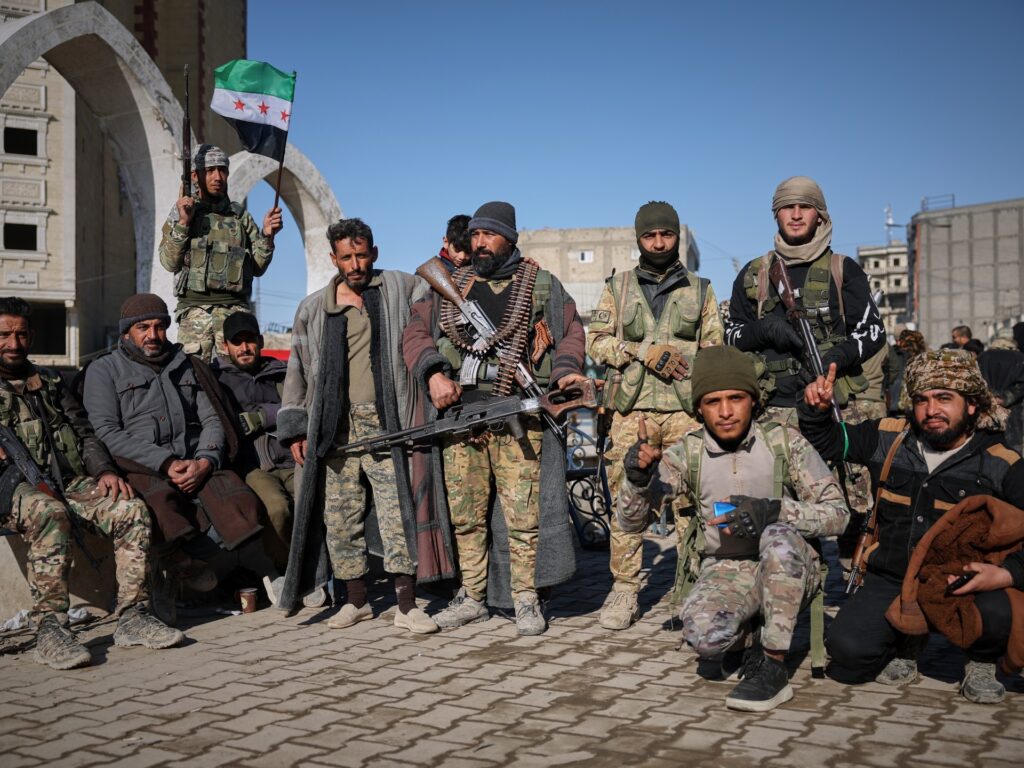
In the latest developments in the ongoing conflict in Syria, the Kurdish-led Syrian Democratic Forces (SDF) have reported successfully repelling two attacks by the Syrian army on the strategic town of Kobani. This latest clash has heightened concerns over the stability of the fragile ceasefire agreement, raising fears that the truce could be on the verge of collapse.
Kobani, a key location in northern Syria near the Turkish border, has long been a flashpoint in the Syrian conflict due to its strategic importance and the diverse forces vying for control. The SDF’s statement highlights the tenuous nature of peace efforts in the region, where ceasefire agreements have frequently been violated by various factions.
The Syrian army’s attempts to regain control over Kobani mark a significant escalation, potentially undermining recent diplomatic efforts to reduce hostilities. The SDF, which has been a principal force in battling extremist groups in Syria and securing territories in the northeast, emphasized their readiness to defend Kobani against further aggression.
The reported attacks came as the ceasefire, brokered by multiple international and regional players, was already showing signs of faltering. Multiple violations of the truce have been documented in different parts of Syria, complicating humanitarian efforts and prolonging the conflict.
Analysts warn that the breakdown of the ceasefire could lead to intensified military confrontations, further destabilizing the region. This could also exacerbate the humanitarian crisis by displacing more civilians and interrupting vital aid deliveries.
Diplomatic channels remain active as stakeholders urge restraint and renewed commitment to peace talks. The international community continues to call for adherence to ceasefire agreements to prevent further escalation and to pave the way for a sustainable political resolution.
As the situation develops, the news of the SDF repelling attacks on Kobani stirs both hope and concern. While it demonstrates the resilience of local forces, it also underscores the fragility of the current peace framework in Syria, where each violent incident threatens to unravel months of negotiation and fragile calm.
Observers and humanitarian organizations are closely monitoring the region for signs of increased violence and are urging all parties to prioritize civilian safety and stability. The coming days are critical in determining whether the ceasefire can hold or if Syria will plunge into more intense conflict, complicating efforts toward lasting peace in the war-torn country.