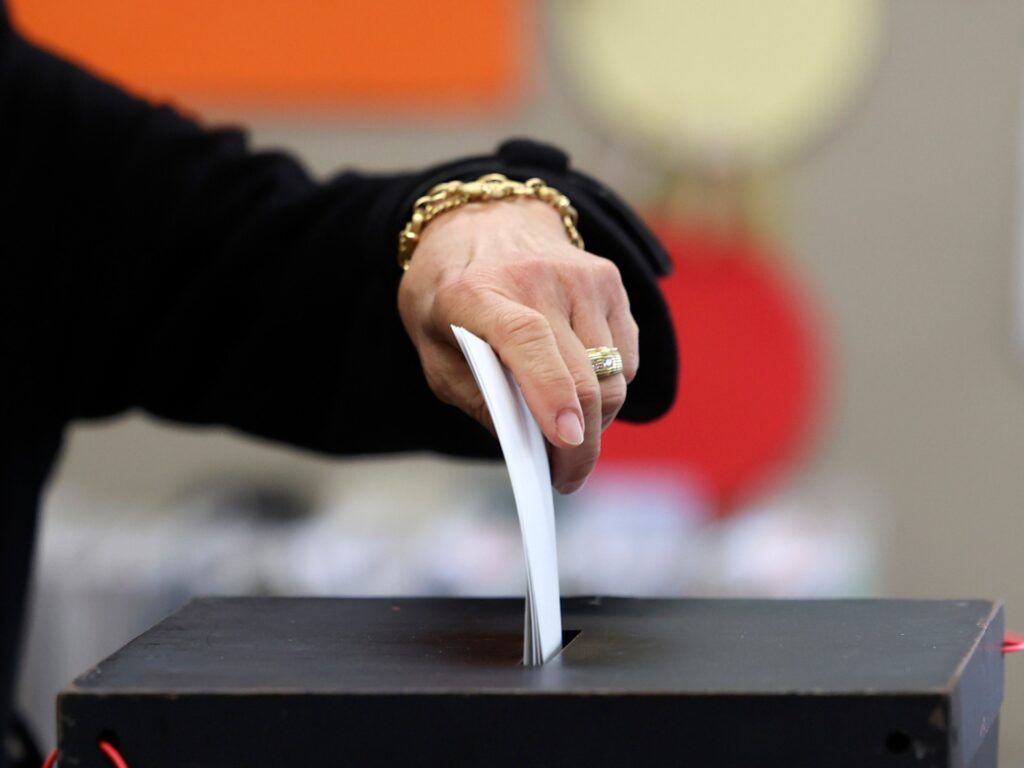
In the latest exit polls for Portugal’s presidential election, the Socialist candidate has taken the lead, signaling strong voter support for left-leaning policies in the country. This development marks a significant position for the Socialist Party as it demonstrates continued influence in the nation’s political landscape.
Meanwhile, Andre Ventura, a prominent figure from the far-right spectrum and leader of the second-largest party in the Portuguese parliament, has secured the second place according to the exit polls. Ventura had been considered a frontrunner before the vote, reflecting the growing presence and resonance of far-right ideologies among certain segments of the Portuguese electorate.
Ventura’s political journey has been characterized by his party’s aggressive stance on immigration, national identity, and economic reform, which have sparked significant debate across the country and among international observers.
The election’s outcome demonstrates the dynamic and polarized nature of Portugal’s political climate. With the Socialist candidate leading, it suggests a preference among voters for continuity in policies that promote social equality and welfare reforms.
However, Ventura’s strong performance cannot be overlooked. It underscores a shift in political currents, where nationalist and conservative themes have gained momentum, challenging the traditional centrist and leftist establishment.
Observers note that this election serves as a barometer for broader European trends, where far-right parties have made inroads amid economic uncertainties and cultural anxieties.
The final results, expected in the coming days, will determine not only the presidency but could also shape Portugal’s policy direction on key issues like immigration, healthcare, and economic strategy.
Political analysts anticipate a potential runoff if no candidate secures an outright majority, which would further intensify the political contest.
Campaign strategies, voter turnout, and post-election alliances are likely to be crucial factors influencing the final phase of the election.
Public reaction so far has been mixed, with celebrations among Socialist supporters and cautious optimism among those backing Ventura.
This election cycle has highlighted the importance of addressing socio-economic disparities, national unity, and Portugal’s role within the European Union.
As the nation awaits official confirmation, the focus remains on how the elected president will navigate the complexities of governance amidst diverse political expectations.
The leadership outcome will have implications beyond national borders, especially in how Portugal interacts with the EU and addresses global challenges such as migration and climate change.
In summary, the current exit poll results indicate a contested and potentially transformative presidential election in Portugal, reflecting the country’s evolving political landscape and societal divisions.