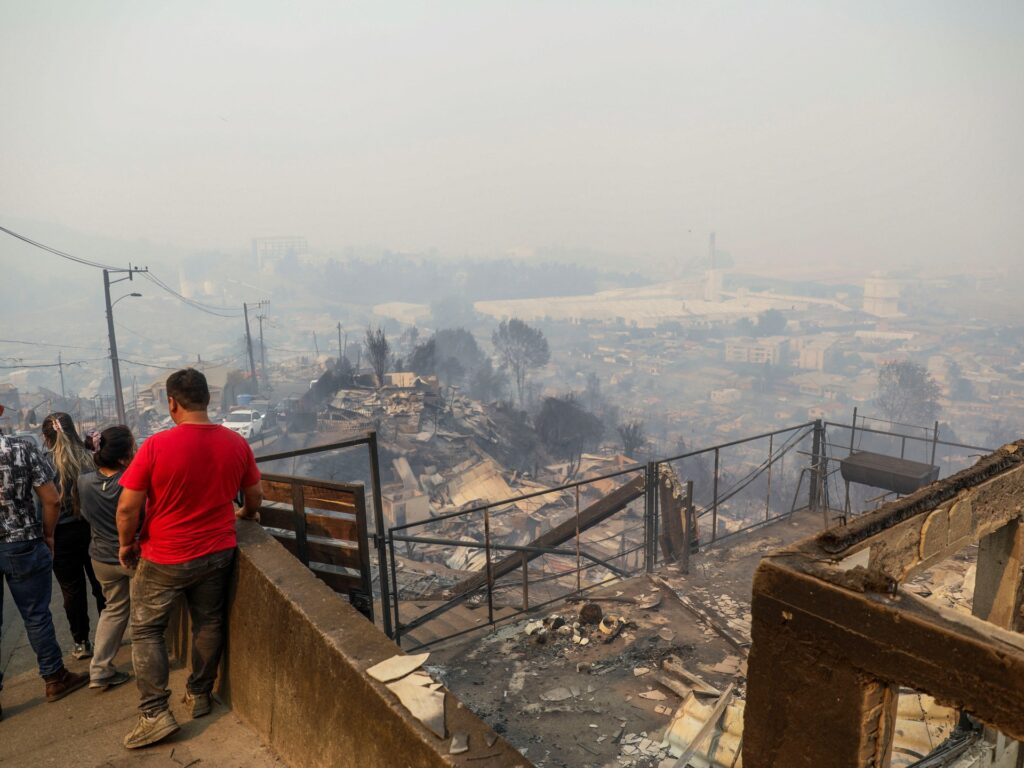
The tragic forest fires in southern Chile have escalated, with the death toll now reaching 16. Chilean President Gabriel Boric has declared a state of emergency in two of the most affected southern regions to tackle the crisis.
The blazes have swept through vast areas of forest, destroying homes, displacing families, and threatening local communities. The intensity of the fires has made containment extremely challenging, with firefighters and emergency services working around the clock to control the spread.
President Boric’s announcement aims to mobilize additional resources and personnel to combat the fires and support affected residents. The state of emergency grants authorities greater powers to deploy aid, enforce evacuations, and coordinate efforts among various government agencies.
Environmental experts warn that the fires have severely damaged the local ecosystem, with long-term impacts on biodiversity and forest regeneration. Climate change and prolonged drought conditions have been cited as contributing factors exacerbating the fire risk in the region.
The Chilean government is also calling for international assistance to help manage the disaster. Several countries and organizations have expressed solidarity and offered support, including firefighting equipment and humanitarian aid.
Local communities are bearing the brunt of the crisis, with many residents forced to evacuate their homes. Emergency shelters have been set up to provide temporary refuge, food, and medical care. Volunteers and local authorities are working together to ensure the safety and basic needs of those affected.
The incident highlights the increasing vulnerability of Chile and other regions in South America to wildfires, especially amid changing climate patterns. It underscores the importance of improved forest management, emergency preparedness, and climate action initiatives.
Authorities continue to monitor weather conditions closely, as forecasts predict that dry and windy weather could fuel the fires further. Efforts to contain the blazes remain ongoing, and officials urge the public to remain vigilant and follow safety instructions.
The Chilean Forest Service and other agencies have launched investigations into the possible causes of the fires. Initial reports suggest that both natural factors and human activities may have played a role.
As the situation develops, the Chilean government is committed to rebuilding affected areas and supporting impacted families. National and regional leaders have expressed condolences to the victims and solidarity with those affected by the disaster.
This tragic event serves as a sobering reminder of the dangers posed by wildfires and the critical need for coordinated responses to protect lives, property, and the environment.