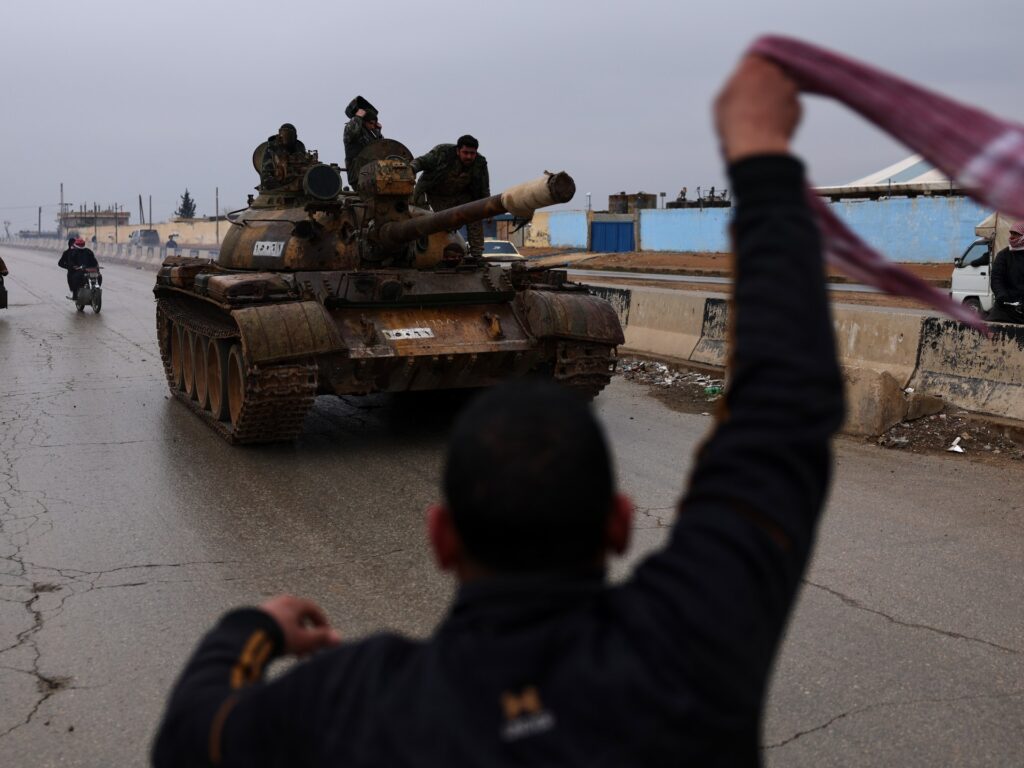
The Syrian army has made significant advances in the eastern Aleppo region, taking control of numerous towns and villages as Kurdish fighters withdraw from the area. According to military sources, the Syrian army has seized 34 villages and towns, marking a substantial territorial gain in this strategically important region.
This development is part of ongoing military operations aimed at consolidating control over eastern Aleppo. The withdrawal of Kurdish fighters from these locations has allowed the Syrian army to swiftly secure these areas without prolonged conflict.
East Aleppo has been a contested region for years, with various factions vying for control. The recent takeover by the Syrian government forces represents a shift in the balance of power, potentially altering the dynamics of future engagements in the area.
The strategic importance of these towns stems from their location, serving as critical hubs for transportation and supply lines for forces operating in the region. Control over these territories enhances the Syrian army’s ability to project power and secure vital routes.
While the military’s statement highlights the successful seizure of these areas, details on the circumstances surrounding the Kurdish fighters’ withdrawal remain limited. It is unclear whether the withdrawal was a tactical retreat, part of a negotiated arrangement, or due to other operational considerations.
The seizure of 34 villages and towns also raises questions about the humanitarian situation. Eastern Aleppo has experienced significant displacement and conflict-related hardships. The change in control could impact local populations, humanitarian access, and the delivery of aid.
Observers note that the Syrian government’s advances may also influence the broader geopolitical landscape, involving regional and international stakeholders with vested interests in Syria’s future.
The retreat of Kurdish fighters might affect their strategic positioning and influence within northern Syria. The Kurdish forces have been key players in the fight against extremist groups and have sought greater autonomy in the region.
With the Syrian army strengthening its hold over eastern Aleppo, the prospects for stability and governance in the region could shift. However, challenges such as rebuilding infrastructure, addressing security concerns, and managing diverse local communities remain pressing.
The ongoing military operations underscore the complexity of the Syrian conflict, where alliances and control over territory continue to evolve rapidly.
International actors watching these developments may adjust their policies and engagement based on the new realities on the ground.
In summary, the Syrian army’s takeover of 34 towns and villages in east Aleppo signifies a notable territorial gain amidst Kurdish withdrawals. The strategic, humanitarian, and geopolitical implications of this advance will likely influence the future trajectory of the Syrian conflict and regional stability.