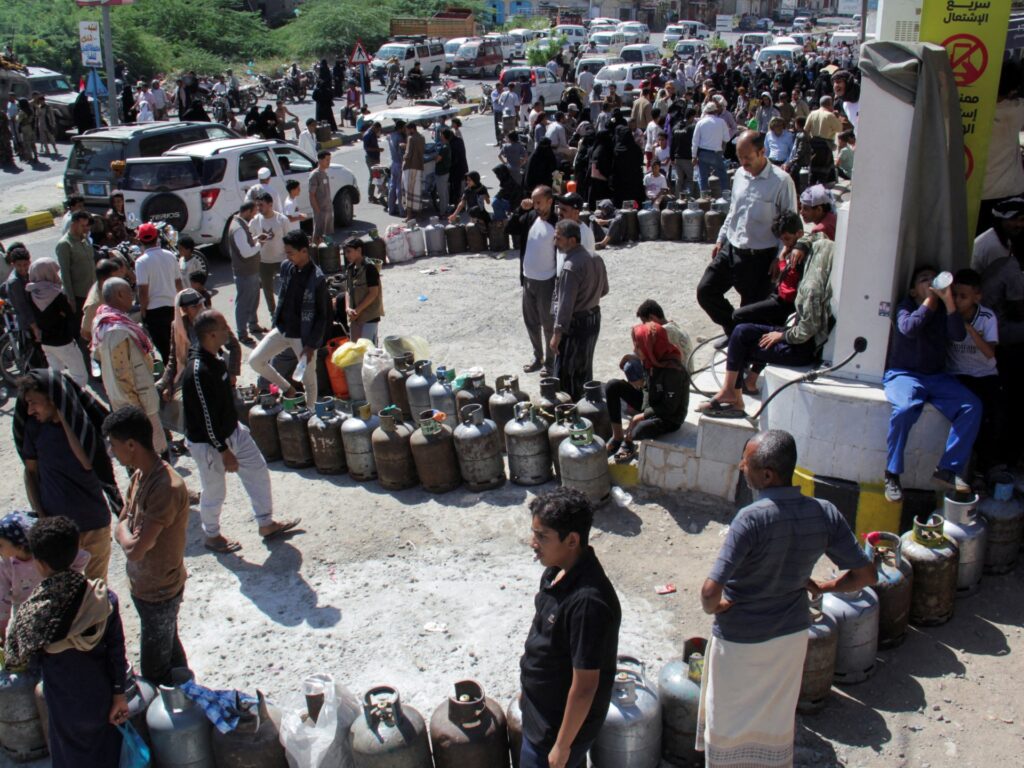
The humanitarian situation in Yemen continues to deteriorate as the United Nations High Commissioner for Refugees (UNHCR) reports that more than 250,000 people have been displaced since fighting escalated across the country. This alarming increase in displacement reflects the intensifying conflict that is impacting millions of lives and exacerbating an already dire crisis.
According to UNHCR, the greatest displacement has occurred in regions where clashes between warring parties have intensified, forcing families to flee their homes in search of safety. The sudden surge in internally displaced persons (IDPs) puts immense pressure on host communities and humanitarian organizations striving to provide relief and essential services.
In a related concern, the United Nations International Children’s Emergency Fund (UNICEF) has highlighted the escalating violence in the city of Taiz, one of Yemen’s largest population centers. The ongoing fighting is severely threatening the city’s water infrastructure, which is critically important for more than three million residents.
UNICEF officials caution that damage to water systems could lead to significant health risks, including the spread of waterborne diseases, as access to clean water becomes increasingly limited. The disruption of water supply services poses a dire threat to the well-being of vulnerable populations, especially children, who are disproportionately affected by such crises.
The compounded impact of displacement and vital infrastructure damage hampers the delivery of humanitarian aid and complicates efforts to protect those affected by the conflict. Humanitarian agencies are calling for immediate ceasefire agreements and unrestricted access to deliver life-saving assistance to those in need.
The conflict’s escalation has not only uprooted families but also jeopardized critical urban systems that sustain daily life. The risk to Yemen’s water infrastructure in Taiz is a stark reminder of the broader consequences of prolonged warfare on civilian livelihoods and public health.
Efforts are underway by international organizations to address humanitarian needs, but the volatile security situation hampers these responses. Peace talks and diplomatic interventions remain vital to halting the violence and enabling a durable solution to the displacement crisis.
As more communities continue to face forced displacement, the humanitarian community stresses the urgency of support from the international community. Increased funding, logistical aid, and political commitment are essential to alleviating the suffering of those displaced and preventing further deterioration of critical infrastructure like water systems.
The UNHCR and UNICEF reports shed light on the twin crises facing Yemen—mass displacement and the destruction of essential services—and call on all parties involved in the conflict to prioritize the protection of civilians and facilitate humanitarian access. Without swift action, the consequences could be catastrophic for millions of Yemenis who depend on basic services amidst ongoing conflict.
In summary, the Yemen crisis reveals a complex emergency where escalating violence displaces hundreds of thousands and threatens vital lifelines such as water infrastructure. The international community’s response in the coming weeks will be crucial in shaping the humanitarian and political future of the country.