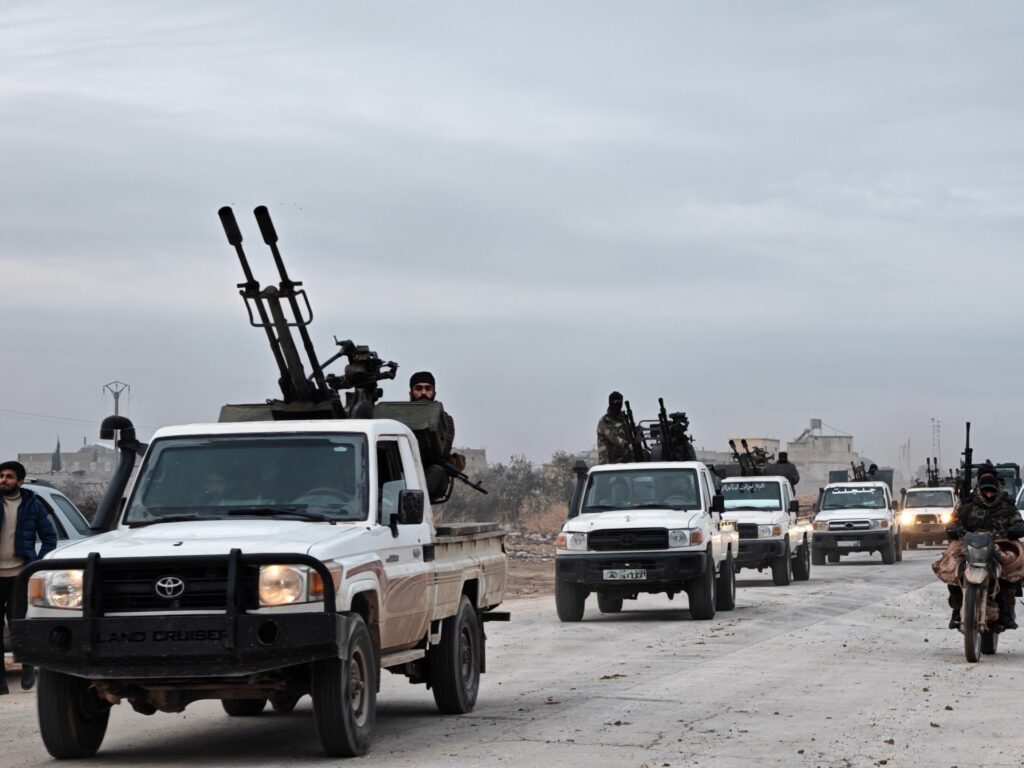
In a significant development in the ongoing conflict in Syria, the Syrian Army has taken full control of the city of Deir Hafer. This move marks a crucial victory as the Syrian Democratic Forces (SDF) have reportedly withdrawn from the area. The army’s successful capture of Deir Hafer is seen as a strategic gain, potentially altering control dynamics in the region.
Following the takeover, the Syrian Army announced that its forces are actively engaged in clearing the city of mines and other hazardous remnants of war. This clearance operation is vital to ensure the safety of civilians and to restore peace and normalcy in the area.
Deir Hafer, located in the Aleppo Governorate, has been a contested zone due to its strategic location. Control over this city allows for enhanced security and facilitates further military and civil operations in northern Syria. The withdrawal of the SDF from Deir Hafer indicates a shift in territorial control, reflecting the fluid and complex nature of the Syrian conflict.
Despite the army’s efforts to stabilize the city, challenges remain. Mines and unexploded ordnance pose significant dangers to returning residents and rebuilding efforts. The Syrian Army’s demining activities are critical for preventing civilian casualties and enabling humanitarian assistance.
The situation in Deir Hafer is emblematic of the broader conflict in Syria, where various factions vie for control over key territories. The involvement of the Syrian government forces signifies their aim to reassert sovereignty over disputed areas. Meanwhile, the SDF’s withdrawal suggests a tactical recalibration amid ongoing military pressures.
Humanitarian organizations have expressed concern for the civilian population affected by the conflict, emphasizing the need for safe access to aid and reconstruction support. The clearing of mines and war remnants by the army is a step toward creating a safer environment that can facilitate humanitarian operations.
The capture of Deir Hafer may influence future military and political engagements in the region, with implications for stability and governance. Observers will be watching closely to see how the Syrian government consolidates control and addresses the needs of the local population.
As this situation develops, the Syrian Army’s actions highlight the challenges of post-conflict recovery in war-torn areas. The demining process is painstaking and requires resources, expertise, and time. It also underscores the ongoing security challenges faced by Syria even after territorial gains.
In summary, the Syrian Army’s control of Deir Hafer represents a notable shift in the local power landscape, with efforts underway to remove dangerous war remnants. This development is a critical step towards restoring order and safety in the area while reflecting the complex dynamics of Syria’s multifaceted conflict.