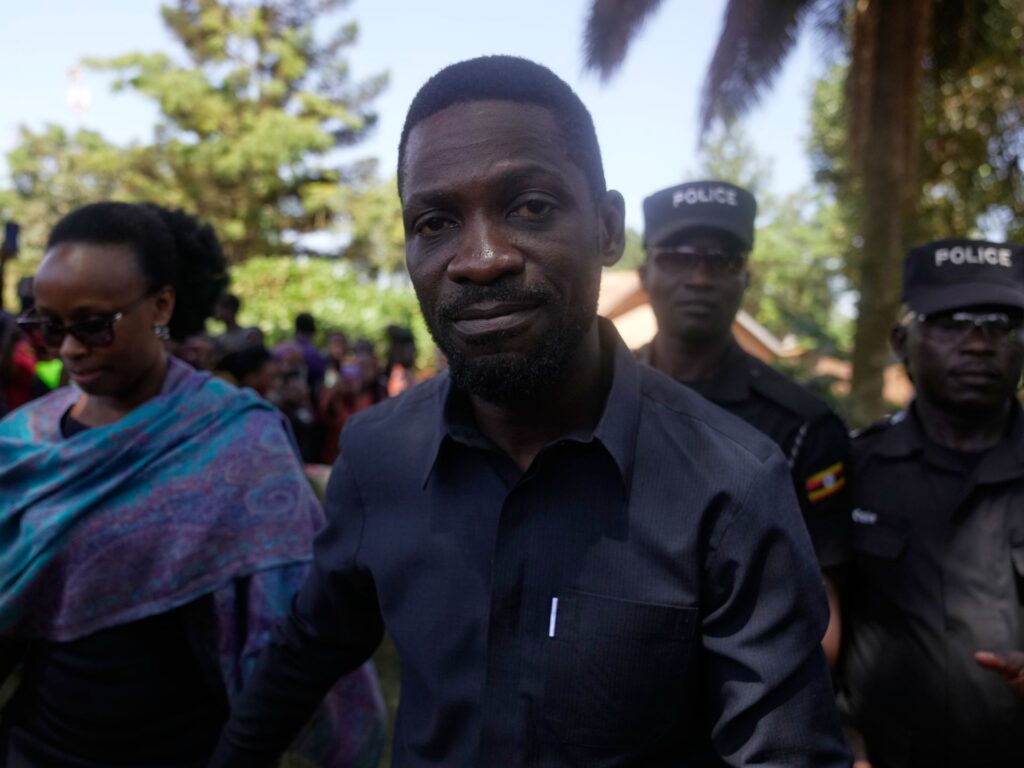
In the wake of Uganda’s recent presidential elections, tensions remain high as the National Unity Platform (NUP) has alleged that opposition presidential candidate Bobi Wine was forcibly taken from his home. This incident reportedly followed the announcement of election results, which have been a focal point of national dispute.
Bobi Wine, a prominent figure and leader of the NUP, has been a formidable challenger in the contest, drawing significant attention both locally and internationally for his stance against the incumbent government. According to the NUP, security forces arrived at Bobi Wine’s residence and abducted him, sparking fears and condemnation from supporters and human rights groups.
However, the Ugandan army has categorically denied these accusations. A spokesperson for the military released a statement asserting that the army had no involvement in any abduction or seizure of Bobi Wine. The statement emphasized that the military operates within the bounds of the law and respects the democratic process.
The election itself has been marked by allegations of irregularities, and the environment has been charged with political tension. International observers and local watchdogs have called for calm and transparency. Despite the denials, the claim of abduction adds to the uncertainty surrounding the electoral process and raises concerns about political freedom and human rights in Uganda.
Bobi Wine’s supporters have mobilized calls for his release, urging international intervention and highlighting the need for a fair and peaceful resolution to the election dispute. The opposition maintains that the electoral outcome does not reflect the will of the people and demands an independent investigation into the alleged abduction.
The government, meanwhile, insists that the election was free and fair, notwithstanding isolated incidents that are under investigation. The situation remains fluid, with developments closely monitored by both domestic and international actors.
The broader context of this controversy underscores the challenges facing Uganda’s democracy, particularly the balance between security and citizen rights in the aftermath of elections. The international community continues to advocate for respect for political processes and the safeguarding of all candidates’ rights to ensure a democratic future for Uganda.