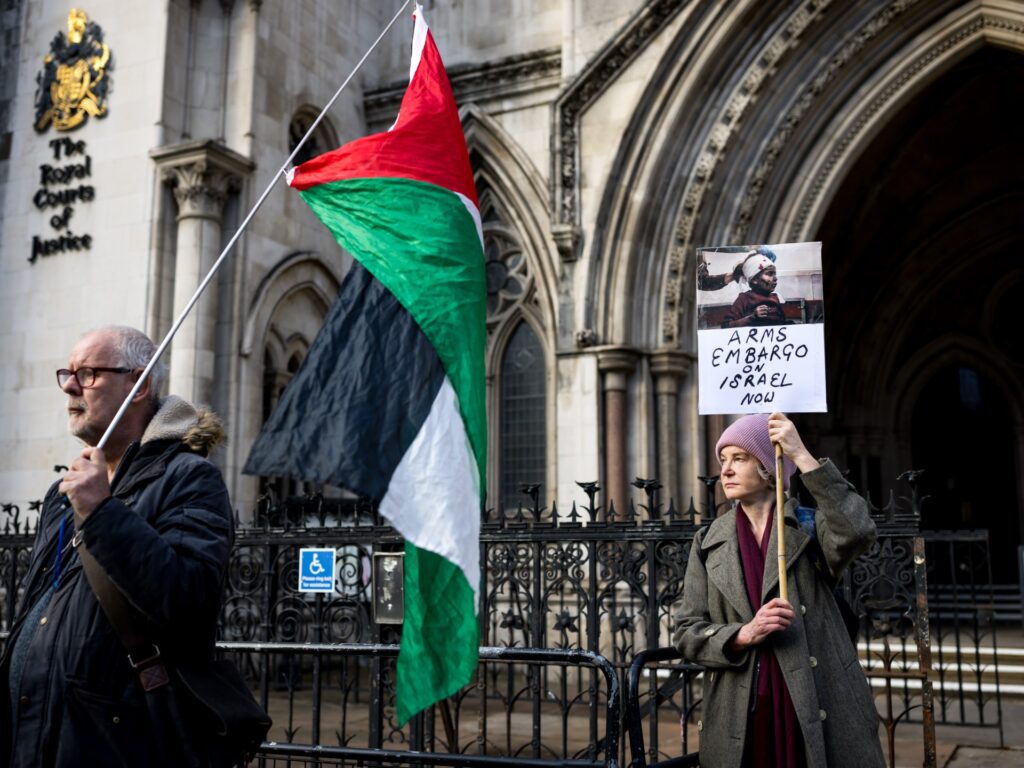
In a significant development within the realm of political activism and national security, five pro-Palestinian activists have formally pleaded not guilty to charges related to a break-in at a UK airbase. The charges levelled against the group pertain to damaging property with intentions deemed prejudicial to the interests or safety of the United Kingdom.
The incident has drawn widespread attention owing to the nature of the activism involved and the implications it has on security protocols at sensitive military installations. Details emerging from the court proceedings reveal that the activists were apprehended following their attempt to access and disrupt activities at the airbase as a form of protest against UK policies related to the Palestinian issue.
The activists faced accusations not merely of trespassing but of causing deliberate damage to property. The prosecution argues that these actions were not random acts of vandalism but strategically aimed to undermine the UK’s national security interests. The specific charges reflect the gravity with which such actions are viewed, particularly when they intersect with international political conflicts.
During the courtroom session, the five individuals collectively denied the charges, arguing their actions were a form of civil disobedience and symbolic protest rather than criminal activity intending harm. Their legal defense underscores a broader debate about the legitimacy and limits of protest, especially when touching on contentious geopolitical matters.
The airbase in question holds strategic importance, serving as a hub for military operations and intelligence efforts. Consequently, any breaches are treated with severe responses to deter similar acts and safeguard operational integrity. The case has sparked discussions about balancing security with civil liberties and the role of activism in democratic societies.
Observers note that this legal proceeding could set a precedent in handling protest-related offenses involving national security entities. It also highlights the growing tensions surrounding the Palestinian cause within the UK and beyond.
The trial is expected to delve deeper into the motivations behind the break-in, the extent of the damage caused, and the potential impact on military operations. The defense is likely to push for a nuanced understanding of political protest, while the prosecution will emphasize the protection of national security.
Public reactions have been mixed, with some expressing support for the activists’ cause and the moral underpinnings of their protest, while others stress the importance of upholding law and order, especially concerning sensitive defense establishments.
As the case unfolds, it continues to serve as a focal point for discussions on activism, security, and international solidarity movements. The verdict and subsequent legal interpretations will be closely watched by activists, legal experts, and policymakers alike.