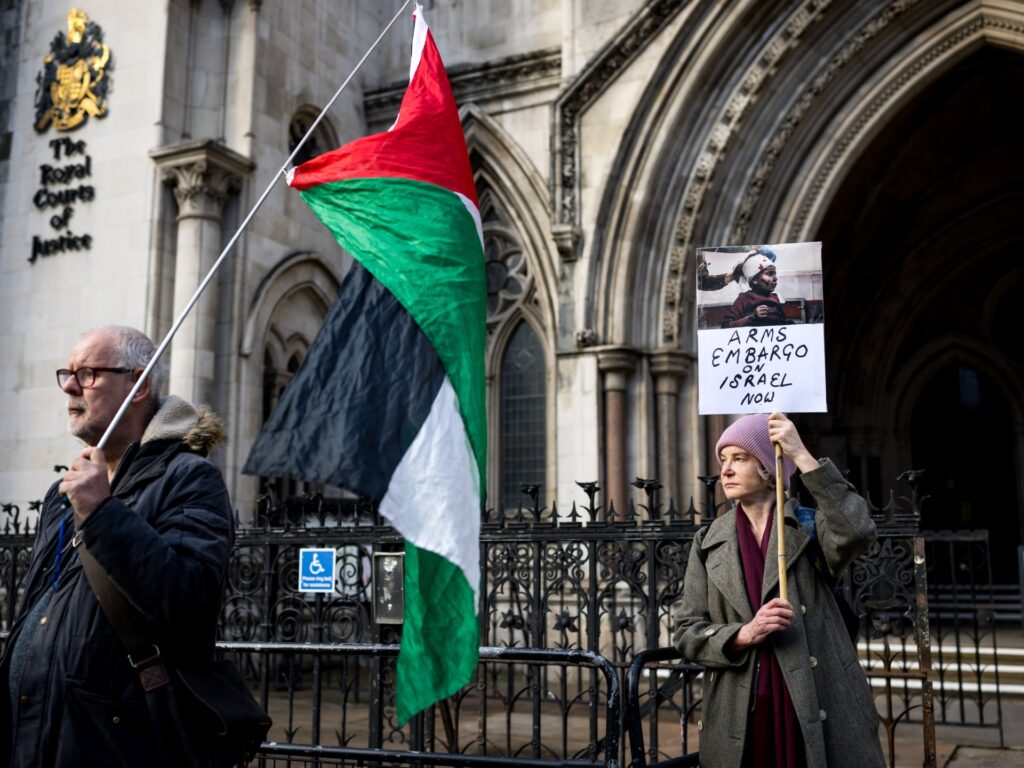
Five pro-Palestinian activists have pleaded not guilty to charges related to a break-in at a UK air base. The activists face allegations of damaging property with intent prejudicial to the interests or safety of the United Kingdom. This legal case has drawn attention to the ongoing global discourse surrounding the Israeli-Palestinian conflict, and the actions of those who advocate for Palestinian rights through activism. The group’s court plea signals their denial of wrongdoing despite the seriousness of the accusations. The incident reportedly involved unauthorized access to a military facility, highlighting tensions between national security and political protest. Legal proceedings are underway to determine the outcome of the charges. The activists’ defense is expected to focus on the motivations behind their actions, framing them within a context of political expression and civil disobedience. The case underscores the broader challenges faced by governments in balancing security concerns with freedom of speech and protest rights. Supporters of the activists argue that their actions were a form of peaceful protest against policies perceived to be unjust. Critics emphasize the importance of maintaining security at sensitive sites such as air bases. The trial has attracted media coverage and public interest due to the political implications involved. It raises questions about the limits of lawful protest and the state’s response to dissent. The defendants are represented by legal counsel specializing in human rights and political cases. The prosecution will likely present evidence to establish the activists’ intent and the extent of any damage caused. This incident is one of several in the UK where pro-Palestinian activism has intersected with legal boundaries. It reflects the ongoing contentious debate about how societies address controversial geopolitical issues within their own borders. Both sides of the case have called for a fair trial without prejudice. The legal process is expected to take several weeks, with possible appeals depending on the verdict. Meanwhile, advocacy groups continue to campaign for Palestinian rights through various peaceful means. The case may set precedents for how political activism targeting military or government sites is treated in the future. Public opinion remains divided, with some viewing the activists as defenders of human rights and others as threats to national security. The court’s decision will be closely watched as a marker of how such cases are adjudicated in the UK legal system. Overall, the plea of not guilty sets the stage for a complex legal and ethical examination of protest, property damage, and national safety concerns, highlighting the difficulties democracies face in managing activism on sensitive issues.